A new branch opens, a retail outlet moves, or an office adds another floor. The immediate request may be internet access, Wi-Fi, cameras, and phones. The larger requirement is multi site network infrastructure that gives every location reliable connectivity, consistent security, and a clear path to grow without rebuilding the foundation each time.
For operations and IT leaders, the real challenge is not buying hardware for several sites. It is creating an environment that works as one coordinated business system while still meeting the practical needs of each location. A headquarters, warehouse, classroom, and storefront rarely have the same traffic patterns, physical layout, or security risks. They should not be treated as identical projects.
What a Multi Site Network Infrastructure Should Deliver
A well-planned network gives users a familiar and dependable experience wherever they work. Staff should be able to access approved systems, communicate clearly, and connect authorized devices without relying on informal workarounds. IT teams should be able to identify issues quickly rather than sending someone onsite simply to determine whether a problem is caused by the internet provider, Wi-Fi coverage, cabling, or a failed device.
At the same time, every site needs appropriate separation. Guest Wi-Fi should not share access with business systems. CCTV cameras, access control readers, IP phones, point-of-sale devices, and employee workstations should not all operate on one unrestricted network. Network segmentation creates clearer boundaries, reduces the spread of a security incident, and makes troubleshooting more manageable.
The goal is consistency where it matters and flexibility where it is needed. Security policies, addressing standards, equipment labeling, and user access controls should follow a common approach. The hardware selection and coverage design may differ by site because the business environment differs.
Start With the Business Map, Not the Equipment List
The fastest way to create a fragmented environment is to order switches, access points, and firewalls before defining what each location must support. A practical design begins with the operational map: where people work, what services they use, which devices connect, and what happens if connectivity is unavailable.
For example, a multi-site retailer may need stable payment processing, inventory access, guest Wi-Fi, CCTV recording, and secure remote administration. A corporate office may place greater emphasis on video meetings, IP telephony, employee mobility, and secure access to cloud applications. An education environment may need broad wireless coverage for many simultaneous users, separate networks for staff and students, and controlled access to shared resources.
This assessment should also account for growth. If a site is likely to add cameras, desks, access readers, or wireless devices within two years, the cabling pathways, rack space, switch capacity, and power budget should allow for it. Spending slightly more on the right foundation is often less costly than interrupting business operations for a major retrofit later.
Assess the Physical Layer First
Network performance begins with the physical layer. Aging copper runs, poorly labeled patch panels, exposed cabling, inadequate containment, and undersized communications rooms create problems that software settings cannot solve.
Structured cabling should be planned for the building layout, device density, and future requirements. Fiber optic connections may be appropriate between floors, buildings, or distant network rooms where high capacity and longer runs are required. Clean termination, testing, documentation, and labeling matter because they shorten fault isolation when a service issue occurs.
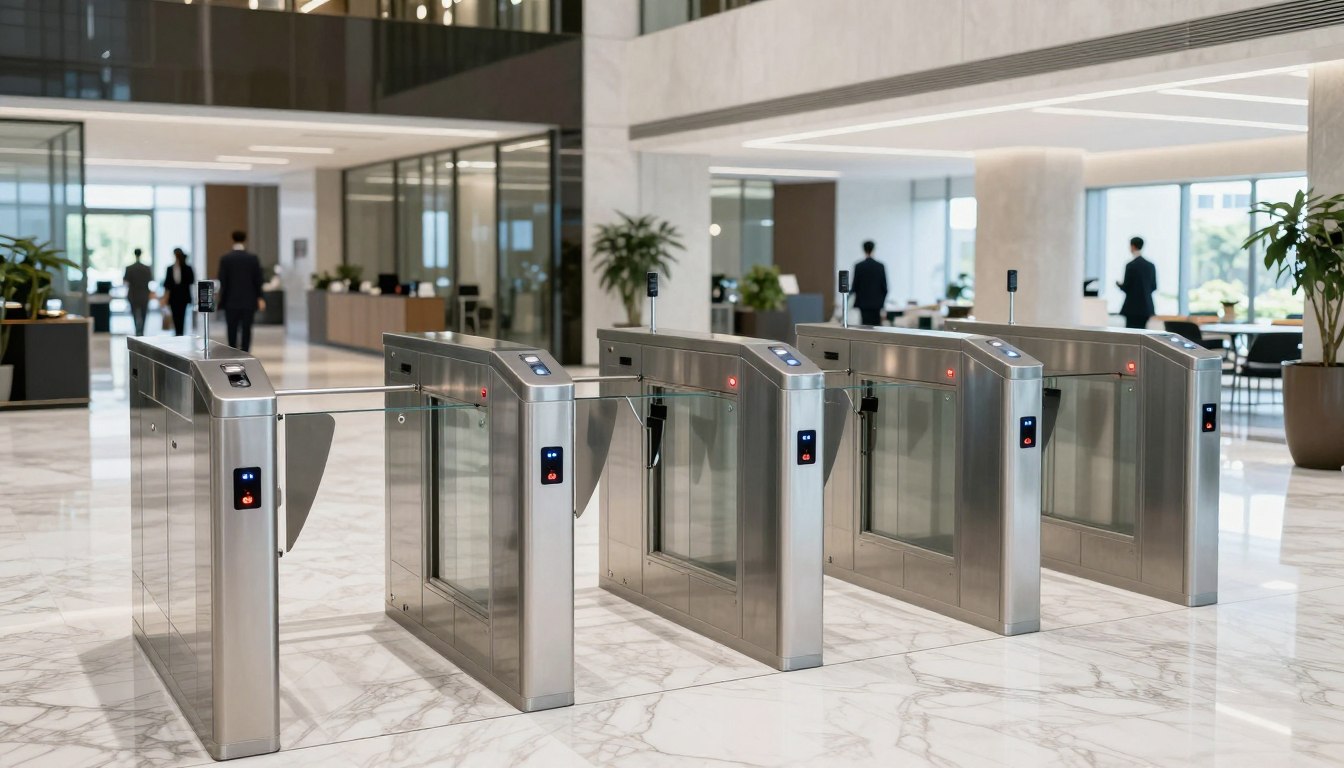
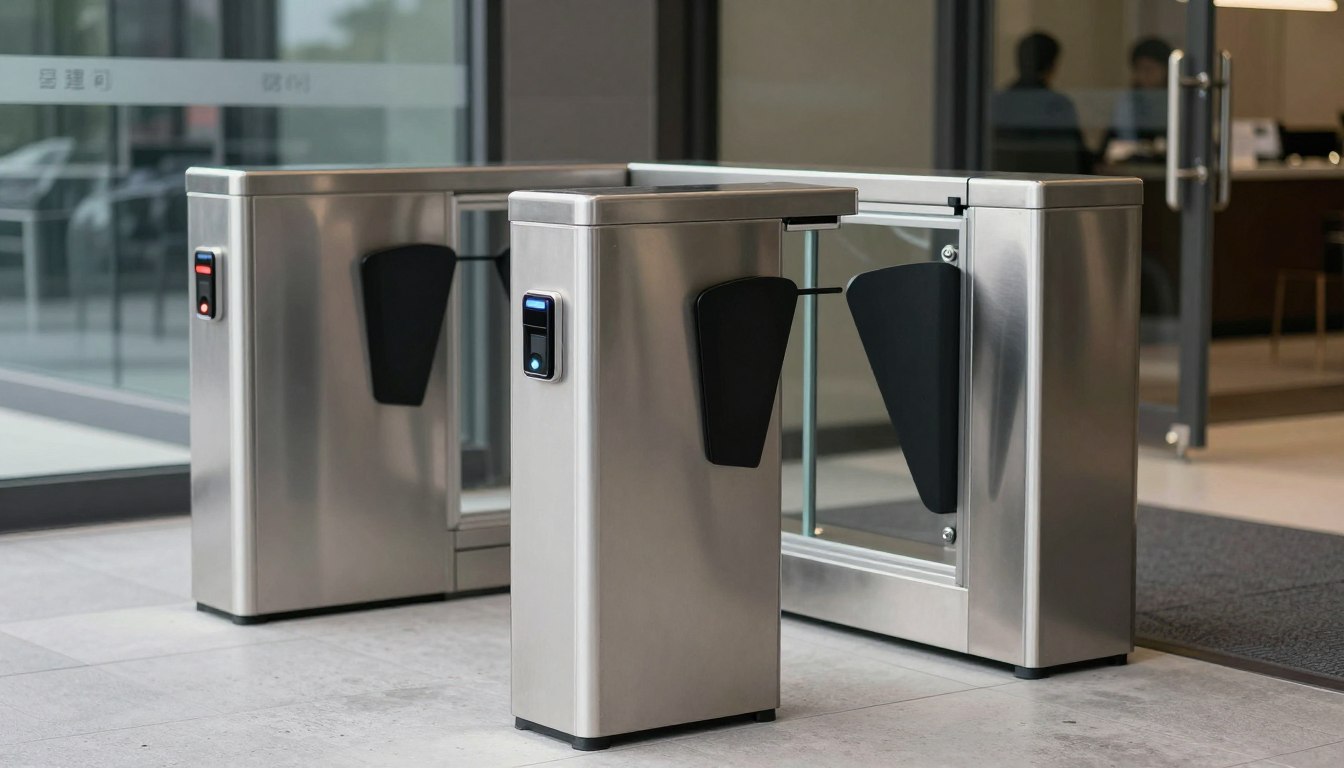
Physical infrastructure is also closely tied to security. Camera locations, turnstiles, biometric readers, door controllers, and wireless access points all require reliable network connectivity and, in many cases, power over Ethernet. Coordinating these installations under one design avoids duplicated cabling work, unplanned power requirements, and visible infrastructure that detracts from the workplace.
Build Standardization Into Every Site
Standardization does not mean every location needs the same number of switches or access points. It means the organization uses a repeatable design principle. A branch manager should not have to explain why their Wi-Fi behaves differently from the next branch, and the IT team should not need a separate method to administer every site.
Standardizing recognized platforms, configuration templates, naming conventions, and documentation reduces operational risk. It also makes it easier to add a new site, replace equipment, train support personnel, and maintain consistent security controls. Established network platforms from providers such as Cisco, Ruckus, Ubiquiti, TP-Link, and Grandstream can be selected according to the scale, management needs, budget, and application requirements of the organization.
There are trade-offs. A smaller location may not require the same level of redundancy as a data-intensive headquarters. However, low-cost equipment chosen without considering management visibility, warranty, security updates, or interoperability can create a higher long-term support burden. The right decision depends on the cost of downtime, the sensitivity of the data, and the expected lifespan of the site.
Design Connectivity for Failure, Not Just Daily Use
A single internet connection may be sufficient for a low-risk branch, but it can become a serious point of failure for a site that processes orders, handles customer traffic, or supports essential staff. The question is not whether an outage can happen. It is how much disruption the business can accept when it does.
For critical locations, organizations may consider secondary connections, automatic failover, cellular backup, or different service providers. These measures should be matched to business priorities. A warehouse that cannot dispatch goods without a connection may need a different resiliency plan than a small administrative office where staff can work offline for a short period.
Secure connectivity between sites is equally important. Site-to-site connections should protect business traffic as it moves between locations and cloud services. Firewalls should be configured around defined access rules rather than broad permissions that are difficult to audit. Remote access should be limited to authorized users and protected with strong authentication practices.
A good design also considers local continuity. Essential services such as security systems, local printing, and internal communications may require thoughtful planning during an internet disruption. Not every function needs to remain fully available, but the business should know what will continue and what will pause.
Treat Wireless as a Site-Specific Service
Wireless networking is often judged by a simple question: can people connect? That is not enough. A network can show a strong signal yet still perform poorly because too many devices are using the same channel, access points are placed without a coverage survey, or building materials block the signal.
Each location requires a wireless plan based on floor plans, wall construction, user density, device types, and business activity. Open offices, meeting rooms, stockrooms, classrooms, and customer areas all place different demands on Wi-Fi. High-density spaces may need more access points and careful channel planning, while an industrial or storage environment may require equipment placement that accounts for shelving, machinery, and obstructions.
Separate wireless networks for employees, guests, and operational devices provide clearer control. Guest access can be isolated from internal systems, while business-critical devices can receive appropriate priority. This is particularly useful where wireless scanners, tablets, handheld point-of-sale devices, or mobile collaboration tools are part of daily operations.
Central Visibility Reduces Support Delays
Multi-site operations become difficult when every issue starts with a phone call to someone at the location. Central monitoring and management provide a clearer view of connectivity, device status, performance trends, and security events across the environment.
That visibility helps teams distinguish between an ISP outage, a failed switch port, an overloaded wireless area, and a local device issue. It also supports planned maintenance, configuration backups, firmware management, and faster response when a site reports a problem.
Documentation is part of this discipline. Each location should have current network diagrams, device records, IP addressing details, cable labels, rack layouts, and contact information. These records may feel secondary during installation, but they become essential during an outage, relocation, audit, or expansion project.
Coordinate Network, Security, and Workplace Systems
The strongest multi-site projects bring infrastructure disciplines together early. Network cabling supports wireless access points, IP telephony, CCTV, and access control. Firewalls and segmentation protect systems that handle employee, customer, and operational data. Physical security decisions affect where devices are installed, how they are powered, and which teams require access.
When separate contractors handle these elements without coordination, businesses often face duplicated visits, conflicting requirements, incomplete handovers, and unclear accountability. A systems integrator can help align the design, installation sequence, testing, and documentation across the full environment. I-Weblogic approaches these projects as connected business infrastructure, combining cabling, networking, and workplace security requirements into a tailored implementation.
Before approving a design, ask a practical question: if this location doubles its devices, changes its layout, or loses its primary internet connection, what happens next? The answer should be clear before the site opens, not after business operations are already dependent on it.