The Ultimate Guide to Door Access Systems in Singapore (2024)

Security threats evolve every day. Your office door access system singapore needs to keep pace. Traditional lock and key methods no longer provide adequate protection for modern Singapore businesses.
This comprehensive guide examines door access singapore solutions available in 2024. You will learn about different access control technologies. You will understand how to choose the right system for your premises.
Singapore businesses face unique security challenges. High foot traffic buildings require robust door access control systems. Climate conditions affect hardware performance. Regulatory compliance adds another layer of complexity.
Key Insight: The Singapore market has shifted toward contactless access control systems. Biometric door access system installations increased by 47% in 2023. Face recognition door access system singapore adoption accelerated post-pandemic.
Why Your Singapore Office Needs a Modern Door Access System

Traditional key systems create significant security vulnerabilities. Lost keys compromise entire premises. Rekeying costs accumulate quickly. Employee turnover requires constant lock changes.
Modern door access control systems eliminate these problems. You can deactivate lost cards instantly. Access permissions update in real time. No physical key cutting or lock replacement needed.
Security Risks of Outdated Access Methods
Physical keys present multiple security challenges. Unauthorized key duplication occurs easily. You cannot track who enters or exits. No audit trail exists for security investigations.
Singapore businesses face increased liability with inadequate access control. Personal Data Protection Act (PDPA) compliance requires documented access records. Workplace Safety and Health Act mandates secure premises management.
Traditional Key System Limitations
- No entry/exit tracking capability
- Keys easily duplicated without authorization
- High replacement costs for lost keys
- Cannot restrict access by time or area
- No integration with security systems
- Manual management of all access changes
Modern Access System Advantages
- Complete audit trails for compliance
- Instant credential deactivation
- Time-based access restrictions
- Integration with CCTV and alarms
- Remote management capabilities
- Scalable for business growth

Regulatory Compliance Requirements in Singapore
Singapore regulations mandate specific security measures for commercial premises. The Personal Data Protection Act requires organizations to protect sensitive information. Access control forms a critical component of PDPA compliance.
Building and Construction Authority (BCA) guidelines specify requirements for access control in certain building types. Fire Safety Act regulations affect door access system configurations. Emergency egress must remain unimpeded.
Regulatory Consideration: Office door access system singapore installations must comply with BCA accessibility standards. Fire-rated doors require specific access control hardware. Consultation with certified professionals ensures regulatory compliance.
Cost-Benefit Analysis of System Upgrades
Initial investment in door access systems varies significantly. Basic card access systems start around SGD 1,200 per door. Advanced biometric door access system installations range from SGD 2,500 to SGD 5,000 per door.
Long-term savings offset upfront costs. Eliminated rekeying expenses save SGD 300-500 per incident. Reduced security breach risks prevent potential losses exceeding SGD 10,000. Improved employee productivity from streamlined access adds measurable value.
| Cost Factor | Traditional Keys | Card Access System | Biometric System |
| Initial Setup (per door) | SGD 150-300 | SGD 1,200-2,000 | SGD 2,500-5,000 |
| Lost Credential Replacement | SGD 300-500 | SGD 10-20 | SGD 0 |
| Annual Maintenance | SGD 100-200 | SGD 200-400 | SGD 300-600 |
| Audit Trail Capability | None | Complete | Complete |
| Integration Options | None | Extensive | Extensive |

Impact on Business Operations and Productivity
Access control systems streamline daily operations significantly. Employees spend less time managing physical keys. Visitors receive temporary credentials instantly. No more waiting for staff to unlock doors.
Integration with time attendance systems eliminates duplicate processes. Single card serves both access and attendance tracking. Payroll processing becomes more accurate. Human resource management improves efficiency.

Enhanced Convenience
Single card credential eliminates key management hassles. Quick tap or scan provides instant access. No fumbling with multiple keys. Seamless entry and exit experience.

Integrated Time Attendance
Combined access control and time tracking in one system. Automatic clock-in upon entry. Accurate attendance records for payroll. Eliminates manual timekeeping errors.

Remote Management
Control access permissions from anywhere. Grant temporary access remotely. Instant credential deactivation. Real-time monitoring and alerts.
Types of Door Access: Biometric vs. Face Recognition

Door access system singapore technology has evolved significantly. Multiple authentication methods now serve different security needs. Understanding each technology helps you make informed decisions.
This section examines major access control technologies. You will learn about card-based systems, biometric authentication, and face recognition. Each method offers distinct advantages and limitations.
Card-Based Access Control Systems
Card access systems remain popular for office door access system singapore installations. Users present proximity cards or key fobs to readers. The system verifies credentials and grants access.
Two primary card technologies dominate the market. RFID cards operate at various frequencies. Mifare cards offer enhanced security features and encryption.

RFID Proximity Cards
RFID cards provide convenient contactless access. Users hold cards near readers for authentication. No physical contact required. Reading distance typically ranges from 5 to 10 centimeters.
Low-frequency RFID cards cost less but offer basic security. High-frequency cards provide better encryption. Ultra-high frequency systems enable longer reading ranges.
Mifare Technology
Mifare represents the most secure card access option. Advanced encryption protects against cloning. Multiple applications can reside on single cards. Common for integrated access and payment systems.
Mifare classic cards serve basic access control needs. Mifare DESFire cards offer bank-level security. DESFire EV2 provides the highest protection available.
Card System Advantages
- Lower initial cost per credential
- Easy to issue and replace cards
- Familiar technology for users
- Works in various lighting conditions
- No special user training required
- Can combine with PIN for dual authentication
Card System Limitations
- Cards can be lost or stolen
- Possible unauthorized sharing
- Requires physical credential management
- Basic cards vulnerable to cloning
- Ongoing replacement costs
- Environmental factors affect card lifespan
Biometric Door Access System Technology
Biometric door access system solutions use unique physical characteristics. Fingerprint recognition dominates the biometric access market. Other options include palm vein, iris, and voice recognition.
Biometric systems eliminate credential management entirely. Users cannot lose or share their fingerprints. No cards to replace or PINs to remember. Authentication speed typically occurs within one second.

Fingerprint Recognition Systems
Fingerprint scanners offer the most common biometric solution. Optical sensors capture fingerprint images. Capacitive sensors measure electrical signals. Ultrasonic sensors provide highest accuracy.
Modern fingerprint readers handle wet or dry fingers effectively. Singapore’s humid climate previously challenged fingerprint systems. Current technology adapts to tropical conditions successfully.
| Fingerprint Technology | Accuracy | Speed | Climate Resistance | Cost Range |
| Optical Scanner | Good | Fast (under 1 sec) | Moderate | SGD 800-1,500 |
| Capacitive Scanner | Very Good | Very Fast (0.5 sec) | Good | SGD 1,200-2,000 |
| Ultrasonic Scanner | Excellent | Fast (under 1 sec) | Excellent | SGD 2,000-3,500 |
Palm Vein Recognition
Palm vein systems scan blood vessel patterns beneath skin. This technology offers superior security compared to fingerprints. Vein patterns cannot be copied or faked. Works reliably in all weather conditions.
Higher cost limits palm vein adoption. Typically reserved for high-security areas. Government facilities and data centers commonly use this technology.

Face Recognition Door Access System Singapore
Face recognition door access system singapore installations surged during the pandemic. Contactless operation provides hygiene benefits. No physical touch required for authentication. Suitable for high-traffic environments.
Advanced facial recognition uses 3D mapping technology. Systems capture multiple facial data points. AI algorithms improve accuracy over time. Works effectively with masks and glasses.

2D vs. 3D Face Recognition
Two-dimensional face recognition analyzes flat images. Lower cost but reduced accuracy. Vulnerable to photo spoofing. Lighting conditions significantly affect performance.
Three-dimensional systems map facial depth and contours. Anti-spoofing detection prevents photo attacks. Performs reliably in varying light conditions. Higher accuracy justifies increased cost.
Performance in Singapore Climate
Face recognition door access system singapore performance depends on proper installation. Outdoor installations require weatherproof housing. Direct sunlight affects camera sensitivity. Proper positioning ensures consistent results.
Indoor installations perform optimally. Temperature-controlled environments enhance accuracy. Adequate lighting improves recognition speed. Singapore office environments provide ideal conditions.
Important Consideration: Face recognition systems must comply with Singapore’s Personal Data Protection Act. Biometric data collection requires informed consent. Proper data protection measures are mandatory. Consult legal advisors before implementation.
4.3
Overall Technology Rating
Security Level
4.6/5
Ease of Use
4.4/5
Implementation Cost
3.5/5
Maintenance Requirements
4.2/5
Climate Adaptability
4.3/5
Hybrid Authentication Methods
Many organizations combine multiple authentication factors. Card plus PIN provides two-factor security. Biometric plus card offers maximum protection. Flexibility allows different security levels for different areas.
Dual authentication significantly reduces unauthorized access. First factor confirms identity. Second factor verifies authorization. Critical areas benefit most from multi-factor access control.

Choosing the Best Office Door Access System in Singapore

Selecting the right door access control system requires careful evaluation. Your specific needs determine optimal technology choices. This section guides you through the selection process.
Consider multiple factors before making decisions. Security requirements vary by industry. Budget constraints affect technology choices. Existing infrastructure impacts implementation complexity.
Assessing Your Security Requirements
Begin with comprehensive security assessment. Identify areas requiring access control. Determine appropriate security levels for each zone. Consider both internal and external threats.
Different areas require different protection levels. Public areas need basic access monitoring. Sensitive areas demand strict access control. Server rooms and data centers require maximum security.
- General office spaces
- Meeting rooms
- Common areas
- Reception areas
- Employee lounges
- Executive offices
- Finance departments
- Human resources
- Inventory storage
- Equipment rooms
- Server rooms
- Data centers
- Research facilities
- Executive suites
- Cash handling areas
Scalability and Future Growth
Choose systems that accommodate business growth. Expandable systems prevent costly replacements. Cloud-based platforms scale easily. On-premise systems have capacity limits.
Consider anticipated expansion plans. Additional doors should integrate seamlessly. User capacity must exceed current needs. Plan for at least 30 percent growth capacity.

Integration with Existing Systems
Compatibility with current infrastructure reduces costs. Check existing network capabilities. Verify power availability at door locations. Consider cable routing requirements.
Integration potential extends system value. Time attendance integration eliminates duplicate tracking. CCTV linkage provides visual verification. Alarm system integration creates comprehensive security.
Integration Consideration: Modern door access singapore systems offer extensive integration options. Video intercom, visitor management, and building automation systems can connect to access control platforms. Unified management reduces operational complexity.
Budget Planning and Total Cost of Ownership
Calculate total cost beyond initial purchase. Installation expenses vary significantly. Professional installation ensures proper operation. DIY installation risks system failures.
Ongoing costs include maintenance contracts. Software updates maintain security. Card replacement represents recurring expense. Biometric systems eliminate credential costs.
| Cost Component | Card Access | High-end Biometric System | High-end Face Recognition |
| Hardware (per door) | SGD 900-1,000 | SGD 1,500-4,000 | SGD 2,500-6,000 |
| Software License | SGD 0-500 | SGD 800-2,000 | SGD 1,200-3,000 |
| Professional Installation | SGD 300-600 | SGD 400-800 | SGD 500-1,000 |
| Annual Maintenance | SGD 200-400 | SGD 300-600 | SGD 400-800 |
| Credential Cost (per user) | SGD 5-15 | SGD 0 | SGD 0 |
| 5-Year Total (10 doors) | SGD 16,000-25,000 | SGD 28,000-45,000 | SGD 40,000-65,000 |
Vendor Selection Criteria
Choose established vendors with local support. Singapore presence ensures timely service. Check vendor track record and references. Verify technical certification and expertise.
Warranty coverage protects your investment. Standard warranties cover one to three years. Extended warranties available for critical installations. Response time guarantees ensure minimal downtime.

User Experience and Training Requirements
System usability affects adoption rates. Intuitive interfaces require minimal training. Complex systems need comprehensive user education. Administrator training ensures proper management.
Consider employee technology comfort levels. Older workers may prefer familiar card systems. Tech-savvy teams adapt quickly to advanced biometric options. Pilot testing helps gauge user acceptance.
End-User Considerations
- Authentication speed and convenience
- Learning curve for new technology
- Physical accessibility for all users
- Backup access methods availability
- Privacy concerns with biometric data
- Weather resistance for outdoor use
Administrator Needs
- Intuitive management software interface
- Quick credential provisioning process
- Comprehensive reporting capabilities
- Remote management functionality
- Integration with HR systems
- Alert and notification configuration
Compliance and Data Protection
Singapore regulatory compliance cannot be overlooked. Personal Data Protection Act governs biometric data collection. Obtain explicit consent before enrolling fingerprints or facial data. Implement proper data security measures.
Data retention policies require documentation. Define how long access records remain stored. Establish procedures for data deletion. Regular audits ensure ongoing compliance.
Legal Compliance Alert: Biometric door access system and face recognition door access system singapore implementations must comply with PDPA requirements. Appoint a Data Protection Officer. Document data protection measures. Conduct Data Protection Impact Assessments for high-risk processing.

Integration with CCTV and Turnstiles

Comprehensive security requires system integration. Door access control system effectiveness multiplies when connected with other security measures. This section explores integration possibilities.
Modern access systems communicate with multiple security platforms. CCTV provides visual verification. Turnstiles manage high-traffic areas. Alarm systems respond to unauthorized access.
CCTV Integration Benefits
Linking door access with video surveillance adds powerful capabilities. Cameras automatically record each access event. Video verification confirms user identity. Footage provides evidence for investigations.
Real-time monitoring becomes more effective. Security personnel see live video during access attempts. Suspicious activity triggers immediate alerts. Recorded footage links to access logs.

Video Management System Connection
Video management software unifies access and surveillance data. Single interface displays multiple security feeds. Search functions locate specific access events. Playback shows exact moment of each entry.
Integration protocols vary by manufacturer. Open-platform systems offer broader compatibility. Proprietary systems may limit integration options. Verify compatibility before purchasing equipment.
Standard Integration Features
- Automatic video recording on access events
- Synchronized access logs and video footage
- Live video popup during access attempts
- Facial image capture and storage
- Alert-triggered camera activation
- Unified search across systems
Advanced Integration Capabilities
- AI-powered facial recognition matching
- Behavioral analysis and anomaly detection
- Multi-camera tracking of individuals
- Integration with license plate recognition
- Automatic incident report generation
- Predictive analytics and pattern recognition
Turnstile and Speed Gate Integration
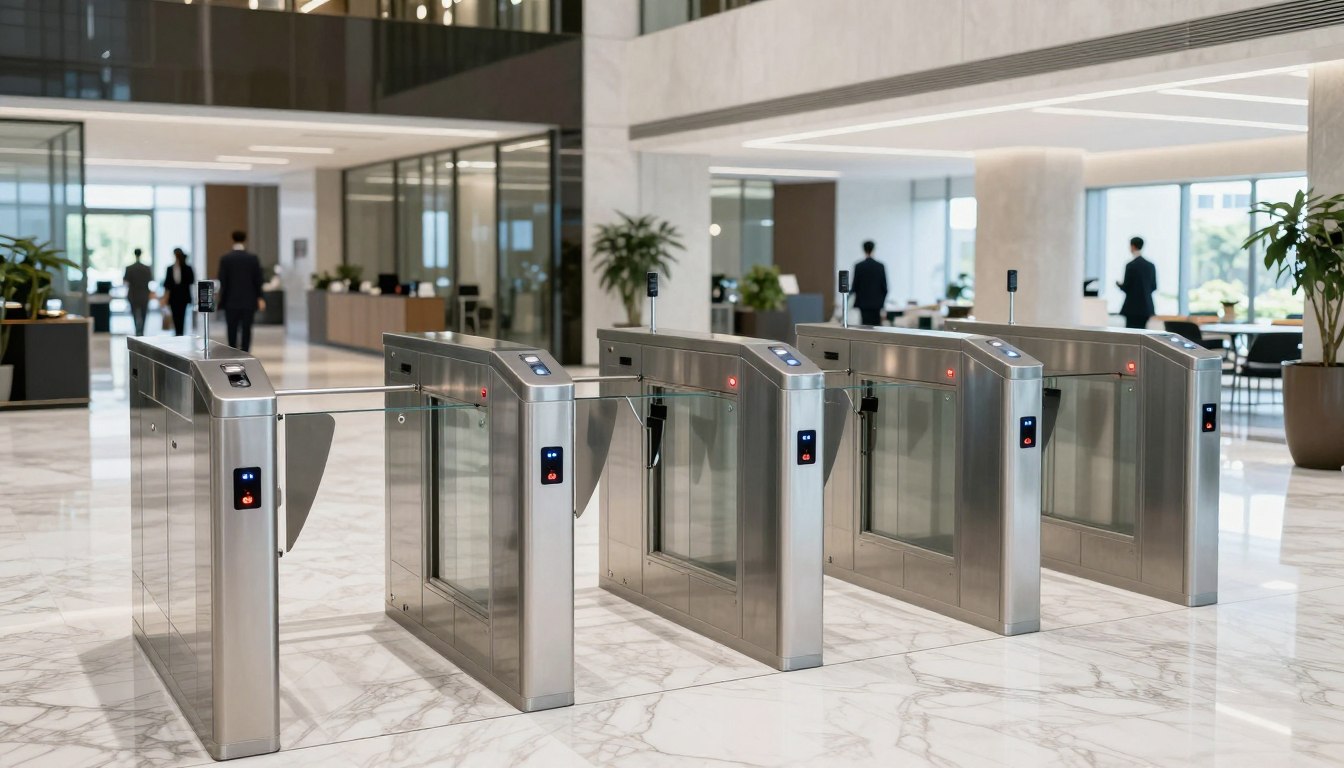
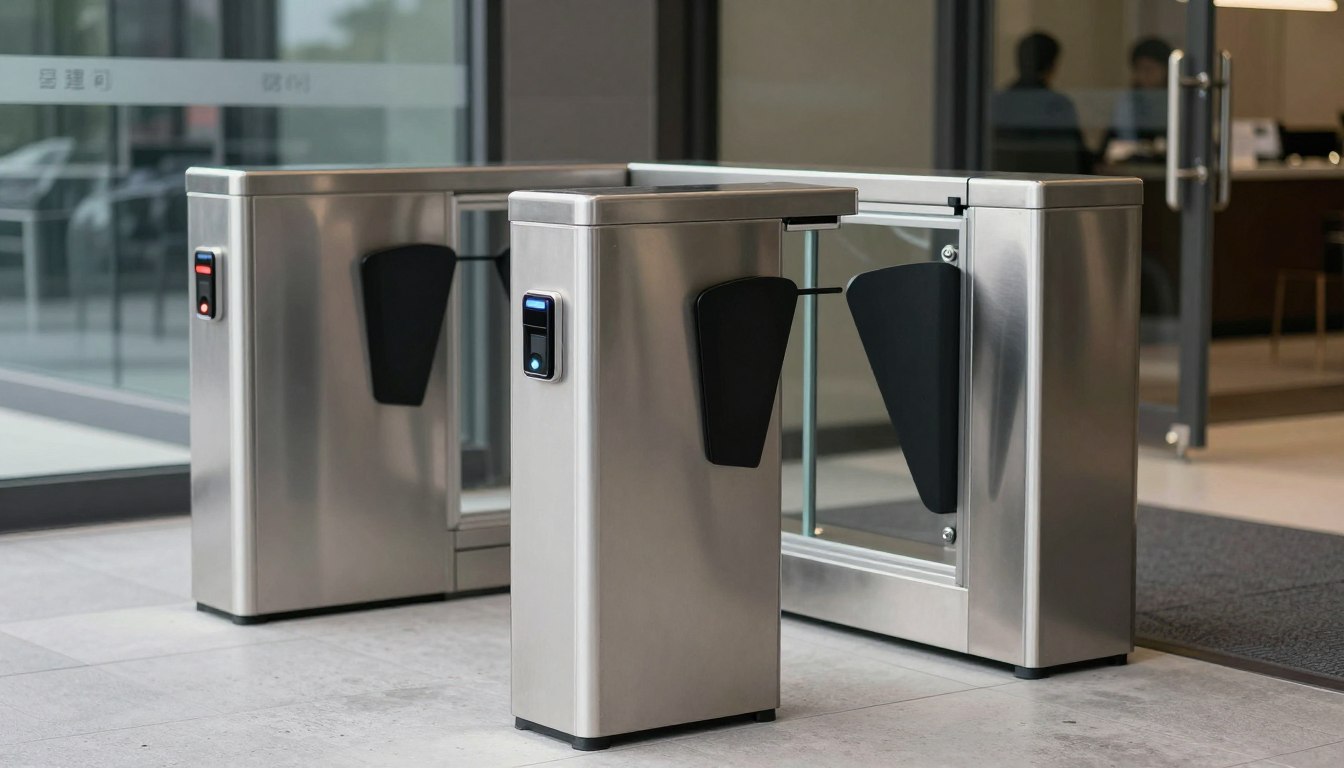
Turnstiles provide physical access control for high-traffic premises. Integration with door access system singapore creates seamless operation. Valid credential opens turnstile automatically. Invalid attempts remain locked.
Speed gates offer elegant alternative to traditional turnstiles. Glass barriers provide modern aesthetic. Fast operation handles heavy traffic flow. Popular in premium office buildings.

Anti-Passback and Tailgating Prevention
Anti-passback prevents credential sharing. System tracks each user location. Same card cannot enter twice without exit. Turnstiles physically prevent piggybacking.
Tailgating detection uses sensors and cameras. AI algorithms identify multiple people. Alarms activate when unauthorized passage detected. Security staff receive immediate notifications.
Security Enhancement: Combining door access control with turnstiles reduces unauthorized entry by up to 95 percent. Physical barriers enforce one-person-per-credential rule. Sensors detect tailgating attempts. Integration creates comprehensive perimeter security.
Visitor Management System Integration
Visitor management systems streamline guest access. Pre-registration expedites check-in process. Temporary credentials grant time-limited access. Visitor logs maintain compliance records.
Host notification occurs automatically. Visitors receive digital or printed passes. Access expires after designated period. System tracks visitor locations within premises.

Building Automation Integration
Smart building systems benefit from access control integration. Lights activate when first employee arrives. HVAC systems adjust based on occupancy. Energy savings result from intelligent automation.
Last-person-out functions secure premises automatically. Doors lock when building becomes empty. Alarms activate after business hours. Climate control switches to economy mode.

Lighting Control
Automatic illumination upon access. Zone-based lighting activation. Energy savings during unoccupied hours. Emergency lighting during alarms.

Climate Management
Occupancy-based HVAC operation. Pre-cooling before arrival times. Energy conservation when vacant. Optimal comfort during occupancy.

Alarm Coordination
Automatic arming after last exit. Disarming upon authorized entry. Intrusion detection coordination. Emergency response integration.
Time Attendance Integration
Time attendance tracking integrates seamlessly with access control. Single transaction records both access and attendance. Payroll accuracy improves significantly. Manual timekeeping becomes obsolete.
Multiple clock-in points throughout premises. System determines actual attendance location. Eliminates buddy punching completely. Overtime calculation automates based on actual hours.

Mobile Access and Cloud Integration
Cloud-based access systems enable remote management. Administrators control access from anywhere. Real-time monitoring via mobile apps. Instant credential provisioning without physical presence.
Mobile credentials replace traditional cards. Smartphones become access devices. Bluetooth or NFC technology enables entry. Convenient for tech-forward organizations.
Technology Trend: Mobile access adoption in Singapore accelerated 230 percent since 2022. Bluetooth Low Energy credentials offer touchless convenience. Cloud platforms provide flexibility for hybrid work environments. Mobile integration future-proofs door access system investments.
Installation Process and Ongoing Maintenance

Proper installation determines system reliability. Professional expertise prevents common problems. This section covers installation requirements and maintenance procedures.
Door access system singapore installation involves multiple components. Hardware mounting requires precision. Network configuration ensures proper communication. Testing verifies complete functionality.
Pre-Installation Site Assessment
Our security system evaluation includes checking for card pin access. This ensures that pin access is available for specific areas that require higher security than general office doors. We only use authorized products to ensure long-term reliability for your site, a standard trusted by our clients like Dyson and local Community Centers.
Proper door access control site assessment also considers door construction, as it significantly affects hardware selection. Our security system protocols ensure that pin access is granted only to specific areas, using high-quality products that withstand the Singapore climate.

Hardware Installation Requirements
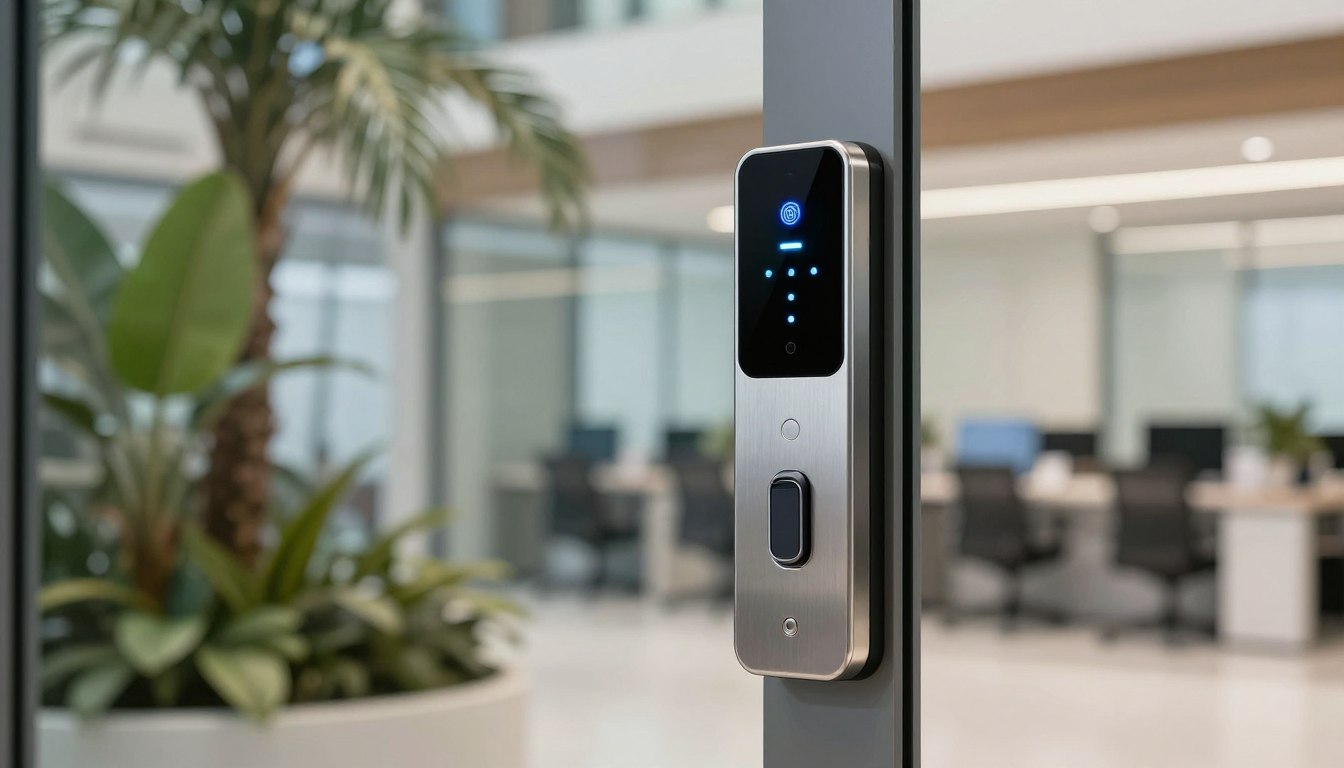
Reader placement follows manufacturer specifications. Optimal height ranges from 120 to 140 centimeters. Distance from door edge affects reading accuracy. Weather protection required for outdoor installations.
Controller location requires careful consideration. Central locations minimize cable runs. Secure mounting prevents tampering. Adequate ventilation ensures proper operation.
- Mount at 120-140cm height
- 10-15cm from door edge
- Protected from weather
- Secure cable routing
- Proper wire gauge selection
- Surge protection installed
- Secure location away from public
- Climate-controlled environment preferred
- Central position minimizes wiring
- Easy access for maintenance
- Backup power connection
- Network connectivity verified
- Align perfectly with latch
- Sufficient holding force rating
- Fail-safe for fire exits
- Fail-secure for sensitive areas
- Manual override mechanism
- Emergency release compliance
Network and Power Configuration
Network connectivity options include wired and wireless. Ethernet provides most reliable connection. PoE (Power over Ethernet) simplifies installation. Wireless works for renovation projects.
Power supply planning prevents system failures. Calculate total power requirements. Include battery backup for critical doors. Uninterruptible power supply recommended for controllers.

Software Configuration and Testing
Software setup involves multiple steps. Install management software on designated computers. Configure controllers and readers. Create user groups and access levels.
Comprehensive testing ensures proper operation. Test each door individually. Verify all authentication methods. Check integration with connected systems. Document any issues discovered.
| Testing Phase | Key Checkpoints | Expected Results |
| Hardware Verification | Reader communication, lock operation, LED indicators, alarm circuits | All devices respond correctly, proper voltage readings, no error messages |
| Access Control Testing | Valid credential access, invalid credential rejection, time zone restrictions | Authorized users gain access, unauthorized attempts blocked, schedules enforced |
| Integration Verification | CCTV linkage, alarm coordination, time attendance sync, visitor management | All systems communicate properly, events trigger correctly, data synchronizes |
| Emergency Functions | Fire alarm override, emergency unlock, backup power operation | Doors unlock on fire alarm, manual override works, system operates on backup |
User Training and Documentation
Administrator training ensures effective management. Cover credential management procedures. Explain report generation and interpretation. Demonstrate troubleshooting techniques.
End-user training promotes adoption. Demonstrate proper authentication procedures. Explain what to do if authentication fails. Provide contact information for support.

Preventive Maintenance Schedule
Regular maintenance prevents unexpected failures. Clean readers monthly to ensure accuracy. Check battery backups quarterly. Test emergency functions semi-annually.
Software updates maintain security. Install manufacturer updates promptly. Back up system databases regularly. Review access logs for anomalies.
Monthly Maintenance Tasks
- Clean all reader surfaces
- Check LED indicator operations
- Test sample access transactions
- Verify door alignment and closure
- Review recent error logs
- Check physical mounting security
Quarterly Maintenance Tasks
- Test backup battery capacity
- Verify all emergency overrides
- Update firmware if available
- Review and update access rights
- Check network connectivity stability
- Perform full system backup
Common Issues and Troubleshooting
Understanding common problems enables quick resolution. Reader malfunction often stems from dirty sensors. Network disconnections affect system reliability. Power issues cause intermittent failures.
Singapore climate creates specific challenges. Humidity affects electronic components. Frequent cleaning prevents corrosion. Proper housing protects outdoor installations.
Climate Consideration: Singapore’s tropical humidity affects door access system components. Outdoor readers require IP65 or higher weatherproofing. Regular cleaning prevents moisture-related failures. Conformal coating on circuit boards extends hardware lifespan.

Advanced Security Features and Best Practices

Beyond basic access control, advanced features enhance security significantly. Understanding these capabilities helps maximize system effectiveness. This section explores sophisticated security options.
Modern access control systems offer extensive security functions. Real-time monitoring prevents breaches. Alert systems notify about suspicious activities. Comprehensive logging supports compliance and investigations.
Multi-Level Access Control
Sophisticated premises require tiered access control. Different employees need different access rights. Senior management accesses executive areas. Technical staff enters server rooms. General employees use common spaces.
Time-based restrictions add another security layer. Certain areas accessible only during business hours. After-hours access limited to authorized personnel. Holiday schedules automatically restrict access.

Real-Time Monitoring and Alerts
Active monitoring identifies security incidents immediately. Dashboard displays live access activity. Color-coded alerts highlight unusual events. Security personnel respond quickly to potential threats.
Automated alerts notify stakeholders instantly. Email notifications for after-hours access. SMS messages for security violations. Mobile app push notifications for critical events.

Live Activity Monitoring
Real-time transaction display. Visual door status indicators. Occupancy tracking. Immediate anomaly detection.

Alert Notifications
Customizable alert triggers. Multi-channel notifications. Escalation procedures. Acknowledged alert tracking.

Incident Response
Coordinated response protocols. Integrated communication systems. Evidence collection automation. Post-incident reporting.
Audit Trail and Compliance Reporting
Comprehensive logging supports regulatory compliance. System records every access attempt. Detailed reports available on demand. Historical data helps identify patterns.
Reports can be customized for different purposes. HR departments track employee attendance. Security teams analyze access patterns. Compliance officers verify regulatory adherence.

Cybersecurity Considerations
Door access systems connect to networks, creating cyber risks. Secure all communication channels. Use strong encryption for data transmission. Implement robust authentication for administrators.
Regular security updates patch vulnerabilities. Change default passwords immediately. Restrict network access to authorized devices. Monitor for unauthorized access attempts.
Cybersecurity Alert: Access control systems face increasing cyber threats. Implement network segmentation to isolate security systems. Use VPN for remote access. Enable two-factor authentication for administrators. Regular security audits identify vulnerabilities before exploitation.
Emergency Lockdown Capabilities
Crisis situations require immediate lockdown capabilities. Single command locks all doors instantly. Predefined lockdown scenarios activate quickly. Emergency responders receive special override access.
Lockdown procedures must comply with fire safety regulations. Some doors must unlock during fire alarms. Others remain locked for security. Proper configuration balances safety and security.

Frequently Asked Questions about Door Access Singapore

How much does a door access system singapore installation cost?
Door access system singapore costs vary based on technology and scale. Basic card access systems start around SGD 1,200 per door including hardware and installation. Biometric door access system installations range from SGD 2,500 to SGD 4,000 per door. Face recognition door access system singapore implementations cost SGD 3,500 to SGD 6,000 per door.
Additional costs include software licenses ranging from SGD 500 to SGD 3,000 depending on system complexity. Professional installation typically adds SGD 300 to SGD 1,000 per door. Annual maintenance contracts cost SGD 200 to SGD 800 per door. Total cost depends on number of doors, integration requirements, and features selected.
What is the best biometric door access system for Singapore climate?
Singapore’s tropical humidity requires specific considerations for biometric systems. Capacitive fingerprint scanners perform reliably in humid conditions. These sensors work effectively with wet or dry fingers. Ultrasonic fingerprint technology offers best performance but costs more.
Face recognition door access system singapore installations handle climate challenges well. Modern 3D facial recognition works in various lighting and weather conditions. Indoor installations generally perform better than outdoor units. For outdoor applications, select weatherproof housings rated IP65 or higher.
How long does door access control system installation take?
Installation timeframes depend on project scope and complexity. Single-door installations typically complete within 4 to 6 hours. Multi-door projects require proportionally more time plus system configuration.
A typical office door access system singapore installation covering 10 doors takes 2 to 3 days. This includes hardware mounting, network configuration, software setup, and testing. Complex integrations with CCTV, turnstiles, or building automation extend timelines. Plan additional time for user training and documentation.
Can door access systems integrate with existing time attendance systems?
Modern door access control systems offer comprehensive time attendance integration. Single credential serves both access and attendance functions. Employees clock in automatically when entering premises. This eliminates duplicate manual processes.
Integration protocols vary by manufacturer. Many systems offer API connections for seamless integration. Some require middleware software to connect different platforms. Cloud-based systems typically provide easier integration options. Verify compatibility before purchasing to ensure smooth integration.
What happens during power failures?
Door access systems include backup power provisions. Battery backup units maintain operation during outages. Most controllers operate 4 to 8 hours on battery power. Critical installations use uninterruptible power supplies for extended runtime.
Door lock configuration determines emergency behavior. Fail-safe locks unlock during power loss, ensuring fire safety compliance. Fail-secure locks remain locked for high-security areas. Emergency exit requirements override security concerns. Battery status monitoring alerts administrators before depletion.
How secure are card-based access systems against cloning?
Card security depends on technology chosen. Basic RFID proximity cards offer minimal protection against cloning. These cards suitable for low-security applications only. Mifare Classic cards provide moderate security with encryption.
High-security environments require advanced card technology. Mifare DESFire cards offer bank-level encryption and anti-cloning protection. DESFire EV2 represents current highest security standard. Combined card and PIN authentication adds extra security layer. Biometric door access system eliminates cloning concerns entirely.
Do I need permission to install door access in HDB or commercial buildings?
Commercial building installations typically require management approval. Submit installation plans to building management for review. Ensure compliance with Building and Construction Authority regulations. Fire safety requirements must be met.
HDB installations may require HDB approval depending on scope. Main gate installations typically need permission. Internal home door access generally does not require approval. Check with HDB before proceeding. Commercial strata properties require management corporation approval. Professional installers familiar with local regulations help navigate approval processes.
Can employees use smartphones instead of cards for access?
Mobile access technology enables smartphone-based credentials. Bluetooth Low Energy and NFC technologies support mobile access. Employees install app on smartphones. Virtual credentials provide same functionality as physical cards.
Mobile access offers multiple advantages. Lost phones can be deactivated remotely. No physical card replacement needed. Temporary credentials easy to issue. Works well for visitor management. However, requires compatible door access control system hardware and smartphone compatibility. Not all systems support mobile credentials.
How often should door access systems be serviced?
Regular maintenance ensures reliable operation. Monthly cleaning of readers prevents dirt accumulation. Quarterly battery testing verifies backup power readiness. Semi-annual comprehensive inspections identify potential issues.
Singapore climate requires more frequent attention. Humidity accelerates component wear. Monthly inspections recommended for outdoor installations. Professional maintenance contracts typically include quarterly service visits. Software updates should install promptly when available. System logs review monthly helps identify problems early.
What is the lifespan of a door access control system?
Quality door access system singapore installations last 7 to 10 years with proper maintenance. Hardware durability depends on build quality and environmental conditions. Controllers typically last longest. Readers experience more wear from daily use.
Software platforms require periodic updates. Cloud-based systems receive automatic updates. On-premise systems may need major upgrades every 3 to 5 years. Technology advances may prompt earlier replacement. Biometric readers benefit from AI algorithm improvements. Face recognition accuracy improves with software updates. Budget for partial system upgrades mid-lifecycle.
Making Your Decision

Selecting the right door access singapore solution requires careful evaluation of multiple factors. Technology options continue expanding. Your specific needs determine optimal choices.
Start with comprehensive security assessment. Identify areas requiring protection. Determine appropriate security levels. Consider integration with existing systems. Budget for both initial costs and ongoing maintenance.
Technology selection depends on your environment. Office door access system singapore installations benefit from card-based or biometric solutions. High-security areas justify face recognition door access system singapore investments. Hybrid approaches serve diverse requirements.
Final Consideration: Professional consultation provides valuable guidance. Experienced integrators understand Singapore-specific requirements. They ensure regulatory compliance and optimal system design. Quality installation and ongoing support determine long-term success.
Door access control system technology continues advancing rapidly. Artificial intelligence improves recognition accuracy. Cloud platforms enhance management flexibility. Mobile credentials increase convenience. Future-proof your investment by choosing adaptable systems.
Security represents ongoing investment, not one-time expense. Regular updates maintain protection levels. Professional maintenance prevents unexpected failures. Comprehensive training ensures effective system utilization.
Your door access system serves as first line of defense. Choose wisely based on actual needs rather than latest trends. Balance security requirements with budget constraints. Prioritize reliability and support over feature counts.