A visitor arriving at a busy office should not create a security gap, a reception bottleneck, or a manual reporting task for the facilities team. The best office visitor management systems give organizations a clear record of who is onsite, why they are there, where they may go, and when they leave. More importantly, they connect visitor handling to the wider workplace environment: reception, access control, employee directories, network policies, and emergency procedures.
For an office manager, IT manager, or security leader, the right platform is rarely the one with the longest feature list. It is the one that fits the building, visitor volume, compliance requirements, and existing infrastructure without adding unnecessary complexity. A small office may need a dependable self-service kiosk and digital host notifications. A multi-site organization may require pre-registration workflows, badge printing, identity screening, contractor controls, and access control integration.
What Makes an Office Visitor System Effective?
A visitor management system replaces the paper logbook with a controlled digital process. Visitors can be pre-registered, invited by a host, checked in at a kiosk or reception desk, issued a badge, and automatically checked out. The system records the visit while giving reception and security teams better visibility in real time.
The operational value comes from consistency. A paper sign-in sheet relies on staff remembering every step and gives little confidence that personal information is protected. A well-configured digital system can present site rules, collect signed agreements, notify hosts immediately, retain records according to policy, and flag visitors who require additional review.
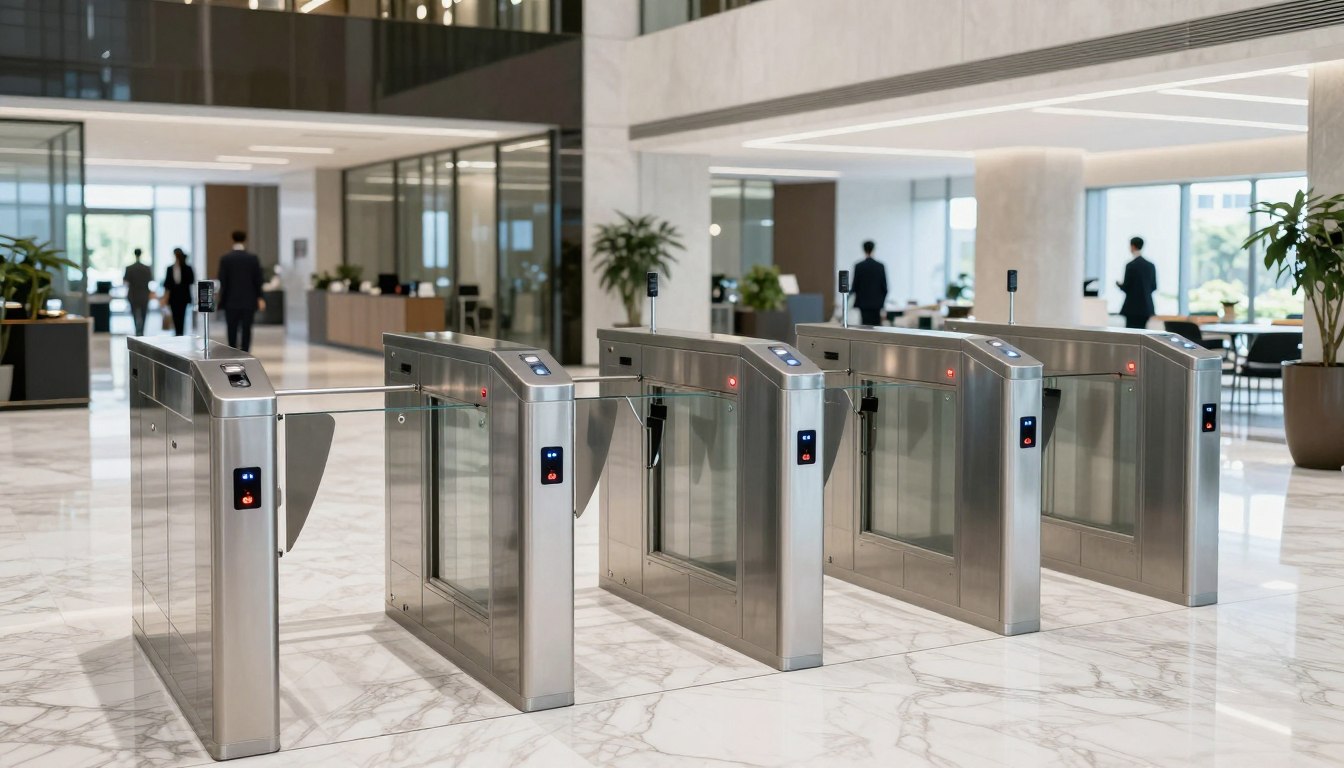
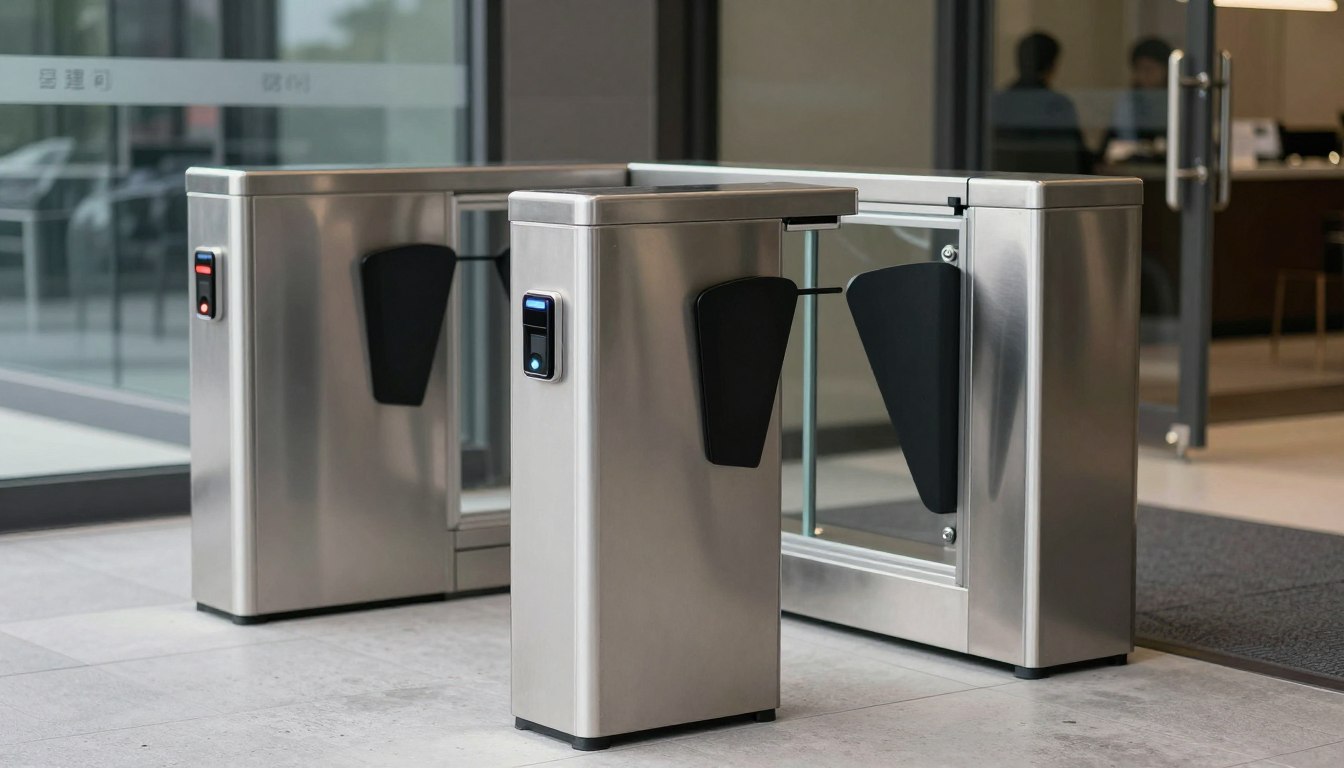
However, software alone does not secure an office. Its effectiveness depends on how it is deployed. If visitors can enter behind employees through an uncontrolled door, or if badges are not matched to access privileges, the visitor platform becomes an isolated reception tool. The strongest deployments coordinate visitor workflows with physical access control, turnstiles, CCTV coverage, network security, and clear front-desk procedures.
Best Office Visitor Management Systems to Consider
The following platforms are widely considered by organizations seeking a modern workplace visitor process. Their suitability depends on the level of security, the number of sites, the required integrations, and whether the organization has a staffed reception area.
Envoy Visitors
Envoy is a common choice for modern offices that want polished visitor experiences alongside workplace management functions. It is particularly relevant for organizations with frequent guests, hybrid work policies, and distributed office operations. Its strengths typically include visitor invitations, customizable sign-in flows, host notifications, badge support, and workplace-oriented administrative controls.
Envoy can be a practical fit where the visitor process needs to feel professional for clients and candidates while still providing security oversight. Before selection, confirm whether its available integrations align with the access control, identity, and communication tools already in use. Larger deployments should also assess how the system handles site-specific rules, data retention, and reception fallback procedures during an internet outage.
Proxyclick by Eptura
Proxyclick is designed with enterprise visitor management and compliance needs in mind. It is often evaluated by organizations that need structured approval processes for contractors, vendors, interview candidates, and visitors across multiple locations. The platform can be well suited to workplaces where visitor records need to support audit requirements rather than simply replace a paper book.
This approach can be valuable for corporate headquarters, regulated environments, campuses, and facilities with controlled areas. It may be more capability than a small office requires, so decision-makers should compare the administrative effort and licensing scope against actual operational risk. The key question is whether the organization needs enterprise governance or a simpler, faster reception workflow.
The Receptionist for iPad
The Receptionist for iPad focuses on an approachable front-desk experience. It is often considered by offices that want self-service check-in without placing a heavy administration burden on a receptionist or office administrator. A dedicated tablet at the entrance can guide guests through the required steps and notify the appropriate host.
For smaller organizations, this can be a sensible route to professionalizing the arrival process quickly. It works best when the physical entrance is already controlled and hosts are responsive to notifications. If visitors frequently need access beyond the lobby, the organization should plan how badge issuance and door access will be managed rather than assuming check-in alone provides authorization.
SwipedOn
SwipedOn is another option frequently used by small and mid-sized workplaces that want simple digital sign-in for visitors, employees, and contractors. Its appeal is generally straightforward deployment and a clear kiosk-based workflow. It can be useful for offices, schools, and customer-facing locations where staff need a better record of attendance without a complicated enterprise implementation.
The trade-off is that simpler systems may not provide the depth of workflow control, screening, or integration needed at a high-security site. That is not a weakness if the organization has modest requirements. It becomes a concern only when a basic visitor kiosk is expected to manage contractor clearance, restricted areas, and multi-site reporting without the supporting security infrastructure.
iLobby
iLobby is often considered where visitor management is tied closely to contractor management, compliance, and facility security. It is relevant for organizations with complex site rules, regular vendor traffic, industrial or regulated locations, and a need to demonstrate that required inductions, documents, or approvals were completed before entry.
This type of platform deserves consideration when the cost of an unmanaged visitor is high, whether due to safety, intellectual property, regulatory exposure, or operational disruption. Its features should be evaluated alongside the organization’s reception model and building systems. A detailed platform will deliver better control only if site teams own the workflows and keep visitor requirements current.
How to Choose Between Visitor Management Platforms
Start with the visitor journey rather than product demonstrations. Map what happens from the moment a guest receives an invitation through arrival, identification, badge collection, access, departure, and record retention. This exposes gaps that software must address and prevents a purchase based solely on an attractive kiosk interface.
Security requirements should come first. Consider whether the system needs photo capture, ID verification, watchlist screening, nondisclosure agreements, safety acknowledgments, or host approval before a badge is issued. Determine what information must be retained, who can view it, and when it must be deleted. Organizations handling sensitive personal data should involve IT, security, legal, and privacy stakeholders early in the selection process.
Next, examine integrations. A visitor management platform should fit the systems already operating in the workplace, especially access control, employee directories, email or messaging tools, badge printers, and identity platforms. Integration quality matters more than the length of an integration list. Ask whether access is created automatically, whether it expires at checkout, what happens when a host changes departments, and how exceptions are logged.
Deployment also matters. A reliable visitor process needs suitable kiosk hardware, stable wired or wireless connectivity, power provision, printer placement, and a secure mounting location. Reception areas with high traffic may need more than one check-in point. Sites with limited reception coverage should have a clear process for visitors who need assistance, fail identity checks, or arrive outside expected hours.
Connect Visitor Management to Physical Security
The most effective visitor program treats check-in as one part of a coordinated security design. Visitors should receive access appropriate to their purpose, not the same access as an employee. That may mean a temporary QR credential, a time-limited mobile pass, a printed badge, or a physical card that works only at designated doors.
Access control should be configured to remove permissions automatically when a visit ends. For higher-risk areas, turnstiles or controlled doors can validate credentials before entry, while CCTV provides a useful visual record at entrances and reception points. Network teams should also separate visitor Wi-Fi from corporate systems and avoid relying on visitor credentials for network access.
This is where implementation planning becomes essential. Cabling routes, reader placement, network capacity, door hardware, power availability, and firewall policy all affect the final result. I-Weblogic Pte Ltd approaches these projects as connected workplace infrastructure, helping organizations align visitor workflows with access control, connectivity, and physical security requirements instead of managing each component as a separate project.
Questions to Ask Before You Buy
Ask each vendor to demonstrate the exact workflows that matter to your site. This includes a pre-registered visitor, an unplanned visitor, a contractor who needs documentation reviewed, a visitor denied entry, and a guest whose host is unavailable. A generic product demonstration will not reveal how the system behaves when reception is busy or a process exception occurs.
Also ask how the platform operates during a network interruption, how data can be exported for an audit or emergency response, and how administrators control access to visitor records. Request clarity on implementation responsibilities, training, support coverage, device requirements, and ongoing configuration changes. These practical details often determine whether a system is adopted consistently after launch.
The right choice is the system that gives your team clear control without slowing down legitimate visitors. Build the workflow around your building and risk profile first, then select technology that can support it reliably as your office, workforce, and security requirements grow.