Meeting Room Booking System Singapore: Optimize Your Office Productivity
Modern corporate environments in Singapore demand high levels of agility and precision. As businesses evolve, the need for seamless workspace management becomes vital to maintain daily operations. Implementing a reliable meeting room booking system allows teams to reclaim lost time and focus on core objectives.
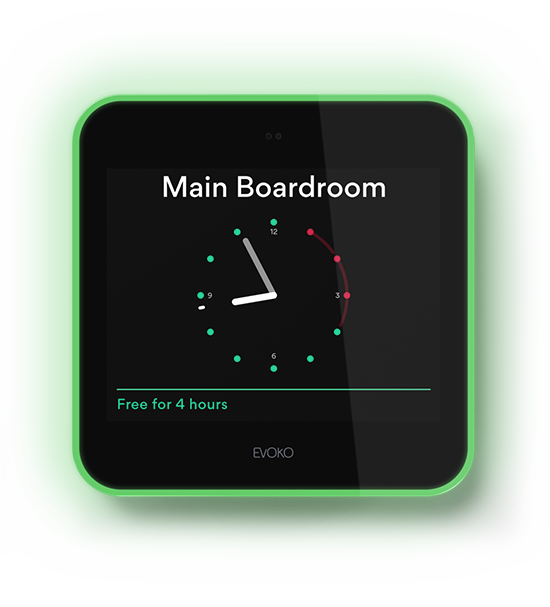
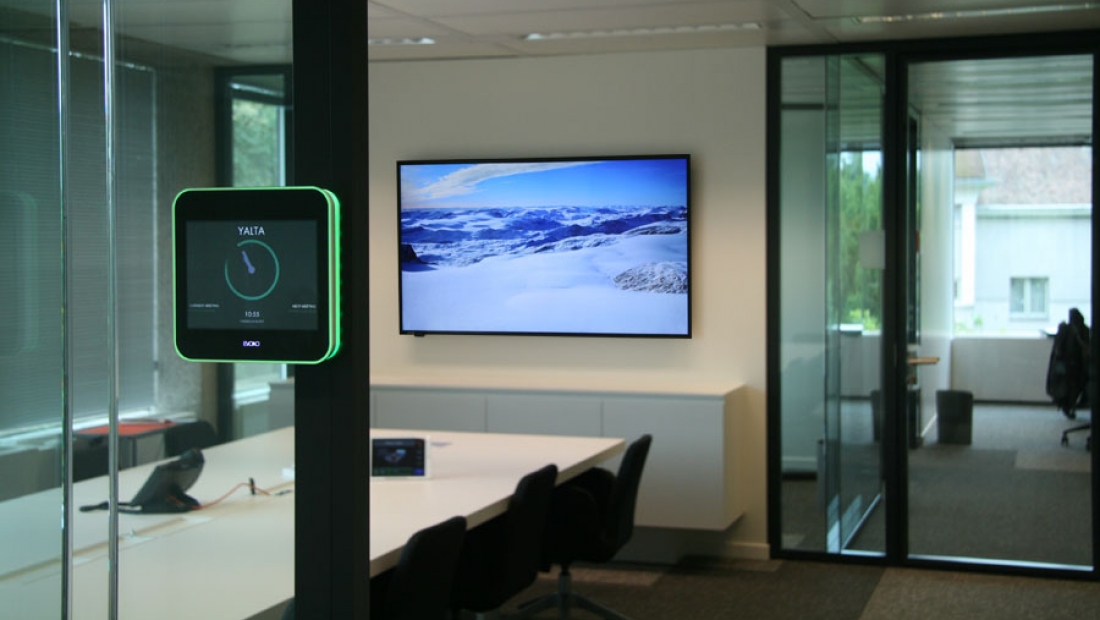
I-Weblogic Pte Ltd stands as the premier IT infrastructure and managed services partner in the region. We specialize in helping local firms streamline their digital workflows through innovative technology. By choosing a professional room booking system singapore providers trust, you ensure your office remains a hub of efficiency.
Our team provides expert guidance to help you integrate these tools into your existing infrastructure. We are committed to your success and operational excellence. For professional assistance, please contact us via WhatsApp at +6587827613 or reach out through email at info@i-weblogic.com.
Key Takeaways
- Modern offices require agile technology to boost daily productivity.
- I-Weblogic Pte Ltd offers expert IT infrastructure support for Singaporean businesses.
- Streamlining workspace management reduces administrative friction for employees.
- Professional integration ensures your digital tools work in harmony.
- Contact our team via WhatsApp or email for personalized technical assistance.
Understanding the Importance of a Meeting Room Booking System
In the fast-paced corporate landscape of Singapore, the way you manage your meeting rooms defines your operational success. Organizations that treat their physical office space as a strategic asset gain a distinct competitive advantage. By implementing a structured booking system, companies can transform how they interact with their environment.
Benefits of Efficient Space Utilization
Effective office space optimization allows businesses to maximize the value of every square foot. When rooms are managed through a centralized platform, companies avoid the common pitfall of underutilized conference areas. This approach ensures that resources are allocated based on actual demand rather than guesswork.
By tracking usage patterns, facility managers can identify which rooms are popular and which remain empty. This data-driven insight helps in reconfiguring layouts to better suit the needs of the workforce. Ultimately, better space management leads to lower overhead costs and a more agile workplace.
Impact on Team Collaboration
Seamless meeting room efficiency is the backbone of successful team collaboration. When employees can quickly secure a space for a brainstorming session, the momentum of their work remains uninterrupted. A reliable system removes the frustration of double bookings and scheduling conflicts that often derail important projects.
Clear communication regarding room availability fosters a culture of transparency. Teams can focus on their objectives instead of worrying about logistics. This reliability encourages spontaneous meetings and structured planning alike, keeping the entire organization aligned.
Enhancing Employee Satisfaction
A well-managed office environment directly influences the daily experience of your staff. When employees spend less time searching for a place to meet, they feel more empowered and respected. Reducing administrative friction is a simple yet powerful way to boost morale and retention.
Providing a user-friendly booking interface shows that the company values the time of its people. This investment in technology pays off by creating a professional atmosphere where productivity can thrive. The following table highlights the differences between traditional and automated booking methods:
| Feature | Manual Booking | Automated System |
|---|---|---|
| Scheduling Speed | Slow and prone to error | Instant and accurate |
| Conflict Resolution | Requires manual intervention | Automatic alerts |
| Data Insights | Limited or non-existent | Comprehensive analytics |
| User Experience | High frustration levels | High satisfaction |
Key Features of an Effective Meeting Room Booking System Singapore
A high-performing meeting room booking system serves as the backbone of a productive Singapore office. When software is intuitive, employees across all departments feel empowered to manage their own schedules without technical friction. Simplicity is the ultimate driver of high adoption rates in any corporate environment.
User-Friendly Interface
An effective platform must prioritize a clean, accessible design. If staff members struggle to navigate the dashboard, they will likely revert to inefficient manual methods. A well-designed interface should offer:
- One-click booking capabilities for quick scheduling.
- Visual floor plans to help users identify room locations.
- Mobile-responsive layouts for booking on the go.
Real-Time Availability Updates
Transparency is essential for maintaining order in a busy office. By utilizing a meeting room booking system that provides instant status updates, organizations can effectively eliminate the frustration of double bookings. Everyone gains a clear view of which spaces are occupied and which are free, ensuring that resources are used to their full potential.
Integration with Calendar Applications
Busy professionals often juggle multiple tasks and meetings throughout the day. Seamless synchronization with tools like Microsoft Outlook or Google Calendar simplifies the entire workflow. When your meeting room booking system talks to your existing calendar, it automatically updates invites and sends reminders to all participants. This level of automation saves valuable time and keeps teams aligned on their daily objectives.
Choosing the Right Meeting Room Booking System
Finding the perfect meeting room booking system involves balancing immediate operational needs with your company’s future expansion. Making an informed decision ensures that your technology investment supports productivity rather than creating new administrative hurdles.
Factors to Consider
When evaluating potential software, prioritize ease of deployment and the availability of local technical support. A system that integrates seamlessly with your existing infrastructure reduces downtime and encourages rapid staff adoption.
Consider whether the platform offers mobile accessibility for employees working remotely or on the go. Reliable customer support is equally vital, especially when your team requires quick resolutions to technical glitches during busy workdays.
Comparing Popular Solutions in Singapore
The Singapore market features several robust platforms tailored to modern office environments. Choosing the right meeting room booking system often depends on your specific industry requirements and team size.
| Solution | Key Strength | Best For |
|---|---|---|
| Robin | User Experience | Hybrid Offices |
| Envoy | Visitor Management | High-Security Sites |
| Microsoft Places | Ecosystem Integration | Enterprise Teams |
Assessing Scalability
Your chosen meeting room booking system must grow alongside your organization. Look for cloud-based solutions that allow you to add new rooms or office locations without requiring a complete system overhaul.
Scalability ensures that your investment remains relevant as your headcount increases. By selecting a flexible platform today, you avoid the costly process of migrating data to a new provider in the near future.
Implementing the Booking System in Your Organization
Successfully launching a room booking system singapore requires a blend of technical precision and clear communication. A strategic approach ensures that your office transition remains smooth while minimizing potential disruptions to daily operations.
Steps for Successful Integration
The integration process begins with a thorough configuration of your digital environment. You must map out all physical meeting spaces and define access permissions for different departments.
- Initial Configuration: Sync your existing calendar platforms with the new software.
- Pilot Testing: Run a trial phase with a small group to identify potential technical bottlenecks.
- Full-Scale Deployment: Roll out the system across the entire organization once the pilot phase proves successful.
Training Employees on the New System
Technology is only as effective as the people who use it. Providing comprehensive training is essential to ensure that every staff member feels confident navigating the new interface.
Consider hosting interactive workshops that demonstrate how to book rooms, cancel sessions, and manage recurring meetings. Providing digital guides or short video tutorials can also serve as a helpful reference for employees who need a quick refresher.
Measuring User Adoption
To ensure your room booking system singapore delivers the expected productivity gains, you must track how often the tool is utilized. Monitoring usage data helps you understand if the system is truly solving your office space challenges.
Focus on these key performance indicators to gauge success:
- Booking Frequency: Track the number of daily reservations to measure engagement.
- No-Show Rates: Analyze how often booked rooms remain empty to identify scheduling inefficiencies.
- User Feedback: Collect qualitative data through surveys to refine the user experience.
By consistently reviewing these metrics, you can optimize your room booking system singapore to better support your team’s evolving needs. A data-driven approach ensures that your investment continues to provide value long after the initial launch.
Customization Options for Your Booking System
Modern workplace management software should be flexible enough to adapt to the unique workflows of different companies. Rather than forcing your team to change their habits, the right platform adjusts to your existing operational requirements. This adaptability ensures that your office technology supports productivity instead of creating new hurdles.
Tailoring Features to Business Needs
Every organization in Singapore operates with a distinct set of priorities. You might need specific booking rules, such as mandatory approval flows for large conference rooms or time limits for huddle spaces. Customizing these parameters allows managers to maintain order while providing employees with the autonomy they need to succeed.
Advanced systems allow you to toggle specific modules on or off based on your current needs. By focusing only on the tools that add value, you reduce clutter and improve the overall user experience. This level of control is essential for maintaining a streamlined office environment.
Design Aesthetics and Branding
Your digital tools should reflect the professional identity of your company. Many platforms allow you to incorporate your corporate logo, color schemes, and custom fonts into the user interface. Consistent branding helps employees feel more connected to the tools they use every day.
A familiar look and feel also reduces the learning curve for new staff members. When the booking portal matches your internal company portal, users navigate the system with greater confidence. This visual alignment reinforces your company culture across all digital touchpoints.
Adding Third-Party Integrations
To create a truly unified digital ecosystem, your workplace management software must communicate with other essential tools. Integrating your booking system with calendar applications like Outlook or Google Workspace ensures that schedules remain synchronized in real-time. This prevents double bookings and keeps everyone on the same page.
Beyond calendars, consider connecting your system to lighting controls, HVAC sensors, or visitor management platforms. These integrations transform a simple booking tool into a comprehensive hub for office operations. The following table highlights how different levels of integration can impact your daily office management.
| Integration Level | Primary Benefit | Operational Impact |
|---|---|---|
| Basic | Calendar Sync | Reduces scheduling conflicts |
| Intermediate | Visitor Management | Streamlines front-desk operations |
| Advanced | IoT/Smart Building | Optimizes energy and space usage |
By investing in a highly customizable workplace management software, you position your business for long-term success. Tailoring the system to your specific needs ensures that your technology remains a valuable asset as your company grows and evolves.
Best Practices for Meeting Room Management
Achieving true office space optimization starts with setting clear rules for how your team interacts with shared environments. While software provides the foundation for scheduling, the human element remains the most critical factor in maintaining order and fairness across your Singapore office.
Establishing Clear Booking Policies
To prevent friction, every organization should implement a standardized set of guidelines. These policies ensure that resources remain available for those who truly need them, rather than being held by inactive reservations.
- Define time limits: Set maximum durations for recurring meetings to prevent room hoarding.
- Enforce cancellation windows: Require users to release rooms at least 30 minutes before the start time if plans change.
- Clarify priority access: Establish clear rules for when executive or client-facing meetings take precedence over internal syncs.
Optimizing Room Layouts for Different Types of Meetings
Effective office space optimization requires matching the physical environment to the specific goal of the gathering. A room designed for a formal board meeting will rarely serve the needs of a high-energy brainstorming session.
Consider the following configurations to maximize your square footage:
| Meeting Type | Ideal Layout | Key Benefit |
|---|---|---|
| Brainstorming | Open/Modular | Encourages movement and creativity |
| Board Meeting | U-Shape | Facilitates clear communication |
| Training | Classroom | Focuses attention on the presenter |
Encouraging Feedback for Continuous Improvement
Your strategy for office space optimization should never be static. By actively seeking input from your employees, you can identify pain points that software metrics might miss, such as poor lighting or inadequate connectivity.
Create a simple, recurring survey to gather insights on room usage and comfort levels. Listening to your team allows you to refine your management approach, ensuring that your physical workspace continues to support the evolving needs of your workforce.
Addressing Common Challenges in Room Booking
Even the most advanced office technology can encounter hurdles when human schedules collide. While software provides the framework for organization, the reality of a fast-paced Singapore workplace often introduces unexpected variables. Proactive management is essential to maintain meeting room efficiency and keep operations running smoothly.
Navigating Double Bookings
Double bookings often occur due to synchronization delays or human error during the reservation process. To resolve these conflicts, administrators should implement a priority-based hierarchy for room usage. This ensures that critical client meetings or board sessions take precedence over internal brainstorming tasks.
Modern systems can also trigger automated alerts when a conflict is detected. By notifying the involved parties immediately, the system allows for quick negotiation or the selection of an alternative space. This transparency prevents frustration and keeps the team focused on their goals.
Handling Last-Minute Changes
Flexibility is a core requirement for any successful office environment. When a meeting is canceled or moved, the booking system must reflect these changes in real-time to avoid wasted resources. Instant notifications sent to mobile devices help team members stay updated without manual intervention.
Encouraging a culture of accountability is equally important. When employees update their status promptly, they provide colleagues with the opportunity to claim the newly available time slot. This simple habit significantly reduces the friction caused by sudden schedule shifts.
Managing No-Shows Effectively
Unused rooms represent a significant loss of potential productivity. To combat this, many organizations adopt an auto-release policy. If a meeting host does not check in within a specific timeframe, the system automatically cancels the booking and frees the room for others.
This automated approach is a powerful tool for maximizing meeting room efficiency across your facility. By ensuring that space is never left underutilized, you create a more agile and responsive office culture. The following table outlines how to handle these common issues effectively.
| Challenge | Primary Strategy | Expected Outcome |
|---|---|---|
| Double Bookings | Priority-based overrides | Reduced conflict |
| Last-Minute Changes | Real-time mobile alerts | Increased flexibility |
| No-Shows | Automated room release | Optimized space usage |
Case Studies of Successful Implementations
Many organizations in Singapore have already unlocked significant productivity gains by adopting smart scheduling tools. By observing these early adopters, other firms can better understand how a room booking system singapore functions within a high-pressure corporate environment.
Companies in Singapore Innovating with Booking Systems
Leading tech firms in the Central Business District have replaced manual spreadsheets with automated platforms. These companies prioritize seamless integration to ensure that staff can reserve desks or meeting rooms via mobile devices instantly.
By removing the friction of manual coordination, these businesses report higher employee satisfaction scores. Teams now spend less time searching for available space and more time focusing on core project goals.
Analyzing ROI from Improved Efficiency
Quantifying the success of these systems often involves tracking room utilization rates and time saved per booking. The following table illustrates the typical performance improvements observed after a successful deployment.
| Metric | Before Implementation | After Implementation | Improvement |
|---|---|---|---|
| Booking Time | 10 Minutes | 1 Minute | 90% Faster |
| Room Utilization | 60% | 85% | 25% Increase |
| No-Show Rate | 25% | 5% | 80% Reduction |
Lessons Learned from Real-World Applications
Successful firms emphasize that technology alone is not a silver bullet for office management. A robust room booking system singapore requires clear internal policies to ensure that all staff members understand how to use the software effectively.
Continuous feedback loops remain essential for long-term success. Companies that regularly survey their employees about the booking interface often see higher adoption rates and fewer technical complaints over time.
Future Trends in Meeting Room Booking Systems
Modern offices in Singapore are rapidly adopting advanced technologies to redefine how teams interact with their physical surroundings. As the corporate landscape shifts, the traditional meeting room booking system is evolving into a central hub for workplace intelligence. These innovations ensure that businesses remain agile in a fast-paced digital economy.
Rising Use of AI and Automation
Artificial intelligence is transforming how we manage office space by predicting usage patterns before they occur. By analyzing historical data, an intelligent meeting room booking system can automatically suggest optimal times for team gatherings or identify underutilized areas. This level of automation reduces administrative burdens and allows staff to focus on high-value tasks.
Increasing Demand for Hybrid Meeting Solutions
The rise of flexible work arrangements has created a critical need for seamless connectivity between remote and in-office participants. Modern platforms now integrate directly with video conferencing hardware to ensure that every meeting room booking system supports hybrid collaboration. This ensures that remote employees feel just as present as those sitting in the boardroom.
Sustainability and Eco-Friendly Practices
Sustainability has become a top priority for forward-thinking companies across Singapore. By leveraging smart sensors, a modern meeting room booking system can automatically adjust lighting and air conditioning based on real-time occupancy. This proactive approach significantly lowers energy consumption and helps organizations meet their corporate social responsibility goals.
| Trend | Primary Benefit | Impact Level |
|---|---|---|
| AI Predictive Analytics | Optimized Space Usage | High |
| Hybrid Integration | Seamless Collaboration | Critical |
| Smart Energy Control | Reduced Carbon Footprint | Moderate |
| Automated Check-ins | Elimination of No-Shows | High |
Cost Considerations for Implementing a Booking System
When upgrading your workspace, the financial commitment extends far beyond the initial purchase price. Organizations must view these tools as long-term investments that directly influence meeting room efficiency. Careful planning ensures that your chosen solution remains sustainable for your business growth in Singapore.
Evaluating Subscription Models
Most modern platforms operate on a Software-as-a-Service (SaaS) model. This approach typically involves monthly or annual fees based on the number of rooms or users. Subscription models offer flexibility, allowing companies to scale their usage up or down as team sizes fluctuate.
Alternatively, some providers offer perpetual licenses with a one-time upfront payment. While this may seem cheaper initially, it often excludes future updates and premium support. You should weigh the predictability of recurring costs against the potential for high maintenance expenses later.
Understanding Total Cost of Ownership
Calculating the total cost of ownership involves looking past the sticker price. You must account for implementation time, staff training, and ongoing technical support. Neglecting these factors can lead to budget overruns that undermine your goal of improved meeting room efficiency.
“The bitterness of poor quality remains long after the sweetness of low price is forgotten.”
Benjamin Franklin
Hidden costs often include hardware upgrades, such as tablets for room displays or sensors for occupancy tracking. By factoring these into your initial budget, you avoid surprises that could stall your digital transformation efforts.
Budgeting for Additional Features
Basic booking functionality is often just the starting point for many organizations. You may eventually require advanced analytics, custom branding, or deep integration with existing enterprise software. It is wise to allocate a contingency fund for these value-added features as your needs evolve.
| Cost Category | SaaS Model | Perpetual License |
|---|---|---|
| Initial Setup | Low | High |
| Maintenance | Included | Extra Fees |
| Scalability | High | Limited |
| Updates | Automatic | Manual/Paid |
Prioritizing long-term meeting room efficiency over short-term savings allows your team to focus on collaboration rather than administrative hurdles. A well-planned budget serves as the foundation for a seamless and productive office environment.
User Experience: Feedback and Improvements
User experience stands as the most critical factor when adopting new digital tools for your workspace. The overall success of any workplace management software depends heavily on how easily your team can navigate the system during their daily routines.
Importance of User Feedback
Gathering direct input from your staff is essential for identifying hidden pain points. When employees share their experiences, you gain valuable insights into which features provide real value and which ones create unnecessary friction.
Establishing a formal feedback loop allows management to address specific challenges quickly. This proactive approach ensures that your office tools evolve alongside the changing needs of your workforce in Singapore.
Keeping the Interface Intuitive
A complex system often leads to low adoption rates and frustration. To maximize efficiency, your workplace management software must feature a clean, simple, and highly intuitive interface that requires minimal training.
Design choices should prioritize speed and clarity for every user. By reducing the number of clicks required to book a room, you encourage consistent usage across all departments.
Regular Updates and Maintenance
Technology is never a “set it and forget it” solution. Committing to regular updates and maintenance ensures that your tools remain secure, fast, and fully compatible with other office applications.
Consistent software patches and feature enhancements keep your workplace management software performing at its peak. This dedication to quality maintenance protects your investment and supports a seamless, productive environment for everyone.
Conclusion: Elevating Office Productivity with Technology
Modern businesses in Singapore thrive when they embrace smart tools to manage their physical environment. Implementing a robust booking system transforms how teams interact with their workspace. This shift drives meaningful improvements in daily operations and long-term office space optimization.
Strategic Advantages of Modern Systems
Adopting the right software ensures that every square foot of your office serves a clear purpose. You gain visibility into usage patterns that help reduce waste and improve resource allocation. Teams spend less time searching for desks and more time focusing on high-value projects.
Selecting Your Technology Partner
Choosing a reliable partner remains vital for your success. I-Weblogic Pte Ltd stands out as the premier IT infrastructure and managed services provider in Singapore. Their expertise ensures your transition to a digital booking environment remains smooth and effective.
Building a Collaborative Future
Your workplace culture depends on how easily employees can connect and share ideas. A seamless booking experience removes friction from the workday. Reach out to I-Weblogic Pte Ltd via WhatsApp at +6587827613 or send an email to info@i-weblogic.com to start your journey toward better office space optimization today.
FAQ
Why should my company implement a professional meeting room booking system in Singapore?
Implementing a meeting room booking system through I-Weblogic Pte Ltd streamlines corporate operations and eliminates scheduling conflicts. By digitizing the reservation process, Singaporean businesses achieve superior office space optimization, allowing teams to focus on high-value tasks rather than manual administrative logistics. For professional implementation, contact us at +6587827613 or info@i-weblogic.com.
How does workplace management software improve overall meeting room efficiency?
Modern workplace management software enhances meeting room efficiency by providing real-time visibility into space utilization. This transparency prevents double bookings and “ghost” meetings, ensuring that physical assets are used to their full potential while reducing the downtime between sessions.
What are the key features of an effective room booking system Singapore businesses should prioritize?
An effective room booking system Singapore solution must include a user-friendly interface, seamless integration with existing calendar applications like Microsoft 365, and real-time availability updates. These features ensure high adoption rates and provide a friction-free experience for employees across all departments.
How can office space optimization impact employee collaboration and satisfaction?
Strategic office space optimization reduces employee frustration caused by unavailable resources and cluttered schedules. When a meeting room booking system provides a clear, structured environment, it fosters better team collaboration and significantly boosts morale by respecting the staff’s time and workflow.
Can I-Weblogic Pte Ltd customize workplace management software to match my brand identity?
Yes, I-Weblogic Pte Ltd specializes in tailoring software solutions to meet unique business needs. Modern systems allow for customized design aesthetics and branding, alongside third-party integrations that create a unified digital ecosystem specifically for your office environment.
What is the best way to manage meeting “no-shows” effectively?
To maximize meeting room efficiency, many systems utilize check-in features via touchscreens or mobile apps. If a user fails to check in within a designated timeframe, the workplace management software automatically releases the room back into the pool of available spaces, preventing wasted real estate.
How do I choose the right room booking system Singapore for long-term scalability?
Choosing the right room booking system Singapore requires evaluating current capacity and future growth projections. Decision-makers should focus on ease of deployment, technical support availability, and the ability of the meeting room booking system to integrate with future hardware or software upgrades.
What are the emerging trends in meeting room booking technology?
The landscape is shifting toward the rising use of AI and automation to predict booking patterns. Additionally, there is an increasing demand for hybrid meeting solutions that cater to both remote and in-office participants, as well as features that support sustainability by managing energy usage in unoccupied rooms.
What is the “Total Cost of Ownership” for a meeting room booking system?
Beyond the initial subscription or license fee, the total cost of ownership includes hardware installation, employee training, and ongoing maintenance. I-Weblogic Pte Ltd provides transparent budgeting advice to help organizations prioritize long-term meeting room efficiency over short-term savings.
How can I contact I-Weblogic Pte Ltd for a consultation on office space optimization?
You can reach I-Weblogic Pte Ltd, the premier IT infrastructure and managed services partner in Singapore, via WhatsApp at +6587827613 or via email at info@i-weblogic.com. Our team is ready to provide professional assistance in elevating your workplace productivity.