HDB Office Fit-out: Why Your IT Infrastructure Needs to Come First
Starting a new HDB office fit-out is an exciting milestone for any growing business in Singapore. However, many entrepreneurs make the mistake of treating technology as an afterthought. Prioritizing your digital foundation during the initial design phase is essential to avoid expensive retrofitting later.
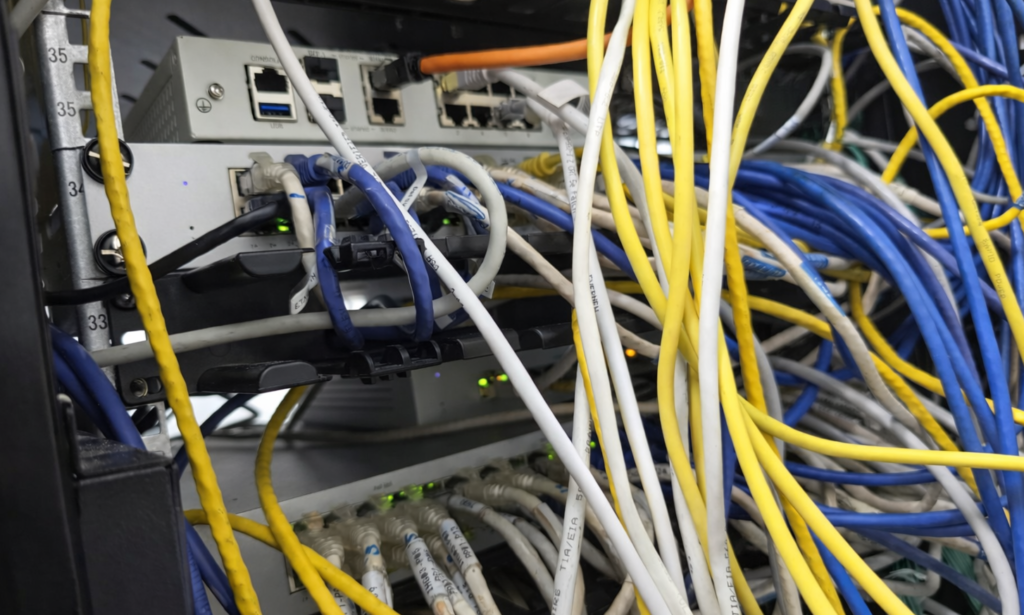
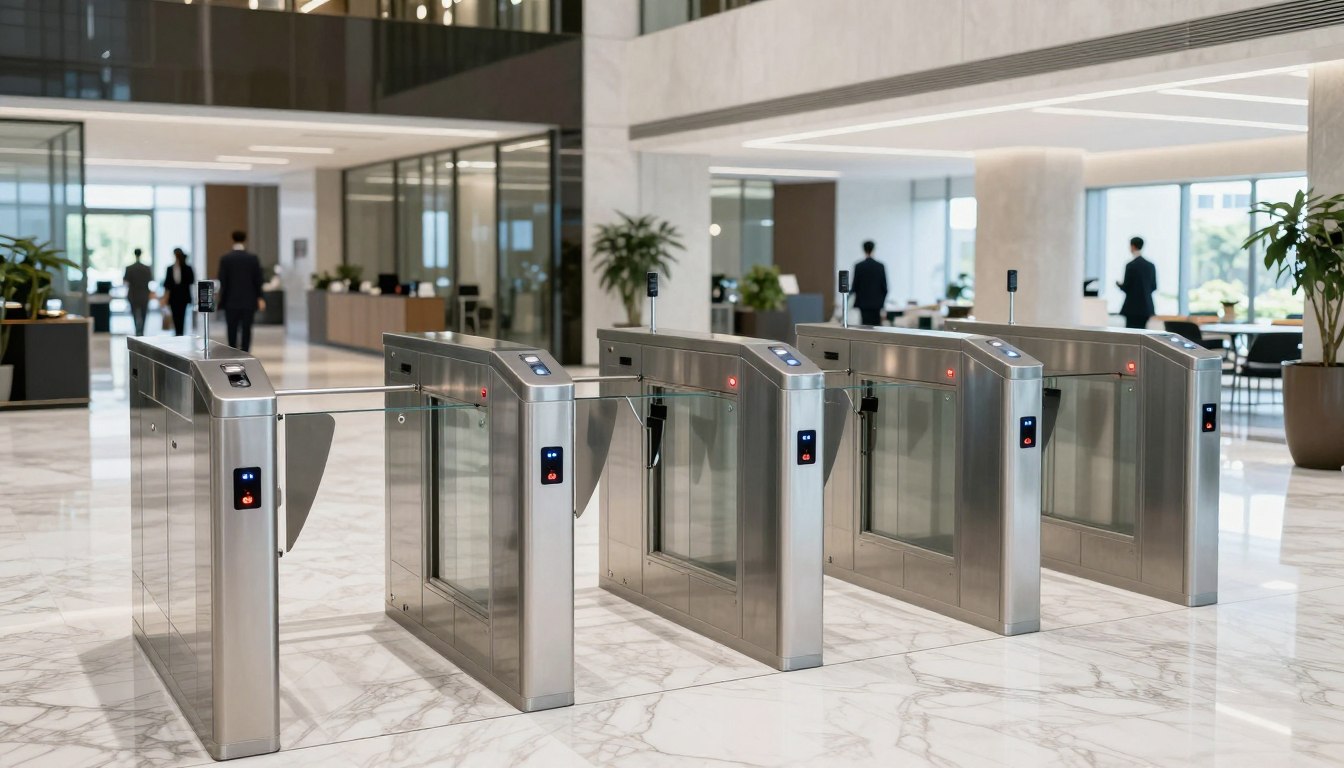
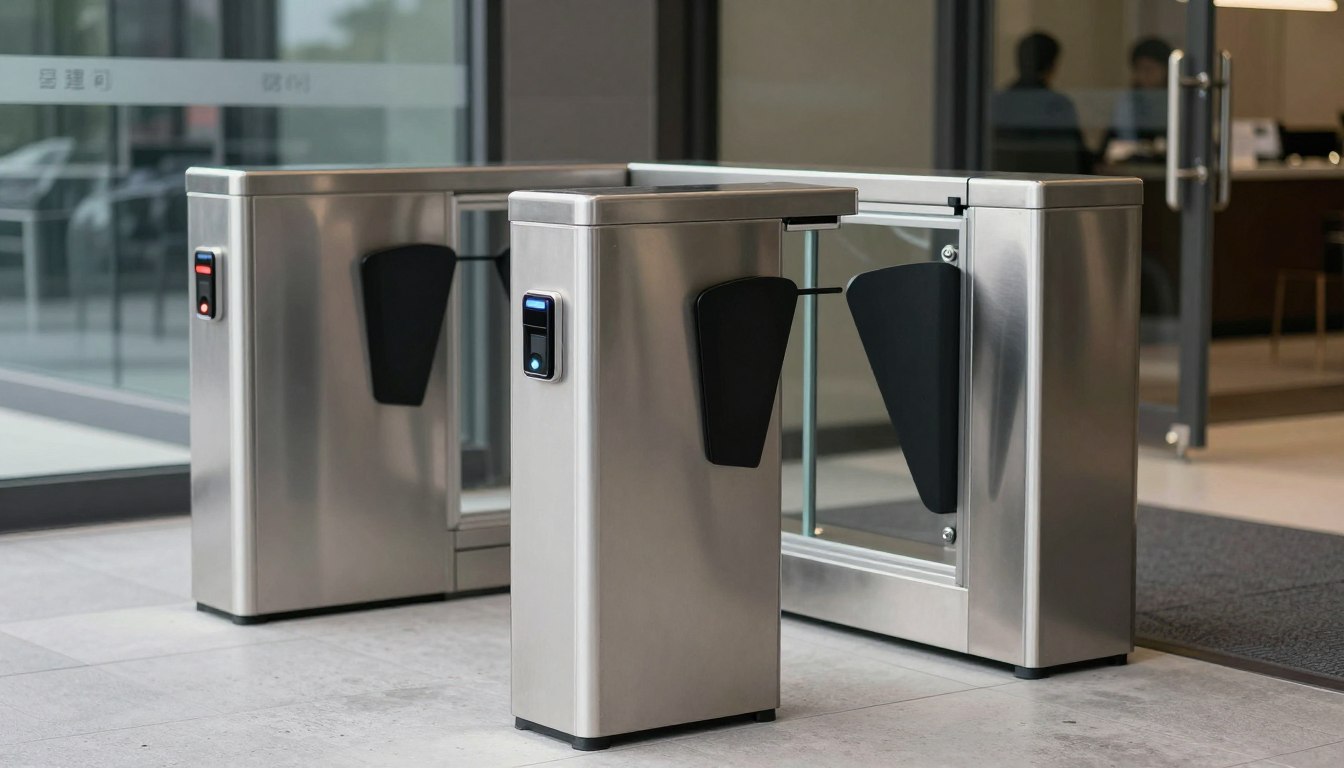
Integrating your IT infrastructure early ensures that cabling, security systems, and network hardware are seamlessly woven into your workspace. This proactive approach prevents unsightly wires and connectivity gaps that often disrupt daily operations. By planning ahead, you create a robust environment that supports your team’s productivity from day one.
Ready to streamline your renovation? Let the experts at I-Weblogic handle the technical complexities while you focus on your core business goals. Contact us today at +65 87827613 or email info@i-weblogic.com to discuss your project requirements. We specialize in delivering reliable solutions tailored to your specific needs.
Key Takeaways
- Early integration of technology prevents costly and disruptive retrofitting.
- A well-planned IT infrastructure supports long-term business scalability.
- Professional planning ensures that security and connectivity are built into the design.
- Outsourcing technical setup allows business owners to focus on growth.
- Contacting experts early streamlines the entire HDB office fit-out process.
Understanding HDB Office Fit-out
Many business owners underestimate the complexity involved in converting a raw HDB unit into a professional workspace. Transforming a commercial space requires a clear vision that balances aesthetic appeal with operational efficiency.
What is HDB Office Fit-out?
An HDB office fit-out refers to the process of making an interior space suitable for occupation. This typically begins with a bare unit renovation, where the space is essentially a blank canvas consisting of concrete floors and walls.
The scope of work involves installing partitions, flooring, lighting, and essential utility connections. It is the critical bridge between acquiring a raw property and establishing a functional, high-performance business environment.
Key Benefits of Office Fit-outs
Investing in a professional office fit-out provides tangible advantages that extend beyond simple visual improvements. A well-planned layout directly influences how your team interacts and performs on a daily basis.
Consider these primary benefits of a strategic renovation:
- Enhanced Productivity: Optimized spatial planning reduces distractions and improves workflow efficiency.
- Stronger Brand Identity: Custom interiors reflect your company culture and values to both clients and employees.
- Space Optimization: Tailored designs ensure that every square foot of your commercial unit is utilized effectively.
Common Misconceptions
One of the most frequent errors during a bare unit renovation is the assumption that the process is purely cosmetic. Many owners fail to account for the technical infrastructure required to support modern business operations, leading to costly delays.
Another common mistake is underestimating the budget for hidden costs, such as electrical upgrades or fire safety compliance. An HDB office fit-out requires rigorous planning to avoid these pitfalls and ensure the project remains on schedule.
By viewing an office fit-out as a long-term investment rather than a one-time expense, you can better manage your resources. Proper preparation is the key to transforming a standard commercial unit into a dynamic asset for your organization.
Importance of IT Infrastructure in Fit-outs
A successful workspace transformation begins with the digital backbone of your business. While aesthetic choices often dominate the planning phase, the underlying IT infrastructure serves as the silent engine that powers every daily operation.
Neglecting these technical requirements during a bare unit renovation can lead to costly disruptions later. When you build from a blank slate, you have the unique opportunity to integrate connectivity seamlessly into the walls and floors of your new office.
What is IT Infrastructure?
At its core, this framework encompasses the physical and virtual resources required to operate an enterprise. It includes everything from server racks and cabling to high-speed network switches and wireless access points.
Reliability is the primary goal of a well-designed system. By investing in robust hardware and structured cabling during the initial construction, you ensure that your team remains connected without the frustration of frequent downtime or signal dead zones.
How IT Infrastructure Supports Company Objectives
A scalable digital foundation allows your business to grow without technical constraints. When your office design accounts for future hardware upgrades, you avoid the need for invasive renovations as your headcount increases.
Strategic planning during a bare unit renovation ensures that your technology aligns with your long-term goals. The following table highlights the difference between a basic setup and a future-proofed approach to your office environment.
| Feature | Basic Setup | Scalable Infrastructure |
|---|---|---|
| Cabling | Limited capacity | Future-ready fiber optics |
| Network Speed | Standard bandwidth | High-speed enterprise grade |
| Maintenance | Reactive repairs | Proactive monitoring |
| Scalability | Difficult to expand | Modular and flexible |
Ultimately, prioritizing your IT infrastructure is a commitment to operational excellence. By integrating these systems early, you create a stable environment that supports both current productivity and future innovation.
Planning Your HDB Office Fit-out
A successful HDB office fit-out begins long before the first wall is painted. Strategic planning serves as the foundation for any high-quality workspace transformation. By establishing a clear roadmap, you ensure that every design choice serves a specific business purpose while keeping the project on track.
Setting Objectives for the Fit-out
Defining your goals is the most critical step in the early stages of an office fit-out. You must identify how your space will support daily operations and long-term growth. Consider whether your primary focus is on collaborative zones, private workstations, or a hybrid model that accommodates both.
Clear objectives help you communicate your vision to contractors and designers effectively. When your goals are well-defined, you minimize the risk of scope creep and ensure the final result aligns with your company culture. Focus on these key areas:
- Improving employee productivity through ergonomic design.
- Enhancing brand identity within the physical workspace.
- Optimizing floor space for better traffic flow and accessibility.
Budget Considerations
Effective financial management is essential to avoid common pitfalls during your renovation. You should allocate funds carefully between interior aesthetics and the underlying technical infrastructure. Prioritizing your IT needs early prevents costly retrofitting later in the process.
Many business owners make the mistake of overspending on finishes while neglecting the digital backbone of the office. A balanced budget ensures that your HDB office fit-out remains functional and future-proof. Use the following table to categorize your primary expenditure areas for better oversight.
| Category | Primary Focus | Budget Priority |
|---|---|---|
| Technical Infrastructure | Cabling, Servers, Security | High |
| Interior Design | Furniture, Lighting, Layout | Medium |
| Contingency Fund | Unforeseen Repairs, Permits | High |
| Office Amenities | Breakroom, Decor, Signage | Low |
By maintaining a disciplined approach to your office fit-out budget, you protect your company from financial strain. Always set aside a contingency fund to handle unexpected challenges that may arise during construction. This proactive strategy ensures your project stays within the projected financial scope while delivering a professional environment.
Identifying Your IT Needs
A successful office transformation starts with a deep dive into your existing digital framework. Before you move furniture or paint walls, you must understand the backbone of your daily operations. This audit prevents costly mistakes and ensures your new space supports your business goals effectively.
Assessing Current IT Infrastructure
Begin by documenting every piece of hardware and software currently in use. You should identify which systems are nearing their end-of-life and which components still provide value. This IT infrastructure audit helps you decide what to keep, upgrade, or replace entirely.
Look for common bottlenecks that slow down your team during peak hours. If your current server room is cramped or your cabling is outdated, now is the perfect time to address these issues. Efficiency is the primary goal of this assessment phase.
Future-Proofing Your IT Setup
Planning for growth is just as important as fixing current problems. You should implement scalable solutions that can handle an increase in staff or data demands over the next few years. This proactive mindset saves you from performing disruptive upgrades shortly after your renovation is complete.
A critical component of this strategy is wireless network planning. As more devices connect to your network, you need a robust layout that eliminates dead zones across the entire office floor plan. Proper placement of access points ensures seamless connectivity for every employee, regardless of where they sit.
| Feature | Legacy Setup | Future-Proofed Setup |
|---|---|---|
| Network Capacity | Limited/Static | Scalable/High-Density |
| Connectivity | Wired-Heavy | Optimized Wireless |
| Maintenance | Reactive Repairs | Proactive Monitoring |
| Hardware Lifecycle | Short/Frequent Upgrades | Long-Term Modular Design |
Choosing the Right IT Solutions
Building a robust digital foundation starts with choosing the right hardware and software for your unique workspace. When moving into a new HDB office, the technology you select will dictate your daily productivity and long-term scalability. Strategic planning at this stage prevents costly retrofitting later.
Types of IT Solutions for Businesses
A successful office setup requires a blend of reliable hardware and scalable software. Effective wireless network planning is essential to ensure that every corner of your office maintains a strong, consistent connection for all team members.
Beyond connectivity, you must consider the physical housing of your equipment. A professional server rack setup is vital for maintaining hardware health. Proper placement ensures that your servers remain secure while benefiting from adequate airflow and ventilation to prevent overheating.
Cloud vs. On-Premises Solutions
Deciding between cloud services and local hardware depends on your specific data security and accessibility needs. Many Singaporean businesses now prefer hybrid models that balance the flexibility of the cloud with the control of local systems.
| Feature | Cloud Solutions | On-Premises |
|---|---|---|
| Accessibility | High (Remote access) | Limited (Local network) |
| Maintenance | Managed by provider | Managed by internal IT |
| Security | Shared responsibility | Full internal control |
Cloud solutions offer unmatched agility for growing teams, allowing you to scale resources instantly. However, on-premises hardware provides a sense of ownership and data sovereignty that some industries require. Careful wireless network planning remains a priority regardless of where your data lives, as it serves as the backbone of your internal communications.
Finally, remember that your server rack setup should be designed with future growth in mind. By choosing the right technology today, you ensure that your office remains a high-performance environment for years to come.
Integrating IT with Office Design
A successful office fit-out balances high-performance IT systems with a clean, professional workspace design. When technology is integrated thoughtfully, it supports your daily operations without cluttering the visual environment. This harmony between form and function is essential for modern Singaporean businesses aiming to maintain a competitive edge.
Designing for Flexibility
Modern workspaces must adapt to changing team sizes and evolving operational needs. By choosing modular furniture and open-plan layouts, you create a space that grows alongside your company. Flexibility is the cornerstone of a future-proof office, allowing for quick reconfigurations without the need for major structural overhauls.
When planning your layout, consider the following benefits of a flexible design:
- Increased agility for project-based teams.
- Optimized use of square footage in high-rent areas.
- Seamless integration of new hardware as your team expands.
Ensuring Accessibility
Technical performance relies heavily on the quality of your underlying infrastructure. Proper office cabling is vital to keep your workspace organized while ensuring high-speed connectivity reaches every desk. By utilizing raised floors or ceiling-mounted conduits, you can keep wires hidden from view while maintaining easy access for maintenance.
Prioritizing accessibility means that your employees can connect to essential resources without physical or technical barriers. Reliable connectivity should be a standard feature, not an afterthought. When you invest in professional office cabling, you reduce the risk of downtime and ensure that your team remains productive throughout the workday.
Ultimately, the goal is to create an environment where technology works silently in the background. By hiding the complexity of your IT setup, you provide your staff with a clean, focused, and efficient place to work. This strategic approach to design ensures that your office remains a functional asset for years to come.
Collaborating with Professionals
Professional collaboration serves as the cornerstone of any high-quality office renovation project in Singapore. Navigating the complexities of a commercial space requires a team that understands both aesthetic design and functional requirements. By working with seasoned experts, you ensure that every phase of your project remains on track and within your established parameters.
Finding the Right Fit-out Partner
Selecting the right partner is a critical decision that influences the long-term success of your workspace. You should look for firms that demonstrate a deep understanding of local building regulations and HDB requirements. A reliable partner will prioritize clear communication and transparency throughout the entire renovation process.
When vetting potential contractors, examine their portfolio for similar projects. Ask for references to verify their ability to meet deadlines and manage budgets effectively. A strong partner acts as an extension of your team, helping you avoid common pitfalls that often lead to costly delays.
The Role of IT Consultants
Technical infrastructure is often the most challenging aspect of a modern office setup. IT consultants provide the specialized knowledge needed to oversee complex tasks like office cabling and the installation of advanced security systems. These professionals ensure that your network architecture meets strict industry standards for performance and safety.
By involving experts early, you can prevent future connectivity issues that disrupt daily operations. Proper office cabling is essential for maintaining a clean, organized, and high-speed digital environment. Relying on specialists allows you to focus on your core business goals while they handle the technical heavy lifting.
Ready to get your new HDB office fit-out started with a professional IT and infrastructure partner? Contact I-Weblogic today to discuss your project requirements. You can reach us via phone or WhatsApp at +65 87827613 or email us at info@i-weblogic.com. Let us handle your cabling, security systems, and IT setup while you focus on growing your business.
Importance of Collaboration in Design
Successful office fit-outs in Singapore rely heavily on the synergy between design teams and technical experts. When interior designers and IT specialists work in isolation, the final workspace often suffers from poor connectivity or awkward hardware placement. Bringing these groups together from the start ensures that your office is both beautiful and highly functional.
Involving IT Personnel Early
Many project delays occur because network requirements are considered only after the floor plan is finalized. By involving your IT team during the initial conceptual phase, you can identify potential conflicts between architectural features and necessary hardware locations. Proactive planning prevents costly structural changes later in the process.
For example, placing a server room behind a decorative wall might look great, but it could severely restrict airflow and maintenance access. Early input from technical staff ensures that cabling, cooling, and power requirements are integrated into the design blueprints. This foresight saves time and keeps your project budget on track.
Efficient Communication Among Teams
Maintaining a clear flow of information is vital when managing diverse teams like contractors, designers, and IT consultants. Breaking down organizational silos allows for a more cohesive project environment where everyone understands the shared goals. Regular, structured meetings help keep all stakeholders aligned with the project timeline.
Using shared digital platforms for document management can further enhance transparency across departments. When every team member has access to the latest floor plans and technical specifications, the risk of miscommunication drops significantly. This collaborative approach fosters a workspace that supports your company’s long-term technological needs.
| Project Aspect | Siloed Approach | Collaborative Approach |
|---|---|---|
| Timeline | Frequent delays due to rework | Streamlined and on schedule |
| IT Integration | Hardware added as an afterthought | Seamlessly built into the design |
| Budget | High risk of unexpected costs | Predictable and controlled |
| Team Morale | Frustration and misaligned goals | High engagement and shared vision |
Sustainability in Office Fit-outs
Building a greener future starts with the strategic decisions made during your initial office fit-out phase. Modern companies in Singapore now recognize that environmental responsibility is a key pillar of corporate success. By prioritizing sustainable design, businesses can create workspaces that are both efficient and environmentally conscious.
Eco-Friendly IT Solutions
Selecting the right hardware is a critical step in creating a sustainable workspace. Many organizations are now opting for Energy Star-rated equipment to minimize their environmental impact. These devices consume significantly less power while maintaining high performance levels for daily operations.
Beyond hardware, implementing cloud-based services reduces the need for bulky, energy-intensive on-site servers. This shift not only supports a cleaner environment but also provides greater flexibility for your team. Integrating these solutions into your office fit-out ensures that your technology footprint remains as small as possible.
Reducing Energy Consumption
Smart technology plays a vital role in lowering daily energy usage. Automated power management systems can detect when a workspace is unoccupied and shut down non-essential devices. This simple, automated approach prevents unnecessary energy waste during evenings and weekends.
Investing in energy-efficient infrastructure leads to substantial long-term cost savings. Companies that focus on these improvements often see a reduction in utility bills within the first year of operation. The following table highlights the differences between traditional and sustainable IT setups.
| Feature | Traditional Setup | Sustainable Setup |
|---|---|---|
| Power Management | Manual control | Automated sensors |
| Hardware Lifecycle | Frequent replacement | Long-lasting, efficient |
| Energy Usage | High consumption | Optimized efficiency |
| Operational Cost | Higher long-term | Lower long-term |
By choosing an office fit-out that emphasizes energy efficiency, you align your business with modern social responsibility standards. These choices demonstrate a commitment to the planet while keeping your operational budget in check. Sustainability is truly the smartest path forward for any growing enterprise.
Budgeting for IT Infrastructure
Financial planning for your HDB office fit-out is incomplete without a deep dive into IT expenses. Many business owners focus heavily on furniture and aesthetics, often overlooking the digital backbone that keeps the company running. Strategic budgeting ensures that your technology remains reliable as your business scales.
Long-Term vs. Short-Term Costs
When planning your renovation, you must distinguish between immediate installation fees and ongoing maintenance requirements. Choosing low-cost hardware might save money today, but it often leads to frequent repairs and system downtime later. A high-quality server rack setup is a prime example of an investment that pays dividends through improved airflow, cable management, and hardware longevity.
Investing in robust equipment reduces the risk of overheating and physical damage to your sensitive components. While the upfront price tag for premium gear is higher, the total cost of ownership is significantly lower over five years. Prioritizing quality now prevents the need for expensive emergency upgrades or replacements down the road.
Financing Options for Fit-outs
Managing the cash flow impact of an office renovation is a common concern for small and medium enterprises in Singapore. Fortunately, several financing options exist to help distribute these costs over time. Equipment leasing is a popular choice, as it allows you to acquire necessary technology without a massive initial capital outlay.
Some businesses also opt for specialized business loans or government-backed grants designed to support digital transformation. These financial tools help you maintain liquidity while ensuring your office is equipped with modern infrastructure. Carefully reviewing your server rack setup and other hardware needs allows you to choose a financing plan that aligns with your long-term growth strategy.
| Investment Category | Short-Term Focus | Long-Term Focus | Financial Impact |
|---|---|---|---|
| Hardware Quality | Budget-friendly parts | Premium server rack setup | High maintenance vs. Low maintenance |
| Payment Method | Full cash payment | Leasing or installment plans | Immediate vs. Spread cash flow |
| Maintenance | Reactive repairs | Proactive monitoring | Unpredictable vs. Fixed costs |
Post-Fit-out Evaluation
Once the dust settles on your office renovation, the real work of optimization begins. A formal review process ensures that your new environment supports your business goals effectively. By analyzing performance data, you can confirm that your IT infrastructure provides the stability your team requires to thrive.
Measuring IT Infrastructure Efficiency
The first step in your evaluation involves tracking technical performance metrics. You should monitor network latency and bandwidth consistency to ensure your IT infrastructure handles daily traffic without bottlenecks. Consistent system uptime analysis is equally vital to prevent productivity losses.
If you notice frequent drops in connectivity, investigate the physical cabling and hardware placement. These minor adjustments often resolve significant performance gaps. Maintaining a high-performing IT infrastructure is essential for long-term operational success in any Singaporean office setting.
Gathering Employee Feedback
Technical data only tells half the story of your office performance. You must also engage with your staff to understand how the new layout impacts their daily workflows. Anonymous surveys often reveal usability issues that automated systems might miss.
Ask your team about their access to power outlets, Wi-Fi signal strength in meeting rooms, and the ease of connecting peripheral devices. This qualitative feedback allows you to make targeted improvements that boost morale and efficiency. When employees feel heard, they are more likely to adapt quickly to the new workspace.
| Evaluation Metric | Target Goal | Method of Collection |
|---|---|---|
| Network Latency | Below 20ms | Automated Monitoring |
| System Uptime | 99.9% or higher | Server Logs |
| IT Infrastructure Satisfaction | Above 85% | Employee Surveys |
| Hardware Accessibility | High Ease of Use | Direct Observation |
Future Trends in HDB Office Fit-out
The landscape of work continues to shift as digital tools become more sophisticated. Planning a successful HDB office fit-out requires a forward-thinking mindset that anticipates these changes.
Emerging Digital Innovations
Smart sensors and automated climate controls are becoming standard in modern workspaces. These tools optimize energy usage while creating a comfortable environment for your team. Integrating these systems during your HDB office fit-out ensures your business remains efficient and sustainable.
Supporting Hybrid Work Environments
Physical offices now serve as hubs for collaboration rather than just desks for individual tasks. Your HDB office fit-out should prioritize high-speed connectivity and flexible meeting spaces to support remote team members. This approach keeps your company agile in a competitive market.
Ready to get your new HDB office fit-out started with a professional IT and infrastructure partner? Contact I-Weblogic today to discuss your project requirements. Reach out via phone or WhatsApp at +65 87827613 or send an email to info@i-weblogic.com. Let us handle your cabling, security systems, and IT setup while you focus on growing your business. Staying ahead of these trends ensures your office remains a productive asset for years to come.
FAQ
Why should IT infrastructure be the priority during an HDB office fit-out?
Prioritizing your IT infrastructure from the very beginning prevents the need for costly and disruptive retrofitting after the construction is complete. By engaging a professional partner like I-Weblogic during the early stages of a bare unit renovation, you ensure that high-speed connectivity and hardware requirements are seamlessly integrated into the office design, allowing you to focus on your core business operations immediately upon move-in.
What is the difference between a bare unit renovation and a full office fit-out?
A bare unit renovation typically involves transforming an empty commercial shell into a functional space with basic utilities. An HDB office fit-out is a more comprehensive process that includes the customization of the layout, interior design, and the installation of critical technical systems like office cabling and security systems to ensure the workspace meets specific operational needs and brand identity.
How does wireless network planning benefit a modern office layout?
Professional wireless network planning ensures that there are no dead zones or connectivity issues within your new office. By analyzing your floor plan and identifying potential interference, I-Weblogic can strategically place access points to provide seamless, high-speed internet coverage for all employees, which is essential for supporting mobile devices and collaborative work environments.
What are the key considerations for a professional server rack setup?
A proper server rack setup must account for physical security, organized cable management, and adequate ventilation to prevent hardware from overheating. It is vital to house your networking equipment in a secure environment that allows for easy maintenance and scalability as your company’s data needs grow.
Why is structured office cabling important for aesthetic and functional design?
Structured office cabling provides a tidy, organized way to manage the vast network of wires required for workstations, printers, and servers. By planning your office cabling early, you can hide wires within walls or under floors, maintaining a clean aesthetic while ensuring every part of the office has reliable access to the central IT infrastructure.
How can I-Weblogic help future-proof my office technology?
A: I-Weblogic specializes in identifying scalable IT solutions that grow with your business. Whether you are choosing between cloud-based or on-premises solutions, their consultants assist with wireless network planning and infrastructure audits to ensure your systems can handle future technological advances and shifts toward hybrid work models. You can reach them at +65 87827613 or via email at info@i-weblogic.com.
What role do IT consultants play in the renovation process?
IT consultants act as the bridge between your business goals and the technical execution of the project. They collaborate with interior designers and contractors to ensure that office cabling, power points, and server rack setups are positioned correctly. This collaboration ensures that the final design is both visually appealing and technically optimized for maximum efficiency.
Can a sustainable office fit-out also improve IT efficiency?
Yes, incorporating eco-friendly IT infrastructure can significantly reduce energy consumption and operational costs. By selecting energy-efficient hardware and implementing smart systems that manage power usage during non-working hours, businesses can create a more sustainable HDB office fit-out that aligns with modern corporate social responsibility standards.
How do I measure the success of my IT infrastructure after the fit-out is complete?
Post-fit-out evaluation involves measuring system uptime, network speed, and overall IT infrastructure efficiency. It is also important to gather employee feedback to ensure that the wireless network planning and hardware placements meet their daily operational needs. I-Weblogic can assist in these evaluations to fine-tune your systems for peak performance.
What is the best way to start my HDB office fit-out project with I-Weblogic?
You can start your project by contacting I-Weblogic at +65 87827613 for a consultation. Their team of experts can manage everything from your bare unit renovation technical requirements to office cabling and security systems, ensuring your new office is ready for the future of work. You may also reach them at info@i-weblogic.com to discuss your specific project objectives.