Moving into a Bare HDB Office? The Essential Infrastructure Checklist
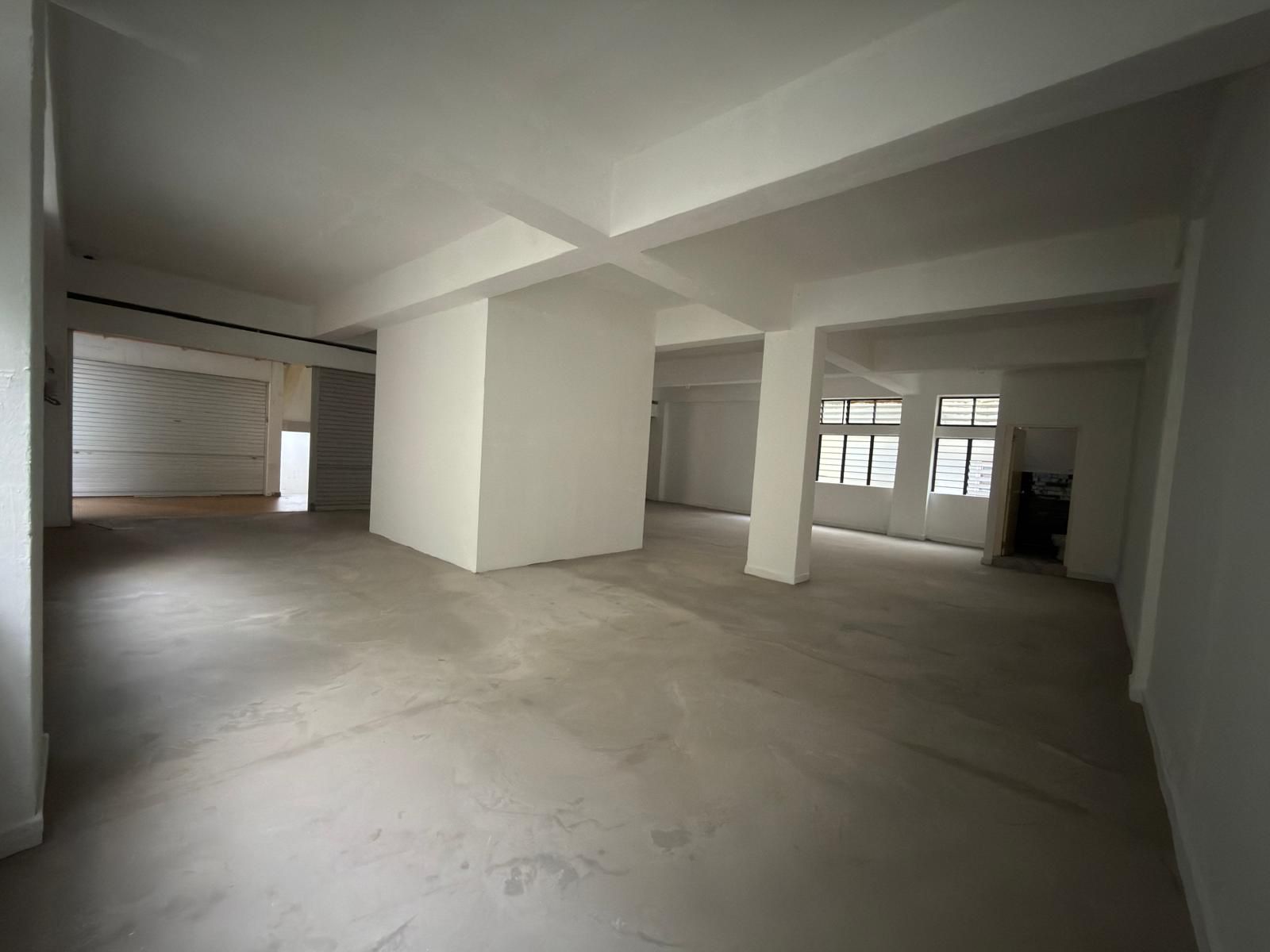
Transitioning your business into a raw commercial space requires meticulous planning to turn an empty shell into a productive environment. Many entrepreneurs underestimate the technical requirements needed to establish a reliable digital foundation in Singapore.
A successful HDB office fit-out demands careful coordination of electrical, networking, and security systems. Without a clear strategy, you risk costly delays and operational downtime that can hinder your growth from day one.
Professional support is vital to navigate these complexities effectively. You can reach out to I-Weblogic at +65 87827613 or email info@i-weblogic.com to discuss your specific project requirements. Our team ensures your new workspace meets all necessary standards for a seamless transition.
Key Takeaways
- Prioritize early infrastructure planning to avoid common setup pitfalls.
- Engage professional IT partners to ensure your workspace meets operational standards.
- Focus on scalable networking solutions for long-term business growth.
- Contact I-Weblogic for expert guidance on your commercial premises transition.
- Maintain compliance with local building regulations throughout your renovation process.
Understanding HDB Office Fit-Outs
Navigating the complexities of an office fit-out begins with defining the scope of your project. Transforming a raw HDB unit into a functional workspace requires a clear understanding of the renovation process and the specific needs of your team.
What is an HDB Office Fit-Out?
An office fit-out refers to the process of making an interior space suitable for occupation. It involves taking a bare shell and installing the necessary infrastructure, partitions, and finishes to support your daily business activities.
This process ensures that your unit meets both safety standards and your unique operational requirements. Without a structured approach, you risk creating a space that fails to support your staff or your long-term business goals.
Types of Fit-Outs: Cat A vs. Cat B
Distinguishing between different levels of work is essential for managing your budget and timeline. Industry standards typically categorize these projects into two distinct types.
| Feature | Cat A (Shell) | Cat B (Customized) |
|---|---|---|
| Scope | Basic building shell | Full interior design |
| Focus | Infrastructure | Brand identity |
| Outcome | Ready for fit-out | Ready for work |
A Cat A office fit-out usually covers the basic building elements like ceiling grids, raised floors, and essential mechanical systems. In contrast, a Cat B project focuses on the specific layout, including office partitions, furniture, and aesthetic finishes that reflect your company culture.
Why Proper Fit-Out Matters
Investing time in the planning phase prevents costly rework and ensures your office is ready for immediate use. A well-executed office fit-out directly impacts employee productivity and overall business efficiency.
By aligning your physical environment with your operational needs, you create a space that fosters growth. Proper planning at this stage is the most effective way to avoid delays and ensure your HDB office serves your business for years to come.
Initial Planning Steps for Your Fit-Out
Successful office transformations start long before the first hammer swings. A structured approach ensures that your office fit-out remains organized, cost-effective, and aligned with your long-term business goals.
Setting Your Budget
Establishing a realistic financial plan is the most critical phase of your project. You must account for construction costs, professional fees, and a contingency fund for unexpected expenses.
Prioritize essential features that drive productivity while trimming non-essential aesthetic upgrades. Maintaining strict financial discipline prevents scope creep and keeps your office fit-out within the desired investment range.
Identifying Your Needs and Requirements
Before selecting materials, define exactly how your team will use the space. Consider factors like headcount growth, the need for private meeting rooms, and the demand for collaborative zones.
Documenting these functional requirements early helps designers create a layout that supports your daily operations. A clear vision ensures that every square foot of your new office fit-out serves a specific purpose.
Creating a Project Timeline
A well-defined schedule keeps all stakeholders accountable and minimizes downtime. Break the project into manageable phases, such as design approval, permit acquisition, and the actual construction period.
Regular check-ins help you monitor progress against key milestones. This proactive management style reduces stress and ensures your office fit-out reaches completion on time.
| Planning Phase | Primary Goal | Key Stakeholder |
|---|---|---|
| Budgeting | Define financial limits | Finance Department |
| Requirement Analysis | Map functional needs | Department Heads |
| Timeline Scheduling | Set critical milestones | Project Manager |
Choosing the Right Design and Layout
Your choice of office layout dictates how your team interacts and performs daily. A thoughtful office fit-out balances aesthetic appeal with functional efficiency to create a space where your team can truly thrive.
Open Space vs. Closed Offices
Deciding between an open-plan layout and private offices depends on your company’s unique workflow. Open spaces often encourage transparency and quick communication, which can be vital for creative teams.
- Open-plan: Promotes collaboration and maximizes natural light.
- Private offices: Provide necessary focus for deep, analytical work.
- Hybrid models: Offer the best of both worlds by combining quiet zones with communal areas.
Many modern businesses in Singapore now prefer a hybrid approach to accommodate diverse work styles. This flexibility ensures that your office fit-out remains relevant as your team grows.
Collaborative Spaces and Break Rooms
Innovation rarely happens in isolation. Integrating dedicated collaborative zones allows employees to brainstorm and solve problems away from their desks.
“The physical environment of an office is a silent partner in the success of any business strategy.”
— Workplace Design Expert
Break rooms also serve as essential hubs for social interaction. These areas help reduce stress and foster a stronger sense of community within the workplace.
Ergonomics and Employee Well-being
Investing in high-quality, ergonomic furniture is a non-negotiable aspect of a professional office fit-out. Proper chairs and adjustable desks prevent long-term health issues and boost daily comfort.
When employees feel physically supported, their focus and morale improve significantly. Prioritizing ergonomic design is not just a luxury; it is a commitment to the long-term health of your most valuable asset: your people.
Essential Infrastructure Elements
The hidden backbone of your workspace determines how efficiently your team operates daily. While aesthetics draw visitors in, the underlying systems ensure your business runs without interruption. Investing in high-quality technical foundations early prevents costly retrofitting later.
Electrical and Lighting Considerations
A reliable power supply is the foundation of every productive office. You must ensure your electrical layout supports your current hardware while allowing for future expansion. Modern LED lighting solutions not only reduce energy costs but also improve employee focus by providing consistent, flicker-free illumination.
HVAC Systems for Comfort
Singapore’s tropical climate makes a high-performing HVAC system non-negotiable for any office environment. Proper air circulation prevents humidity buildup and keeps your staff comfortable throughout the workday. Consistent temperature control is essential for maintaining both equipment health and employee morale.
Internet and Network Connectivity
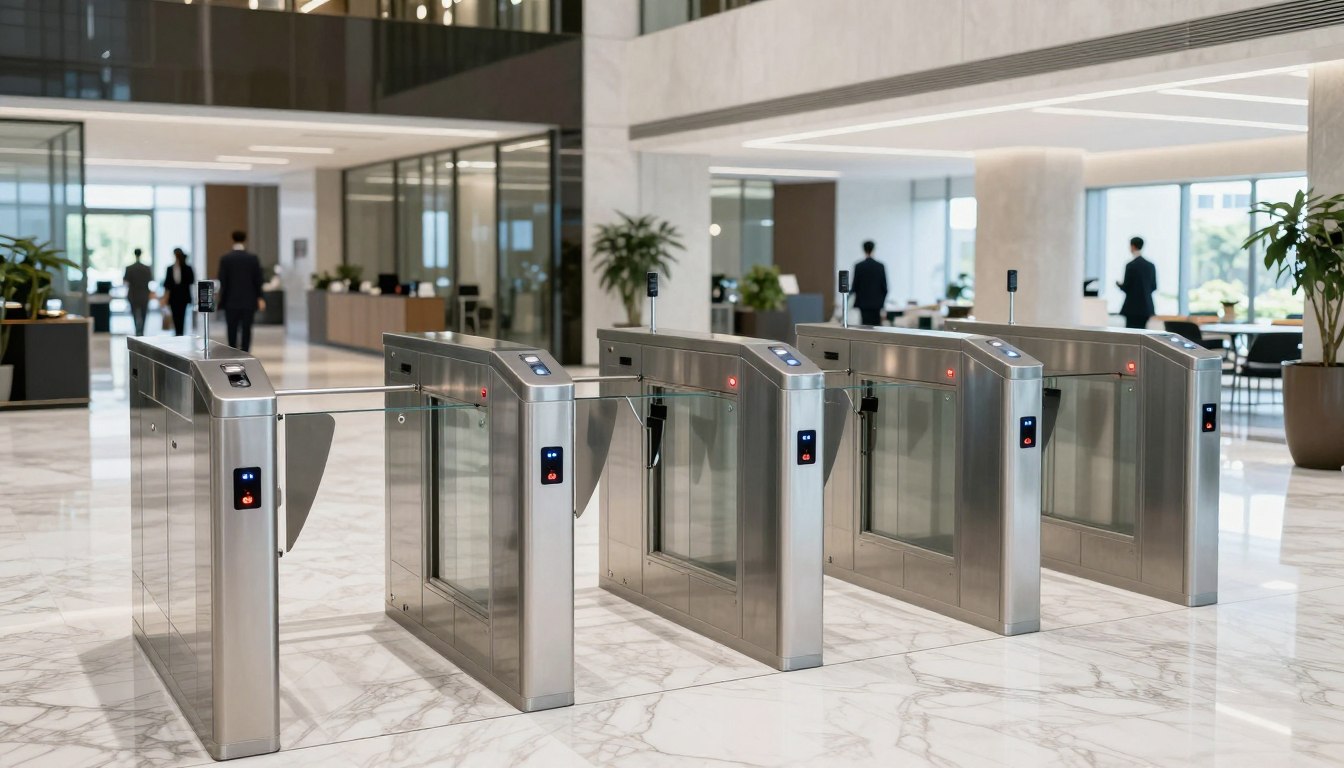
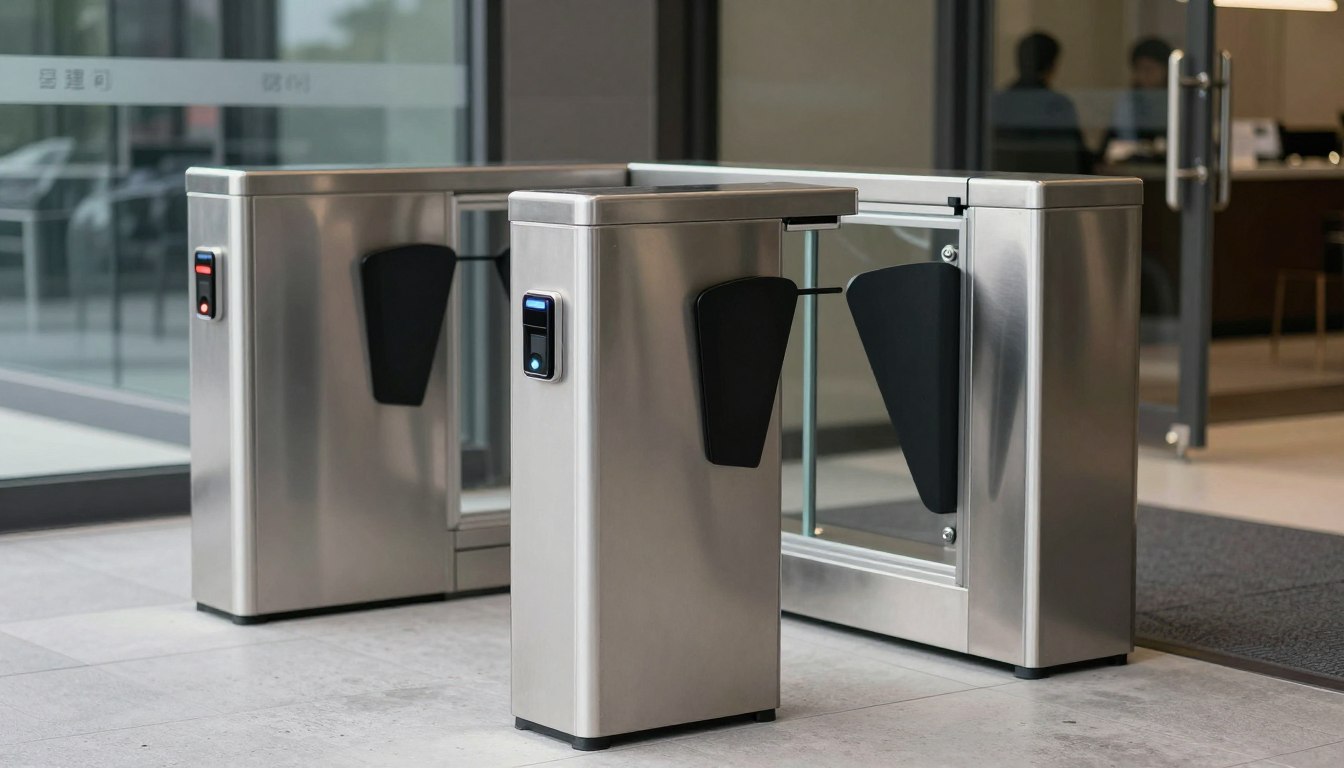
A robust IT infrastructure is the heartbeat of your digital operations. Professional network cabling ensures high-speed data transfer and minimizes downtime during critical business hours. Furthermore, integrating a secure CCTV installation and a reliable door access system protects your physical assets and sensitive data.
Managing these complex technical requirements can be overwhelming for business owners. Let I-Weblogic handle your cabling, security systems, and IT setup while you focus on growing your business. You can reach our team at +65 87827613 or via email at info@i-weblogic.com to discuss your specific needs.
| Infrastructure Component | Primary Benefit | Maintenance Frequency |
|---|---|---|
| Electrical Systems | Operational Continuity | Annual Inspection |
| HVAC Units | Thermal Comfort | Quarterly Servicing |
| Network Cabling | Data Speed & Stability | As Needed |
| Security Systems | Asset Protection | Bi-annual Audit |
Selecting Materials and Finishes
Selecting the right materials is the foundation of a successful HDB office renovation. The finishes you choose impact both the long-term longevity of your space and its immediate visual appeal. By prioritizing quality, you ensure that your workspace remains professional and inviting for years to come.
Sustainable Options for HDB Offices
Modern businesses in Singapore are increasingly turning toward eco-friendly building solutions. Incorporating sustainable materials reduces your environmental footprint while often improving indoor air quality. Consider using bamboo flooring, recycled metal partitions, or low-VOC paints to create a healthier environment for your team.
These choices demonstrate a commitment to corporate social responsibility. Many suppliers now offer certified green products that meet local building standards. Investing in these materials during your HDB office renovation can also lead to long-term energy savings and reduced maintenance costs.
Durability and Maintenance Factors
High-traffic areas require materials that can withstand daily wear and tear. Choosing surfaces that are easy to clean and resistant to scratches is essential for maintaining a polished look. Durable finishes save you money by reducing the need for frequent repairs or replacements.
For flooring, consider heavy-duty vinyl or commercial-grade carpet tiles that handle high foot traffic with ease. Laminate surfaces for desks and cabinetry provide a sleek appearance while remaining highly resistant to stains. Proper material selection ensures your HDB office renovation continues to look brand new despite constant use.
Color Schemes and Branding Opportunities
Your office design serves as a physical representation of your company culture. Using specific color schemes and textures allows you to reinforce your brand identity throughout the workspace. Strategic use of color can influence employee mood and productivity levels significantly.
Integrate your brand colors into accent walls, furniture upholstery, or custom signage. This cohesive approach creates a professional atmosphere that impresses clients and boosts staff morale. A well-planned HDB office renovation aligns your physical environment with your business goals.
| Material Type | Primary Benefit | Maintenance Level | Best Use Case |
|---|---|---|---|
| Commercial Vinyl | High Durability | Low | High-traffic hallways |
| Recycled Laminate | Eco-friendly | Medium | Workstations |
| Low-VOC Paint | Air Quality | Low | Office walls |
| Tempered Glass | Modern Aesthetic | Medium | Meeting rooms |
Collaborating with Professionals
Successful office fit-outs in Singapore rely on the seamless coordination of various specialized contractors. Bringing together the right experts ensures that your vision translates into a functional and compliant workspace. Effective teamwork prevents costly communication gaps during the construction phase.
Finding the Right Fit-Out Contractor
Selecting a reliable contractor is the first step toward a stress-free renovation. You should look for firms with a proven track record in HDB commercial projects. Verify their credentials and request references from previous clients to ensure they meet your quality standards.
Engaging Interior Designers
An interior designer does more than just pick colors and furniture. They optimize your floor plan to maximize productivity and employee comfort. Professional designers balance aesthetic appeal with the practical needs of your daily business operations.
Importance of Project Managers
Project managers act as the central hub for all communication between different teams. They oversee the timeline and ensure that every technical requirement is met on schedule. For your specialized technical needs, contact I-Weblogic at +65 87827613 or info@i-weblogic.com to secure expert IT infrastructure and network cabling services. Their team ensures your digital backbone is robust and ready for business.
| Professional Role | Primary Responsibility | Key Benefit |
|---|---|---|
| Fit-Out Contractor | Physical construction | Structural integrity |
| Interior Designer | Space planning | Enhanced workflow |
| Project Manager | Team coordination | Timeline adherence |
| IT Specialist | Network cabling | Reliable connectivity |
Navigating Legal and Regulatory Requirements
Before you begin your HDB office renovation, you must understand the legal framework governing commercial spaces in Singapore. Proper planning prevents costly delays and ensures your business remains in good standing with local authorities. Taking the time to research these requirements early is a smart investment for any business owner.
Permits and Approvals Needed
Every renovation project within an HDB commercial unit requires specific authorization. You must submit detailed plans to the relevant authorities to ensure that your proposed changes do not compromise the building’s structural integrity.
- Obtain written approval from the HDB branch office before starting any work.
- Ensure all contractors are registered with the Building and Construction Authority (BCA).
- Submit floor plans that clearly indicate all proposed partitions and electrical layouts.
Compliance with Local Building Codes
Adhering to local building codes is mandatory to maintain a safe working environment. These regulations cover everything from electrical load capacities to fire safety protocols. Non-compliance can lead to heavy fines or even the forced removal of your office fit-outs.
Fire safety is a top priority in any commercial setting. You must ensure that your layout allows for clear exit paths and that all materials used meet fire-retardant standards. Regular inspections help verify that your space remains safe for both employees and visitors.
Accessibility Standards
Modern offices must be inclusive and accessible to everyone. Singaporean building codes emphasize the importance of barrier-free design to accommodate individuals with different mobility needs.
When planning your layout, consider the following accessibility features:
- Wide doorways that allow for easy wheelchair access.
- Clear signage that is easy to read and understand.
- Strategic CCTV installation to monitor common areas while respecting privacy laws.
- A secure door access system that provides both safety and ease of entry for authorized personnel.
By prioritizing these standards, you create a professional environment that welcomes all clients and staff. Always consult with a qualified professional to ensure your final design meets all current regulatory expectations.
Budgeting for Your Fit-Out
Transforming a bare space into a functional workspace requires careful financial planning and oversight. A clear strategy ensures that your HDB office fit-out remains aligned with your company’s broader financial goals.
Cost Breakdown of Key Elements
Understanding where your capital goes is the first step toward a successful project. Most renovations involve three primary categories that demand your attention.
| Category | Description | Budget Allocation |
|---|---|---|
| Construction | Partitioning, flooring, and electrical works. | 45% |
| Technology | Network cabling, servers, and security systems. | 25% |
| Furniture | Desks, ergonomic chairs, and storage units. | 30% |
Tips for Staying Within Your Budget
Renovation projects often face unexpected costs that can derail your plans. To maintain control, you must implement strict tracking methods from the very beginning of your HDB office fit-out.
- Set a contingency fund: Always reserve at least 10% to 15% of your total budget for unforeseen site conditions.
- Prioritize essential items: Focus your spending on high-impact areas like lighting and connectivity before splurging on aesthetics.
- Regular audits: Review your expenses weekly to ensure that contractors are sticking to the agreed-upon estimates.
Avoiding common overruns requires constant communication with your project team. Do not hesitate to ask for detailed invoices to verify that every dollar is accounted for during the HDB office fit-out process.
Financial Considerations for Future Growth
Your current office design should support your business as it evolves over the next few years. Investing in modular furniture and flexible layouts can save you significant capital when you need to scale up your team.
Consider the long-term maintenance costs of the materials you select today. Durable finishes might have a higher upfront price, but they often provide better value by reducing the need for frequent repairs during your HDB office fit-out lifecycle.
“A budget is telling your money where to go instead of wondering where it went.”
— Dave Ramsey
Timeline for an HDB Office Fit-Out
Precision in scheduling defines the difference between a smooth move and a chaotic office launch. When you embark on an HDB office fit-out, understanding the time required for each phase helps you align your business operations with your new physical space. Proper planning minimizes downtime and ensures your team remains productive throughout the transition.
Typical Duration of Fit-Out Projects
Most professional projects in Singapore typically span between eight to twelve weeks. This duration accounts for the complexity of the design, the scale of the renovation, and the necessary administrative approvals. Smaller units may finish faster, while larger, more intricate layouts require additional time for specialized installations.
“A goal without a plan is just a wish. In office construction, the schedule is the backbone of your success.”
Milestones to Keep Track Of
Tracking specific milestones is vital to ensure your HDB office fit-out stays on course. You should monitor the progress from the initial design concept through to the final handover. The following table outlines the standard phases of a typical project.
| Project Phase | Estimated Duration | Key Focus |
|---|---|---|
| Design & Planning | 2-3 Weeks | Layout and Material Selection |
| Permit Approvals | 3-4 Weeks | Regulatory Compliance |
| Construction & Fit-Out | 4-6 Weeks | Execution and Installation |
| Final Inspection | 1 Week | Quality Assurance |
Avoiding Common Delays
Delays often stem from unforeseen supply chain disruptions or incomplete permit documentation. To mitigate these risks, ensure your contractor secures all materials well in advance. Proactive communication with local authorities regarding permit applications can also prevent significant bottlenecks.
Maintaining a buffer in your schedule is a smart strategy for any HDB office fit-out. By anticipating potential hurdles, you protect your business from unexpected interruptions. A well-managed timeline ultimately leads to a seamless move-in experience for your entire organization.
Final Preparations Before Moving In
Completing your HDB office renovation is a major milestone that requires a final, meticulous review. Before you unlock the doors for your staff, a series of final checks will guarantee a seamless move-in experience. These last steps ensure that your investment translates into a functional and productive workspace from day one.
Quality Checks and Inspections
Before the official move-in, conducting thorough quality checks and inspections is vital to ensure the HDB office renovation meets all specifications. You should walk through the entire premises with your contractor to identify any minor defects or “snags” that require immediate attention.
Pay close attention to the following areas during your final walkthrough:
- Check that all electrical outlets and light switches are fully functional.
- Verify that paint finishes are consistent and free of scuffs or blemishes.
- Ensure that all doors, cabinets, and drawers open and close smoothly.
- Confirm that safety features, such as fire extinguishers and emergency signage, are correctly installed.
Setting Up Furniture and Equipment
Once the space passes inspection, the focus shifts to the physical setup of your office assets. Proper placement of furniture is essential for maintaining the ergonomic standards you planned during the design phase. Ensure that every desk, chair, and storage unit aligns with your approved floor plan.
Testing your technology infrastructure is equally critical before the team arrives. Verify that all internet ports, Wi-Fi access points, and server racks are operational. Testing your equipment now prevents frustrating downtime during the first week of operations.
Communication with Employees
Clear communication with employees regarding the move-in process helps manage expectations and ensures a smooth transition for the entire team. Providing a detailed move-in guide can alleviate anxiety and help staff prepare for the change in their work environment.
Consider sharing the following information with your team:
- The official move-in date and time.
- Instructions for packing personal items and office equipment.
- A map of the new office layout to help them locate their workstations.
- Details regarding new office policies or building access procedures.
These final preparations are the last hurdle in completing your HDB office renovation successfully. By staying organized and communicative, you set the stage for a positive and efficient start in your new professional home.
Creating a Welcoming Office Culture
Your new office environment serves as a powerful tool to boost morale and foster long-term employee engagement. Transitioning to a new space provides a clean slate to align your physical surroundings with your core company values. By focusing on the human element of the move, you ensure that the transition feels like a positive step forward for everyone involved.
Engaging Employees in the Process
Involving your team in the design phase creates a strong sense of ownership and excitement. When employees contribute ideas regarding their workspace, they feel valued and heard. This is particularly important when planning the layout of your IT infrastructure, as those who use the technology daily often have the best insights into workflow efficiency.
Consider forming a small committee to gather feedback on specific needs. This collaborative approach helps identify potential pain points before the move occurs. Empowering your staff to help shape their environment leads to higher job satisfaction and a smoother transition into the new office.
Importance of Office Aesthetics
The visual appeal of your office plays a significant role in how employees perceive their daily work life. A well-designed space that reflects your brand identity fosters a sense of belonging and professional pride. Thoughtful color schemes and comfortable furniture choices contribute to a welcoming atmosphere that encourages creativity.
Beyond aesthetics, ensure that your IT infrastructure is integrated seamlessly into the design. Cluttered cables and poorly placed hardware can detract from the professional look you aim to achieve. A clean, modern aesthetic combined with functional technology creates a space where your team feels motivated to perform their best work.
Planning a Move-in Celebration
Marking the completion of your fit-out project with a celebration is a vital step in the moving process. It serves as a formal welcome for your team into their new, modern environment. A simple gathering allows everyone to relax and appreciate the effort put into the new space.
Use this time to highlight the features of the office and thank the team for their patience during the transition. A positive launch event sets the tone for the future and helps build lasting team spirit. Below is a summary of strategies to ensure your team feels connected to the new office.
| Strategy | Primary Benefit | Implementation Level |
|---|---|---|
| Team Design Workshops | Increased Ownership | High |
| IT Infrastructure Feedback | Operational Efficiency | Medium |
| Office Warming Event | Boosted Morale | High |
| Branding Integration | Company Identity | Medium |
Post-Move Evaluation and Feedback
Your journey does not end the moment you unlock the doors to your new HDB workspace. A successful office fit-out requires ongoing attention to ensure the environment serves your team effectively as your business evolves.
Gathering Employee Feedback
Direct input from your staff provides the most accurate measure of your workspace success. Use digital surveys or informal meetings to ask about comfort, lighting, and workflow efficiency. This data helps you understand if the current office fit-out meets the daily needs of your workforce.
Assessing the Fit-Out’s Effectiveness
Review your original project goals against the actual performance of the space. Look for patterns in how employees utilize collaborative zones versus quiet areas. This objective analysis confirms if your capital investment delivers the expected productivity gains.
Planning for Future Improvements
Business requirements change rapidly in the Singapore market. Keep a log of requested modifications to address during future maintenance cycles. Proactive planning ensures your office fit-out remains a flexible asset that supports long-term growth and employee satisfaction.
FAQ
What is the primary difference between a Cat A and a Cat B office fit-out for HDB units?
A Cat A office fit-out generally refers to the basic finishing of the interior space provided by the developer or landlord, including essential mechanical and electrical services. In contrast, a Cat B fit-out is a comprehensive HDB office renovation that transforms the shell into a move-in-ready workspace, including internal partitioning, furniture, and customized IT infrastructure tailored to your company’s operational requirements.
Why is it important to engage professional partners like I-Weblogic for IT infrastructure during a renovation?
Modern businesses rely on seamless connectivity, and attempting to manage technical setups without expertise can lead to significant downtime. By partnering with I-Weblogic, you ensure that complex tasks such as network cabling, hardware configuration, and the integration of specialized systems are handled correctly the first time. This allows your team to focus on core business operations while experts manage the backbone of your digital environment.
What are the essential security components of a modern office fit-out?
A robust security framework is vital for protecting both your physical and intellectual assets. This typically includes a high-definition CCTV installation for continuous monitoring and a sophisticated door access system to manage employee entry and restricted areas. Integrating these systems during the initial office fit-out ensures that wiring is discreet and that the security protocols are fully compliant with local safety regulations.
What regulatory approvals are required for an HDB office renovation in Singapore?
Navigating the legal landscape requires obtaining specific permits from the Housing & Development Board (HDB) and ensuring compliance with the Fire Safety and Shelter Department (FSSD) standards. Your project must adhere to local building codes regarding structural integrity, electrical safety, and accessibility. Working with a professional consultant ensures that your CCTV installation and other infrastructure elements meet all mandatory legal criteria before you begin operations.
How long does a typical HDB office fit-out project take to complete?
The timeline for an office fit-out varies based on the complexity of the design and the size of the unit. Generally, a standard project may take between 8 to 12 weeks. This includes the initial planning phase, obtaining necessary permits, the construction of the HDB office renovation, and the final implementation of the IT infrastructure and network cabling. Setting clear milestones and maintaining open communication with your project manager helps prevent common delays.
How can I ensure my new office layout supports employee well-being and productivity?
A successful office fit-out balances open collaborative spaces with private areas for focused work. Integrating ergonomic furniture, optimizing natural light, and ensuring efficient HVAC systems are critical for comfort. Furthermore, a reliable network cabling infrastructure ensures that employees can work without the frustration of slow connections, while well-placed break rooms and collaborative zones foster a positive and high-energy office culture.
What factors should be considered when budgeting for an IT infrastructure setup?
Budgeting should account for both immediate needs and future scalability. Essential costs include high-quality network cabling, server hardware, the door access system, and professional labor for CCTV installation. It is advisable to consult with I-Weblogic early in the process at +65 87827613 to receive an accurate quote, ensuring that your HDB office renovation remains within financial boundaries while still delivering a high-performance technological environment.
Why is structured network cabling superior to a strictly wireless office environment?
While Wi-Fi is essential for mobility, professional network cabling provides the stability and speed required for data-intensive tasks and secure communications. A wired IT infrastructure reduces interference, minimizes latency, and offers a more secure pathway for your sensitive business data. Integrating a structured cabling system during your office fit-out ensures that your workspace is future-proofed against evolving technological demands.