7 HDB Office Fit-out Compliance: A Guide to Fire Safety and Security Regulations
Transforming a commercial space in Singapore requires strict adherence to local building codes. When planning an HDB office fit-out, business owners must prioritize regulatory standards to avoid costly legal hurdles and project delays.
Proper preparation ensures that your workspace remains protected while meeting all government mandates. Neglecting these essential protocols can lead to severe penalties or, more importantly, risks to your staff. Proactive planning is the foundation of a successful renovation project.
Understanding the nuances of office fit-out fire safety is vital for any professional environment. If you need expert guidance to navigate these complex requirements, please reach out to the team at I-Weblogic. You can contact us via WhatsApp at +65 8782 7613 or send an email to info@i-weblogic.com for personalized support.
Key Takeaways
- Compliance with Singapore building codes prevents legal complications during renovations.
- Prioritizing structural protection ensures the well-being of all occupants.
- Strategic planning helps avoid expensive project delays and fines.
- Professional consultation simplifies the complex regulatory landscape.
- I-Weblogic provides expert assistance for your commercial renovation needs.
Overview of Office Fit-out Fire Safety Regulations
Navigating the complex landscape of fire safety regulations is a critical step for any successful office fit-out fire safety strategy. Business owners must prioritize these standards to protect both their employees and their physical assets from potential hazards.
Importance of Fire Safety in Office Spaces
A well-planned workspace must integrate safety measures that go beyond basic aesthetics. When you undertake an office renovation Singapore project, the primary goal is to create a secure environment that minimizes risks during an emergency.
“Fire safety is not merely a box-ticking exercise; it is the fundamental foundation upon which a sustainable and secure business culture is built.”
Effective safety protocols ensure that occupants can evacuate quickly and safely. Furthermore, maintaining high standards helps businesses avoid costly legal penalties and potential operational shutdowns.
Key Regulatory Bodies in Singapore
Several government agencies oversee the implementation of safety standards in commercial properties. Understanding these roles is essential for any project manager or business owner.
| Regulatory Body | Primary Responsibility | Focus Area |
|---|---|---|
| SCDF | Fire Safety Enforcement | Emergency Preparedness |
| BCA | Building Standards | Structural Integrity |
| URA | Land Use Planning | Zoning Compliance |
Overview of the Fire Safety Act
The Fire Safety Act serves as the primary legal framework governing all commercial premises. It mandates specific requirements for fire protection systems, escape routes, and the use of fire-rated materials.
Compliance with these regulations is mandatory for every office fit-out fire safety plan. If you require expert support for your office renovation Singapore project, contact I-Weblogic via WhatsApp at +65 8782 7613 or email at info@i-weblogic.com. Our team ensures your workspace meets all current legal requirements efficiently.
Understanding Fire Safety Standards
Fire safety is the cornerstone of any successful HDB office fit-out project in Singapore. Beyond aesthetic appeal, your workspace must adhere to rigorous technical benchmarks to ensure the protection of all occupants.
National Fire Protection Association Guidelines
The National Fire Protection Association (NFPA) provides a comprehensive set of international codes that many professionals use as a gold standard. These guidelines offer detailed frameworks for fire prevention, suppression, and emergency response strategies.
By integrating these global best practices, businesses can significantly reduce risks associated with electrical hazards and structural fire vulnerabilities. Adopting these standards demonstrates a proactive commitment to maintaining a high level of office compliance across your facility.
Building and Construction Authority Standards
In Singapore, the Building and Construction Authority (BCA) mandates specific regulations that every commercial space must follow. These local standards are designed to work in harmony with the Fire Safety Act to create a secure environment.
Compliance with BCA requirements is not optional; it is a legal necessity for any HDB office fit-out. Failure to meet these specific local codes can lead to significant delays, fines, or even the closure of your business premises.
Importance of Compliance for Tenant Safety
Prioritizing office compliance is ultimately about protecting human lives and ensuring business continuity. A well-regulated office environment minimizes the risk of accidents and provides peace of mind to employees and visitors alike.
Strict adherence to these safety standards is non-negotiable for any responsible business owner. To discuss your specific compliance strategy and ensure your office meets all necessary standards, contact I-Weblogic via WhatsApp at +65 8782 7613 or email at info@i-weblogic.com.
Fire Safety Considerations in Office Design
When planning an office renovation in Singapore, safety must be your primary focus. A well-thought-out architectural plan does more than improve aesthetics; it creates a protective environment for every staff member. Integrating office fit-out fire safety measures from the start ensures that your workspace meets all local building codes while minimizing potential hazards.
Appropriate Layout for Fire Safety
The physical arrangement of desks, partitions, and meeting rooms dictates how people move during an emergency. Open-plan offices often allow for faster detection of smoke, but they require clear, unobstructed paths to exits. Avoid creating “dead-end” corridors that could trap employees during a fire event.
Strategic placement of furniture and equipment prevents the accidental blocking of fire-rated doors. By maintaining wide, clear walkways, you ensure that emergency responders can navigate the space efficiently. Proper layout design is a fundamental pillar of a secure workplace.
Material Selection and Fire Resistance
Choosing the right materials is essential for slowing the spread of flames and toxic smoke. Many modern office fit-outs utilize fire-rated partitions and treated surfaces to enhance structural integrity. These materials act as a barrier, providing critical time for occupants to evacuate safely.
“The integrity of a building during a fire is only as strong as the materials used in its interior fit-out. Investing in fire-rated components is not just a regulatory requirement; it is a commitment to human life.”
The following table outlines common materials used in office construction and their relative fire resistance properties:
| Material Type | Fire Resistance | Common Application |
|---|---|---|
| Fire-rated Gypsum Board | High | Wall Partitions |
| Tempered Safety Glass | Moderate | Office Fronts |
| Treated Timber | Low to Moderate | Decorative Paneling |
| Steel Framing | Very High | Structural Support |
Access to Emergency Exits
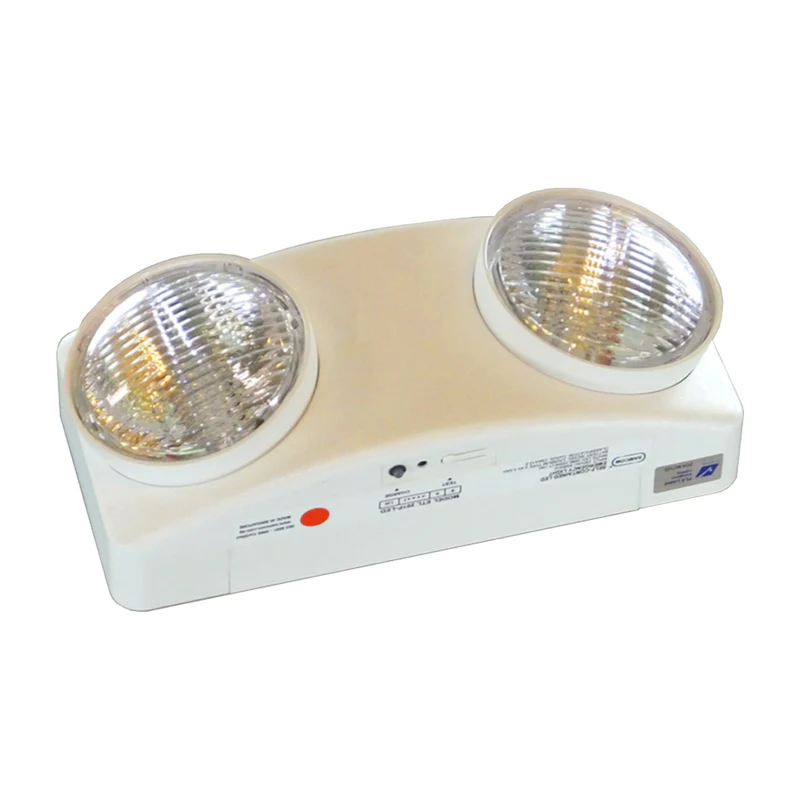
Every office design must prioritize direct and visible access to emergency exits. Signage should be placed at eye level and remain illuminated even during a power failure. Employees should never have to navigate complex mazes to find the nearest stairwell or exit door.
If you are looking for professional design solutions that prioritize safety, contact I-Weblogic via WhatsApp at +65 8782 7613 or email at info@i-weblogic.com. Our team specializes in integrating these vital safety features into your office renovation in Singapore. We ensure your office fit-out fire safety standards are fully compliant and optimized for maximum protection.
Fire Detection and Alarm Systems
Implementing a robust fire detection system is a critical step in your HDB office fit-out process. Early detection remains the most effective way to minimize property damage and protect lives in the workplace. By choosing the right technology, you ensure that your team has the best possible warning during an emergency.
Types of Fire Detection Systems
Modern offices utilize a variety of sensors to identify potential hazards before they escalate. Selecting the correct hardware depends on the specific layout and activities within your workspace.
- Smoke Detectors: These are essential for detecting smoldering fires early.
- Heat Sensors: Ideal for areas like kitchens or server rooms where smoke might be a false alarm.
- Multi-sensor Detectors: These combine heat and smoke data to provide highly accurate alerts.
Importance of Regular Maintenance
Even the most advanced equipment requires consistent care to remain functional. Regular testing ensures that every component is ready to perform when needed most.
Neglecting maintenance can lead to system failures or costly false alarms. Professional inspections help you stay compliant with local safety regulations while maintaining a secure environment for your employees.
Integration with Building Management Systems
Centralized monitoring is the hallmark of a modern, safe office. Integrating your fire alarms with building management platforms allows for real-time data tracking and faster emergency response times.
This level of connectivity is vital for any high-quality security system installation. If you are looking for expert guidance, reach out to I-Weblogic via WhatsApp at +65 8782 7613 or email at info@i-weblogic.com for advanced detection system installations. Ensuring your office is fully integrated provides peace of mind and superior protection for your business assets.
Fire Suppression Systems in Offices
Effective office fit-out fire safety is a critical pillar of any comprehensive workspace design. Beyond early detection, your facility must be equipped with active suppression tools to contain potential hazards before they escalate. These systems provide the necessary defense to protect both your employees and your physical assets.
Overview of Sprinkler Systems
Automatic sprinkler systems serve as the backbone of fire protection in modern commercial buildings. These systems activate automatically when they detect high temperatures, releasing water to suppress flames at the source. Proper installation ensures that water coverage is uniform across the entire office floor plan.
During an office fit-out, engineers must verify that the sprinkler heads are not obstructed by partitions or ceiling decorations. Maintaining clear zones around these devices is essential for their performance. A well-integrated system significantly reduces the risk of fire spreading throughout the building.
Types of Fire Extinguishers Needed
Portable fire extinguishers are vital for addressing small, localized fires before they grow. Selecting the correct type depends on the specific fire hazards present in your office, such as electrical equipment or paper documents.
- Water extinguishers: Best for solid combustibles like wood and paper.
- CO2 extinguishers: Ideal for electrical fires as they do not leave residue.
- Dry powder extinguishers: Versatile options for various fire classes.
Placement is just as important as the type of extinguisher chosen. You must ensure these units are mounted in highly visible, accessible locations throughout the office. Staff should be familiar with the location of these tools to ensure a quick response during an emergency.
Inspection and Maintenance Requirements
Regulatory standards in Singapore mandate that all fire suppression equipment undergoes regular testing. Neglecting these checks can lead to system failure when you need it most. Routine inspections ensure that pressure levels are correct and that all components remain in working order.
To ensure your suppression systems are fully compliant with local office fit-out fire safety regulations, professional oversight is necessary. You can contact I-Weblogic via WhatsApp at +65 8782 7613 or email at info@i-weblogic.com for expert suppression system maintenance. Proactive care is the best way to guarantee the safety and longevity of your fire protection infrastructure.
Emergency Escape Routes and Signage
When planning an office renovation Singapore, prioritizing the design of escape routes is a critical safety step. A well-planned layout ensures that every person can exit the building quickly and safely during an emergency. Clear pathways prevent panic and reduce the risk of injury during a building evacuation.
Designing Efficient Escape Routes
Efficient escape routes must remain free of obstructions at all times. You should avoid placing furniture, storage boxes, or decorative items in corridors that lead to emergency exits. Maintaining a clear width is essential to allow for the rapid movement of people toward safety.
Consider the following factors when mapping out your floor plan:
- Ensure paths lead directly to a protected staircase or an external exit.
- Keep the travel distance within the limits set by local fire safety codes.
- Design routes that are intuitive and easy to follow for visitors and staff.
Required Signage Specifications
Proper signage acts as a visual guide during low-visibility situations, such as smoke-filled environments. All exit signs must be highly visible and illuminated to ensure they remain functional during a power failure. You must place signs at every change of direction and above all exit doors.
Regulatory standards require that signs use specific colors and symbols to ensure universal understanding. Consistency is key to helping employees identify the quickest path to the assembly point. Regularly inspect these signs to ensure they are not obscured by office partitions or interior design elements.
Conducting Regular Escape Route Drills
Even the best-designed escape routes are ineffective if employees do not know how to use them. Conducting regular fire drills helps staff become familiar with the nearest exits and the designated assembly area. These exercises build muscle memory, which is vital for maintaining calm during a real emergency.
For expert advice on emergency planning and to ensure your office renovation Singapore meets all safety standards, contact I-Weblogic. You can reach our team via WhatsApp at +65 8782 7613 or email us at info@i-weblogic.com. We are here to help you optimize your office safety protocols and protect your most valuable assets.
Employee Fire Safety Training
Maintaining high standards of office compliance requires more than just hardware; it demands a well-prepared workforce. While automated systems provide essential protection, the human element remains the most critical factor during a crisis. Employees who understand their roles can significantly reduce the risk of injury and property damage.
Importance of Fire Safety Training
A well-trained team acts with confidence rather than panic when an alarm sounds. Regular training ensures that every staff member knows the exact location of emergency exits and assembly points. This preparation is a fundamental pillar of effective office compliance in any Singaporean workplace.
Types of Training Programs Available
Organizations should implement a variety of training formats to cater to different learning styles. These programs typically include hands-on practice and theoretical knowledge sessions. Common training modules include:
- Fire Extinguisher Workshops: Practical sessions on using various types of extinguishers.
- Evacuation Drills: Simulated scenarios to test the speed and efficiency of exit routes.
- Fire Warden Training: Specialized instruction for designated staff members to lead others.
Monitoring and Evaluating Training Effectiveness
To ensure long-term success, companies must regularly assess the knowledge retention of their staff. Feedback loops and post-drill evaluations help identify gaps in the current safety framework. By tracking performance metrics, management can refine their strategies to maintain consistent office compliance.
| Training Method | Primary Focus | Frequency |
|---|---|---|
| Evacuation Drills | Route Familiarity | Bi-annually |
| Extinguisher Use | Active Suppression | Annually |
| Fire Warden Briefing | Leadership & Coordination | Quarterly |
Developing a robust safety framework can be complex, but you do not have to navigate it alone. For expert guidance on tailoring your safety training programs, reach out to I-Weblogic via WhatsApp at +65 8782 7613 or email at info@i-weblogic.com today.
Legal Framework for Fire Safety Compliance
Understanding the regulatory framework is the first step toward achieving total office compliance. In Singapore, the government enforces strict rules to protect occupants and property from fire hazards.
Overview of Singapore’s Laws and Regulations
The primary legislation governing this area is the Fire Safety Act. This act mandates that all commercial premises must adhere to specific design and maintenance standards. Staying updated with these legal requirements is vital for any business operating within the city-state.
Regulatory bodies, such as the Singapore Civil Defence Force (SCDF), oversee the implementation of these safety protocols. They ensure that building owners and tenants maintain a high level of office compliance at all times.
Consequences of Non-Compliance
Ignoring fire safety regulations can lead to severe legal and financial repercussions. Businesses found in violation may face heavy fines or even mandatory operational shutdowns until the issues are resolved.
The following table outlines the potential risks associated with failing to meet safety standards:
| Risk Category | Potential Impact | Severity Level |
|---|---|---|
| Financial | Heavy regulatory fines | High |
| Operational | Business license suspension | Critical |
| Legal | Prosecution of management | High |
Role of Fire Safety Inspectors
Fire safety inspectors play a crucial role in maintaining public safety. They conduct regular audits to verify that your workspace meets all necessary fire protection criteria. These professionals have the authority to issue notices for any identified deficiencies.
To ensure your business remains compliant, contact I-Weblogic via WhatsApp at +65 8782 7613 or email at info@i-weblogic.com. Our team helps you navigate complex regulations to maintain office compliance and keep your operations running smoothly.
Fire Safety Equipment Maintenance
Proactive maintenance of fire safety gear is the backbone of a secure and compliant office environment. When equipment is neglected, the risk of failure during an emergency increases significantly. Consistent care ensures that every alarm, extinguisher, and sprinkler remains fully operational when needed most.
Schedule for Equipment Inspections
A rigorous inspection schedule is necessary to uphold safety standards in any commercial space. Most fire safety components require monthly, quarterly, and annual checks to ensure they meet the strict guidelines set by local authorities. Regular testing helps identify potential defects before they become critical issues.
Building managers should establish a clear calendar for these tasks. This schedule must cover visual inspections of fire extinguishers, testing of alarm sounders, and verification of emergency lighting functionality. Adhering to this timeline is a fundamental requirement for maintaining a safe workplace.
Documentation of Fire Safety Measures
Maintaining detailed records is just as important as the physical maintenance of the equipment. Official inspectors often request proof of compliance during site visits. Without organized documentation, proving that your office meets safety regulations becomes difficult and may lead to penalties.
Your records should include dates of service, the names of technicians, and detailed reports on any repairs performed. Keeping these logs in a centralized, digital, or physical file ensures that you are always prepared for an audit. Accurate record-keeping demonstrates a commitment to safety and legal accountability.
Importance of Professional Services
While basic checks can be performed in-house, complex systems require the expertise of certified professionals. Engaging experts for your security system installation and ongoing maintenance ensures that all components are calibrated correctly. Professionals possess the specialized tools and knowledge to handle intricate fire suppression and detection systems.
For reliable and professional maintenance services, contact I-Weblogic via WhatsApp at +65 8782 7613 or email at info@i-weblogic.com. Their team provides the technical support needed to keep your office compliant and secure. Relying on qualified service providers minimizes the risk of system downtime and enhances overall building safety.
| Equipment Type | Inspection Frequency | Key Maintenance Task |
|---|---|---|
| Fire Extinguishers | Monthly | Check pressure gauge and seal |
| Smoke Detectors | Quarterly | Test sensitivity and battery life |
| Emergency Lighting | Monthly | Verify illumination during power cut |
| Sprinkler Systems | Annually | Inspect heads and water flow |
Future Trends in Office Fire Safety Compliance
Modern office environments undergo rapid digital transformation to improve occupant protection. Emerging technologies now reshape how businesses approach fire prevention and emergency response.
Innovations in Fire Safety Technology
Advanced sensors and artificial intelligence provide real-time data on potential hazards. These tools allow for faster detection and precise location tracking during emergencies. Professional security system installation ensures these digital assets integrate seamlessly with existing infrastructure.
The Role of Smart Buildings in Fire Safety
Smart buildings utilize Internet of Things connectivity to automate safety protocols. Automated systems can unlock doors or adjust ventilation during a fire event. Investing in a high-quality security system installation creates a proactive defense layer for your workspace.
Adapting to Changing Regulatory Standards
Regulatory bodies in Singapore continue to update requirements to match new technological capabilities. Staying informed helps your business avoid penalties while maintaining a secure environment. For future-proof office solutions, contact I-Weblogic via WhatsApp at +65 8782 7613 or email at info@i-weblogic.com to discuss your specific needs.
FAQ
What are the primary fire safety requirements for an HDB office fit-out in Singapore?
An HDB office fit-out must strictly adhere to the Fire Safety Act and guidelines established by the Singapore Civil Defence Force (SCDF). This includes the installation of SCDF-approved fire alarms, smoke detectors, and ensuring that the layout allows for unobstructed emergency exits. For professional guidance on navigating these requirements, contact I-Weblogic via WhatsApp at +65 8782 7613 or email at info@i-weblogic.com.
How does a professional security system installation contribute to office compliance?
A professional security system installation involves more than just cameras; it integrates fire detection sensors with central building management systems. This ensures that in the event of an emergency, the system can automatically trigger alarms and notify the proper authorities, which is a key component of overall office compliance. Reach out to I-Weblogic at info@i-weblogic.com to secure your workspace.
Why is material selection critical during an office renovation in Singapore?
During an office renovation in Singapore, using fire-rated materials for partitions, ceilings, and flooring is essential to prevent the rapid spread of flames. The Building and Construction Authority (BCA) mandates these standards to protect occupants and minimize property damage. To ensure your materials meet all safety codes, contact I-Weblogic via WhatsApp at +65 8782 7613.
What are the legal consequences of failing to meet fire safety standards?
Non-compliance with fire safety regulations can lead to severe penalties, including heavy fines, court prosecution, or the forced closure of your business premises. Fire safety inspectors conduct regular checks to ensure all systems are operational. To keep your business legally protected, consult with I-Weblogic by emailing info@i-weblogic.com.
How often should fire suppression systems like sprinklers be inspected?
Fire suppression systems require a rigorous maintenance schedule, typically involving monthly visual checks and more comprehensive annual inspections by qualified professionals. Keeping detailed documentation of these services is vital for proving office compliance during audits. For expert maintenance services, contact I-Weblogic via WhatsApp at +65 8782 7613.
What is the importance of employee fire safety training in a modern office?
Even the most advanced security system installation is only effective if the workforce knows how to respond. Training programs educate employees on evacuation routes, the proper use of fire extinguishers, and emergency protocols, which significantly reduces the risk of injury during an incident. For help developing a safety training framework, contact I-Weblogic at info@i-weblogic.com.
How are smart building technologies changing office safety protocols?
Innovations such as IoT-enabled smoke detectors and smart sensors allow for real-time monitoring and faster response times than traditional systems. These technologies are becoming a standard part of a high-end HDB office fit-out, providing an extra layer of protection for tenants. Stay ahead of the curve by contacting I-Weblogic via WhatsApp at +65 8782 7613 for future-proof safety solutions.
What specific requirements must emergency escape routes and signage meet?
Emergency routes must be clearly marked with self-illuminated or phosphorescent signage that remains visible even during power outages. These routes must be designed to accommodate the maximum occupancy of the office without bottlenecks. For expert advice on escape route design, contact I-Weblogic via email at info@i-weblogic.com.