IP Phone vs. Traditional Digital Phone: Which System is Best for Your Office?
Selecting the right communication infrastructure is a critical decision for any growing business in Singapore. As companies expand, the need for reliable connectivity becomes the backbone of daily operations and long-term success.
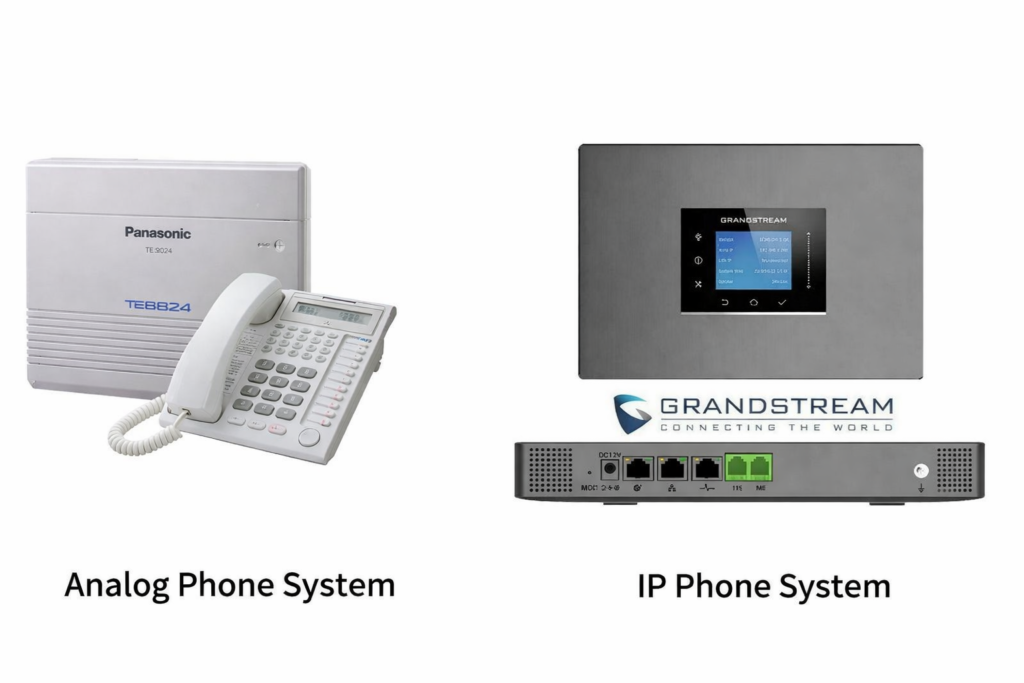
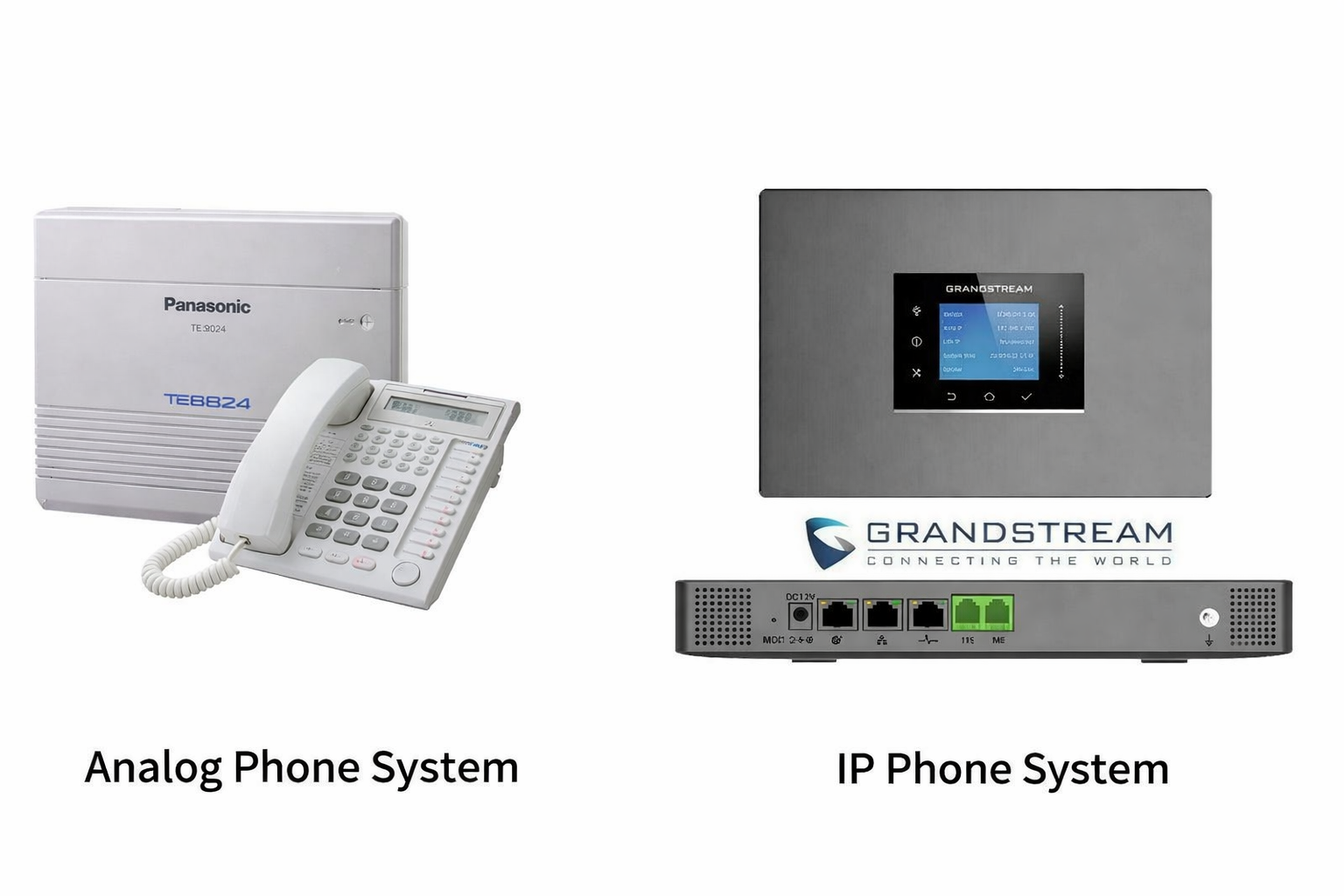
Many managers currently weigh the benefits of an IP phone vs digital phone setup to determine which technology better serves their team. While legacy hardware offers familiarity, modern solutions provide the flexibility required in today’s fast-paced corporate environment.
Choosing the correct system directly impacts your operational efficiency and overall scalability. Whether you are upgrading an existing workspace or launching a new office, expert guidance ensures your investment supports future growth.
For professional IT and office fit-out solutions, contact I-Weblogic in Singapore. You can reach our team via WhatsApp at +65 8782 7613 or email us at info@i-weblogic.com to discuss your specific infrastructure needs.
Key Takeaways
- Modern communication systems are essential for supporting business growth in Singapore.
- Legacy hardware often lacks the flexibility found in contemporary network-based solutions.
- Operational efficiency depends on selecting the right infrastructure for your office layout.
- Professional consultation helps avoid costly mistakes during office fit-outs.
- I-Weblogic provides expert support for businesses seeking reliable connectivity upgrades.
Introduction to IP Phones and Digital Phones
Modern office connectivity relies on two distinct technologies that handle voice signals in very different ways. Understanding these core differences is the first step toward optimizing your communication infrastructure. Whether you are upgrading your current setup or planning a new office fit-out, knowing how your hardware processes data is crucial for long-term success.
Definition of IP Phones
IP phone systems utilize Voice over Internet Protocol (VoIP) technology to transmit voice as digital data packets over a standard internet connection. Unlike older hardware, these devices convert your voice into compressed data that travels across your existing local area network (LAN). This approach allows for seamless integration with other digital tools, making these systems highly versatile for modern, fast-paced business environments.
Definition of Digital Phones
Traditional digital phones operate on a circuit-switched network, relying on proprietary wiring connected to a private branch exchange (PBX). These systems transmit voice signals as electrical pulses through dedicated lines, which are separate from your standard computer data network. While they offer high reliability and consistent audio quality, they lack the advanced multimedia features found in modern IP phone systems.
Choosing between these technologies depends on your specific office requirements and existing infrastructure. For professional IT and office fit-out solutions in Singapore, contact I-Weblogic via WhatsApp at +65 8782 7613 or email info@i-weblogic.com. Our team is ready to help you evaluate which system best supports your business goals.
Key Features of IP Phones
IP phone systems have revolutionized how teams connect and collaborate in a digital-first environment. These modern solutions offer a level of efficiency that traditional hardware simply cannot match in today’s fast-paced Singapore business landscape.
Voice over Internet Protocol (VoIP) Technology
At the heart of these systems lies VoIP technology, which converts voice signals into digital data packets. By utilizing the SIP ip phone standard, businesses can ensure seamless communication across various devices and networks. This process allows for high-quality audio transmission over existing internet connections.
Multimedia Capabilities
Modern telephony is no longer restricted to just voice calls. These platforms support multimedia integration, enabling video conferencing, instant messaging, and file sharing within a single interface. This convergence of tools helps teams stay productive regardless of their physical location.
Scalability and Flexibility
One of the greatest advantages of these systems is their ability to grow alongside your company. Adding new lines or users is a simple software-based task rather than a complex wiring project. This flexibility ensures that your infrastructure remains agile as your business needs evolve.
For professional IT and office fit-out solutions, contact I-Weblogic in Singapore via WhatsApp at +65 8782 7613 or email at info@i-weblogic.com. Our team can help you implement robust ip phone systems tailored to your specific operational requirements.
| Feature | IP Phone Capability | Business Benefit |
|---|---|---|
| Connectivity | Internet-based (VoIP) | Lower long-distance costs |
| Media Support | Voice, Video, Data | Enhanced collaboration |
| Scalability | High (Software-based) | Rapid office expansion |
| Integration | SIP Protocol | Unified communication |
Key Features of Digital Phones
While modern technology evolves, many firms still rely on the proven stability of digital phone systems. These devices function differently than newer alternatives, providing a distinct approach to managing daily business calls within a professional environment.
Standard Telephone Line Utilization
Digital phones operate primarily through dedicated, proprietary wiring connected to a private branch exchange (PBX). This setup ensures that your voice traffic remains separate from your data network.
By utilizing standard telephone lines, these systems avoid the congestion often found on shared internet connections. This physical separation provides a predictable path for every call made from your office.
Audio Quality and Reliability
One of the primary benefits of digital telephony is the consistent audio quality provided to users. Because these systems do not rely on packet-switched data, they rarely suffer from the jitter or latency issues that can plague internet-based calls.
Businesses in Singapore often choose this technology for its high uptime. You can expect a reliable connection that remains functional even during periods of heavy network traffic.
Limited Integration Capabilities
When compared to modern office communication systems, digital phones often present a more rigid structure. They typically lack the advanced software hooks required to sync seamlessly with CRM platforms or mobile applications.
This limitation means that your team might face challenges when trying to automate workflows or unify their communication tools. If you need help evaluating your current setup or determining if your hardware meets your needs, contact I-Weblogic in Singapore via WhatsApp at +65 8782 7613 or email at info@i-weblogic.com for professional advice.
Cost Comparison: IP Phones vs. Digital Phones
Understanding the true cost of ownership between modern IP systems and legacy digital hardware requires a careful look at your budget. While digital systems often feel familiar, the financial landscape of office communication has shifted significantly in recent years.
Initial Setup Costs
Deploying a grandstream ip phone system typically involves an upfront investment in network hardware and compatible handsets. Unlike legacy systems that rely on proprietary wiring, IP solutions leverage your existing data network to reduce cabling expenses.
Digital systems often require specialized installation of dedicated copper lines, which can lead to higher labor costs during the initial setup phase. Businesses must weigh these capital expenditures against the long-term flexibility provided by modern digital infrastructure.
Long-Term Operational Costs
Operational savings represent the most significant advantage for companies transitioning to IP telephony. By utilizing internet-based routing, businesses can drastically lower their monthly recurring charges compared to traditional PSTN lines.
“Efficiency in communication is not just about connectivity; it is about optimizing the financial resources that fuel your business growth.”
Scalability also plays a vital role in your bottom line. Adding new users to an IP system is often a software-based task, whereas digital systems may require physical hardware upgrades or additional line cards.
Maintenance Expenses
Maintaining a grandstream ip phone network is generally more cost-effective because it integrates with your existing IT management tools. You no longer need to hire specialized technicians to manage proprietary telephone hardware.
Legacy digital systems often carry hidden costs, such as finding parts for aging equipment or paying for specialized vendor support. The following table highlights the primary financial differences between these two systems:
| Cost Factor | IP Phone System | Digital Phone System |
|---|---|---|
| Hardware Investment | Moderate | High |
| Installation Labor | Low | High |
| Monthly Fees | Low | High |
For professional IT and office fit-out solutions, contact I-Weblogic in Singapore via WhatsApp at +65 8782 7613 or email at info@i-weblogic.com. We provide a customized cost-benefit analysis to ensure your office infrastructure meets your financial goals.
User Experience: IP Phones
User satisfaction often hinges on the intuitive design of modern office communication devices. When employees feel comfortable with their hardware, productivity levels naturally rise across the organization.
Interface and Ease of Use
Modern devices, such as the grandstream ip phone, prioritize a user-friendly interface that mimics the simplicity of a smartphone. These units often feature high-resolution color screens and clear menu navigation, which helps staff manage calls with minimal effort.
Efficiency is the primary goal of these interfaces. By reducing the number of button presses required to transfer or hold a call, businesses can streamline their daily operations significantly.
Additional Features and Customization
Beyond basic calling, these systems offer a wealth of advanced tools that improve workflow. Users can easily access shared directories, view call history, and manage voicemail directly from the device screen.
Customization allows teams to tailor their experience to specific roles. For instance, receptionists can program speed-dial keys for frequent contacts, while managers can set up automated call forwarding rules to ensure they never miss an important update.
User Support and Training Needs
While these devices are designed for ease of use, the transition to advanced features may require a brief learning period. Providing proper staff training ensures that your team maximizes the potential of their new grandstream ip phone equipment.
For professional IT and office fit-out solutions in Singapore, contact I-Weblogic via WhatsApp at +65 8782 7613 or email at info@i-weblogic.com. Our experts provide the necessary support and training to help your staff adapt quickly and effectively to new communication technologies.
User Experience: Digital Phones
For many teams, the tactile nature and predictable behavior of digital phones provide a sense of comfort that newer systems sometimes lack. These office communication systems have served businesses for decades, creating a standard of reliability that employees trust implicitly. Because the hardware is often dedicated to specific tasks, users rarely encounter unexpected software glitches during critical calls.
Simplicity and Familiarity
The primary advantage of these systems is their straightforward design. Most staff members already understand how to operate a standard handset, which eliminates the need for extensive training sessions. This ease of use ensures that daily operations continue without interruption, as the interface remains consistent and unchanging over time.
Customer Service and Support
Maintaining legacy hardware is often easier for companies that have long-standing relationships with local IT partners. If your firm requires assistance with existing office communication systems, professional support is readily available. For expert guidance on maintaining or upgrading your current setup, you can contact I-Weblogic in Singapore via WhatsApp at +65 8782 7613 or email at info@i-weblogic.com.
Limitations in Functionality
While these systems are reliable, they often struggle to keep pace with the demands of a modern, digital-first workplace. Users may find that their hardware lacks the advanced integration features found in newer alternatives. Common limitations include:
- Lack of mobility: Devices are typically tethered to a specific desk.
- Limited software integration: Difficulty syncing with CRM or cloud-based productivity tools.
- Restricted multimedia: Inability to handle video conferencing or advanced data sharing.
If these functional gaps are hindering your team’s productivity, it may be time to consider a transition. To discuss upgrading your legacy office communication systems, reach out to I-Weblogic at +65 8782 7613 or email info@i-weblogic.com for a professional consultation.
Network Requirements for IP Phones
Building a reliable communication environment starts with optimizing your local area network for voice traffic. When you transition to ip phone systems, the stability of your internet connection becomes the most vital factor for success. A well-structured network ensures that your team experiences clear, uninterrupted calls throughout the workday.
Bandwidth Considerations
Voice data requires consistent, dedicated bandwidth to maintain high audio fidelity. Unlike standard web browsing, voice packets are highly sensitive to delays and fluctuations in speed. If your network lacks sufficient capacity, you may encounter dropped calls or robotic-sounding audio during peak usage hours.
It is essential to calculate the total number of concurrent calls your office expects to handle. By assessing your peak traffic, you can ensure that your ip phone systems operate without congestion. For professional network assessment and infrastructure planning in Singapore, contact I-Weblogic via WhatsApp at +65 8782 7613 or email info@i-weblogic.com.
Quality of Service (QoS) Importance
Quality of Service, or QoS, acts as a traffic controller for your data packets. It prioritizes voice traffic over less time-sensitive data, such as file downloads or email synchronization. Without proper QoS settings, your voice traffic might compete with other network activities, leading to poor call quality.
“A robust network architecture is the silent foundation of every successful business communication strategy. Prioritizing voice traffic is not just a technical preference; it is a necessity for professional operations.”
Security Measures in IP Telephony
Protecting your voice traffic from unauthorized access is a critical component of modern IT management. Because these devices operate over the internet, they are susceptible to the same threats as other networked hardware. Implementing strong firewalls and encryption protocols helps safeguard your sensitive business conversations.
Regularly updating firmware and monitoring network logs will further harden your ip phone systems against potential vulnerabilities. Security should never be an afterthought when deploying new communication technology. If you need expert guidance on securing your office network, reach out to the team at I-Weblogic for tailored solutions.
| Requirement | Function | Impact on Performance |
|---|---|---|
| Bandwidth | Data capacity | Prevents call drops |
| QoS | Traffic priority | Ensures audio clarity |
| Encryption | Data security | Protects private calls |
| Firewall | Threat defense | Blocks unauthorized access |
Network Requirements for Digital Phones
The backbone of digital telephony rests on established infrastructure that functions independently of your data network. While many modern office communication systems rely on internet connectivity, digital phones utilize a distinct physical path to ensure consistent performance.
Dependency on PSTN Infrastructure
Digital phones operate through the Public Switched Telephone Network (PSTN). This legacy infrastructure provides a dedicated circuit for every call, which ensures that voice traffic does not compete with your office internet bandwidth.
Reliability of Phone Lines
Because these systems do not share resources with your local area network, they offer exceptional stability. Dedicated lines mean that your voice quality remains consistent even during periods of high data traffic. Reliability is the hallmark of this traditional technology.
“Simplicity is the ultimate sophistication in engineering, especially when it comes to maintaining clear and constant lines of communication.”
Limited Network Vulnerabilities
Digital systems are largely immune to common cyber threats that plague internet-connected hardware. Since they operate outside the standard data environment, they present a smaller attack surface for your office communication systems. This isolation provides a layer of inherent security that many businesses still value today.
If you require professional IT and office fit-out solutions in Singapore, please contact I-Weblogic via WhatsApp at +65 8782 7613 or email info@i-weblogic.com for expert guidance on your infrastructure needs.
Compatibility with Existing Systems
Successful office upgrades often hinge on the compatibility of new communication devices with established systems. When businesses decide to modernize their infrastructure, they must evaluate how new hardware interacts with existing network protocols. A smooth transition requires careful planning to avoid service disruptions.
Integrating IP Phones into Current IT Infrastructure
Modernizing your office often involves deploying a sip ip phone to leverage advanced network capabilities. These devices utilize standard protocols, making them highly adaptable to most contemporary IT environments in Singapore. By connecting through your existing data network, these phones reduce the need for separate, dedicated cabling.
Seamless integration is a primary benefit of choosing modern standards over proprietary alternatives. For professional IT and office fit-out solutions, contact I-Weblogic in Singapore via WhatsApp at +65 8782 7613 or email at info@i-weblogic.com. Their team ensures that your new hardware aligns perfectly with your current software platforms.
Compatibility Issues with Digital Phones
Bridging the gap between legacy digital hardware and modern software platforms often presents significant technical hurdles. Digital systems frequently rely on proprietary wiring and specific PBX hardware that does not communicate well with modern cloud-based tools. This lack of interoperability can create silos within your communication strategy.
Attempting to force a connection between a sip ip phone and an aging digital system often requires expensive gateways or adapters. These extra components increase maintenance complexity and potential points of failure. Businesses should carefully weigh these integration costs against the benefits of upgrading to a fully digital environment.
| Feature | IP Phone System | Digital Phone System |
|---|---|---|
| Network Protocol | Standard SIP/VoIP | Proprietary/PSTN |
| Cabling Needs | Shared Data Network | Dedicated Wiring |
| Integration Ease | High Compatibility | Low Compatibility |
| Scalability | Highly Flexible | Limited by Hardware |
Business Use Cases
Selecting the right communication infrastructure is a critical decision for any growing business in Singapore. The choice between modern digital systems and traditional setups depends heavily on your specific operational requirements and future growth plans.
When to Choose IP Phones
Businesses that prioritize flexibility and remote collaboration should lean toward IP-based solutions. A Grandstream IP phone offers advanced features like video conferencing and seamless integration with cloud-based software, which are essential for modern, distributed teams.
These systems are ideal for companies that expect to scale rapidly. Because they operate over your existing data network, adding new lines is often as simple as plugging in a new device.
When to Choose Digital Phones
Traditional digital systems remain a reliable choice for organizations that demand absolute audio consistency and do not require complex data features. If your office relies on a stable, closed environment where internet fluctuations could disrupt critical workflows, these systems provide a proven, robust alternative.
“The most effective communication strategy is one that aligns perfectly with your team’s daily workflow rather than just following the latest technological trends.”
Industry-specific Considerations
Different sectors have unique needs that dictate the best hardware choice. For instance, a retail store might benefit from the simplicity of digital lines, while a tech-forward firm in Singapore would likely prefer a Grandstream IP phone to support its digital transformation.
For professional IT and office fit-out solutions, contact I-Weblogic in Singapore via WhatsApp at +65 8782 7613 or email at info@i-weblogic.com. We provide tailored recommendations to ensure your infrastructure supports your specific business goals.
| Business Need | Recommended System | Primary Benefit |
|---|---|---|
| Remote Work | IP Phone | Location Independence |
| High Security | Digital Phone | Isolated Network |
| Rapid Scaling | IP Phone | Easy Deployment |
| Legacy Stability | Digital Phone | Proven Reliability |
Future Trends in Office Telephony
The landscape of office communication is shifting rapidly toward digital transformation. Businesses across Singapore are moving away from rigid hardware to embrace more agile, software-driven solutions. This transition is essential for companies that want to remain competitive in a global market.
Advancements in IP Phone Technology
The core of this evolution lies in the sip ip phone, which continues to gain intelligence through cloud integration. Modern devices now support high-definition audio, video conferencing, and seamless synchronization with mobile applications. These tools allow employees to stay connected regardless of their physical location.
Artificial intelligence is also beginning to play a larger role in call management. Features like automated transcription and real-time language translation are becoming standard in advanced systems. These innovative capabilities significantly improve productivity for international teams.
Outlook for Digital Phones
Traditional digital systems are increasingly viewed as legacy technology. While they offer high reliability, they lack the flexibility required by modern, remote-friendly work environments. Most organizations are now choosing to phase out these systems in favor of more scalable alternatives.
New installations of digital hardware are becoming rare in fast-growing sectors. Companies that rely on older infrastructure often face higher costs when trying to integrate modern software features. Consequently, the market for these devices is shrinking as businesses prioritize future-proof solutions.
The Role of Hybrid Systems
Hybrid systems serve as a bridge for companies not yet ready for a full transition. By combining a sip ip phone network with existing digital lines, businesses can protect their initial investment while slowly upgrading their capabilities. This approach minimizes disruption during the migration process.
For professional IT and office fit-out solutions, contact I-Weblogic in Singapore via WhatsApp at +65 8782 7613 or email at info@i-weblogic.com. Our team helps you navigate these complex transitions to ensure your office remains efficient. Planning for the future is the best way to avoid technical debt.
| Technology Type | Primary Benefit | Future Outlook |
|---|---|---|
| SIP IP Phone | High Scalability | Dominant Standard |
| Digital Phone | High Reliability | Phasing Out |
| Hybrid System | Smooth Transition | Bridge Solution |
Conclusion: Making the Right Choice for Your Office
Choosing the best office communication system requires a clear look at your business goals and technical needs. The debate regarding an IP phone vs digital phone centers on balancing modern features with proven reliability.
Your decision impacts daily operations and long-term growth. Evaluating your current network capacity and budget helps determine which path supports your team best.
Essential Factors for Your Decision
Modern businesses often favor the flexibility of internet-based systems. Traditional setups offer stability for companies with specific, unchanging requirements. Weighing the pros and cons of an IP phone vs digital phone ensures your office remains connected and efficient.
Expert Support for Your Office
Professional guidance simplifies the transition to a new telephony system. I-Weblogic provides expert IT and office fit-out solutions tailored to your specific needs in Singapore.
Reach out to the team at I-Weblogic via WhatsApp at +65 8782 7613. You can send your inquiries to info@i-weblogic.com to start your upgrade today.
FAQ
What is the primary difference between IP phone systems and traditional digital phones?
The fundamental difference lies in how voice signals are transmitted. IP phone systems convert voice into data packets and transmit them over the internet or a local area network using VoIP technology. In contrast, traditional digital phones rely on proprietary wiring and physical hardware connected to a PBX system. For a detailed assessment of which infrastructure suits your business, contact I-Weblogic in Singapore via WhatsApp at +65 8782 7613 or email info@i-weblogic.com.
Why should my business consider a SIP IP phone for its daily operations?
A sip ip phone utilizes the Session Initiation Protocol to manage multimedia communication, including voice, video, and instant messaging. These systems offer superior scalability and flexibility, allowing businesses to add new lines without expensive rewiring. If you are looking to modernize your office communication systems, reach out to the experts at I-Weblogic at info@i-weblogic.com for a customized consultation.
Are there specific advantages to choosing a Grandstream IP phone for my team?
Yes, a Grandstream IP phone is renowned for its intuitive interface, high-definition audio quality, and seamless integration with various office communication systems. These devices often include advanced features like programmable keys and built-in security encryption. To explore the full range of Grandstream hardware for your office fit-out, contact I-Weblogic via WhatsApp at +65 8782 7613.
What kind of network infrastructure is required to support modern IP phone systems?
To ensure high-quality voice calls, your network must have adequate bandwidth and properly configured Quality of Service (QoS) settings to prioritize voice traffic over standard data. Unlike digital phones that depend on the PSTN, IP-based systems require a robust internet connection. I-Weblogic can help you evaluate your current network readiness; email them at info@i-weblogic.com to get started.
Are traditional digital phones more reliable than modern IP-based solutions?
Digital phones are often praised for their reliability because they operate on dedicated lines that remain functional even during power outages or internet disruptions. However, they lack the multimedia capabilities and remote work flexibility of a sip ip phone. For professional advice on balancing reliability with modern features, contact I-Weblogic in Singapore at +65 8782 7613.
How do the long-term operational costs compare between IP and digital systems?
While the initial setup for hardware like a Grandstream IP phone may require an upfront investment in network gear, the long-term operational costs are typically lower due to reduced long-distance charges and simplified maintenance. Digital systems often involve higher costs for physical moves, adds, and changes. For a comprehensive cost-benefit analysis, reach out to I-Weblogic at info@i-weblogic.com.
Can I integrate new IP phones into my existing office IT infrastructure?
Generally, yes. Modern ip phone systems are designed to integrate smoothly with existing data networks and software platforms, such as CRM systems and email. However, bridging legacy digital hardware with new software can present compatibility issues. To ensure a seamless transition for your office communication systems, contact I-Weblogic via WhatsApp at +65 8782 7613 for professional integration services.