A lost access card is more than an inconvenience. It can create a security gap, trigger replacement costs, and leave facilities teams unsure who still has permission to enter a restricted area. Biometric access addresses that problem by verifying the person at the door, not only the credential they carry.
For offices, schools, retail sites, warehouses, and multi-location businesses, this can provide a more accountable approach to physical security. The right system reduces dependence on keys and cards while giving authorized staff a fast, practical way to enter the spaces they need.
What biometric access means for a business
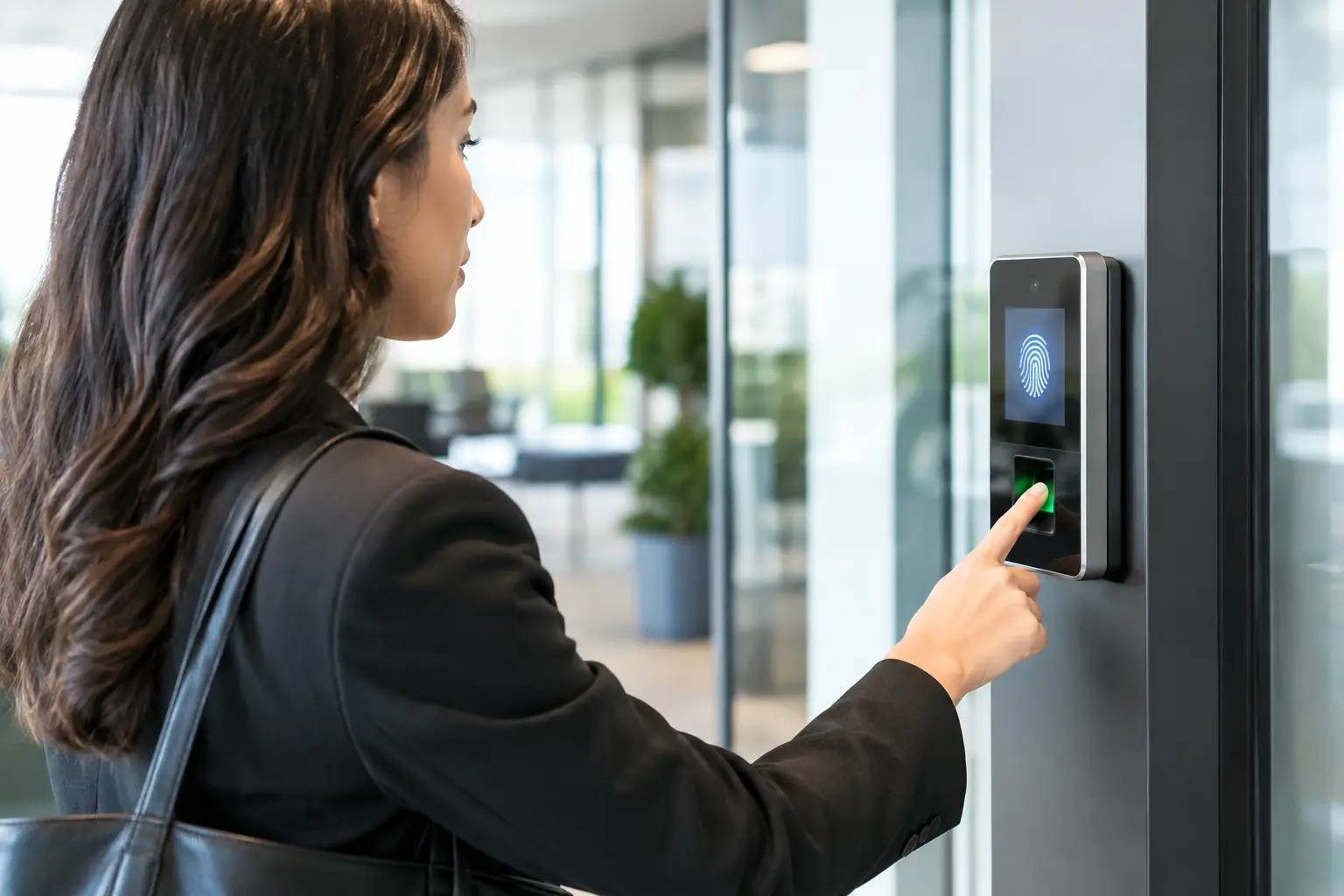
Biometric access control uses a physical or behavioral characteristic to verify identity. Fingerprint recognition is widely used, while facial recognition, iris recognition, palm vein scanning, and hand geometry may be selected for particular operational needs. The reader compares a live scan against an approved biometric template before granting or denying entry.
The distinction matters. A key can be copied, a card can be loaned, and a PIN can be shared. A biometric factor is tied more directly to the individual. That does not make it the right answer for every door or every workforce, but it can significantly improve accountability where identity verification matters most.
A well-designed installation is not simply a reader mounted beside a door. It includes the door hardware, power supply, controller, network connection, access rules, audit records, emergency release requirements, and the procedures used by managers and employees. If any of these elements are treated as an afterthought, the system may become difficult to operate or unreliable during a busy workday.
Where biometric access delivers the most value
Biometrics are most useful when a business needs confidence about exactly who entered a location. This often applies to server rooms, finance offices, research areas, medication storage, executive suites, laboratories, stockrooms, and high-value inventory areas.
For a corporate office, a fingerprint or facial reader can replace shared keys for sensitive rooms while retaining card access for general entrances. In an education environment, it can restrict staff-only spaces and record entries after hours. Retail and warehouse operators can use it to secure back-of-house areas, cash offices, or controlled inventory zones across multiple locations.
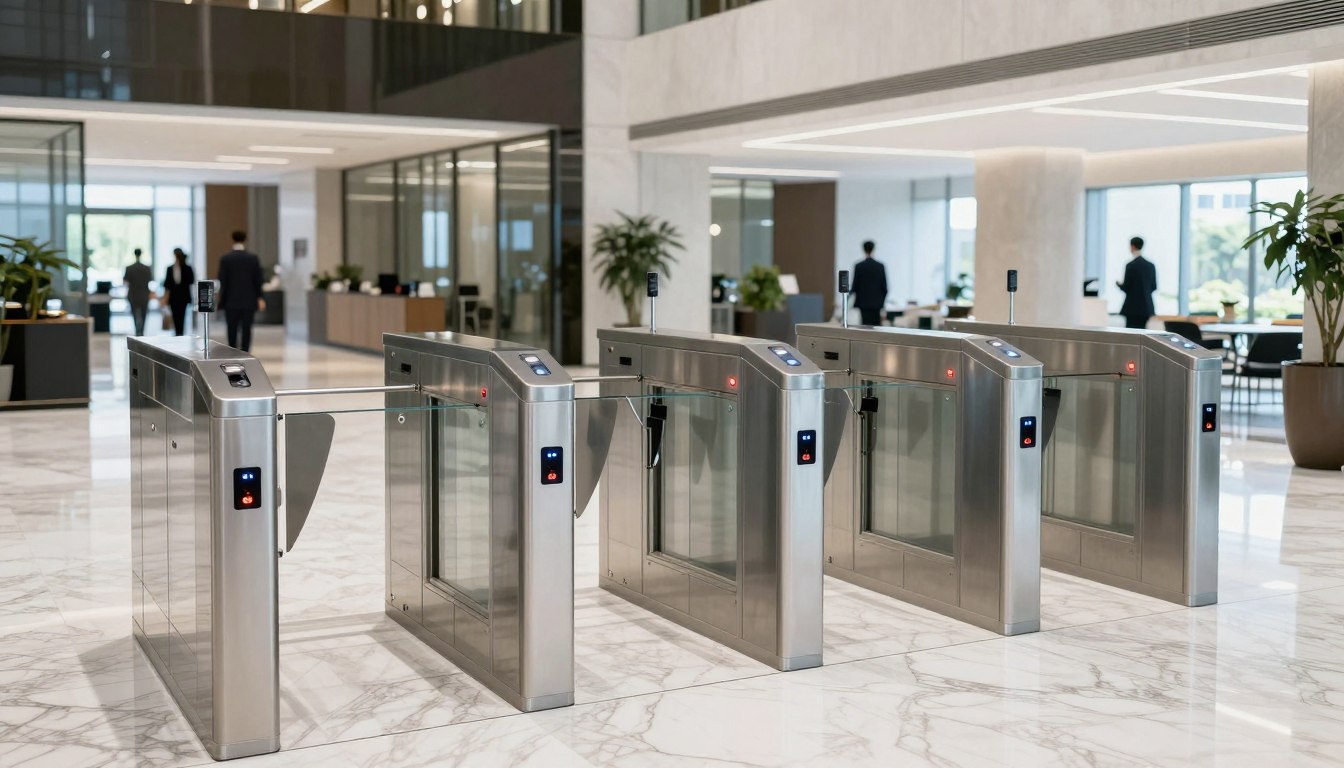
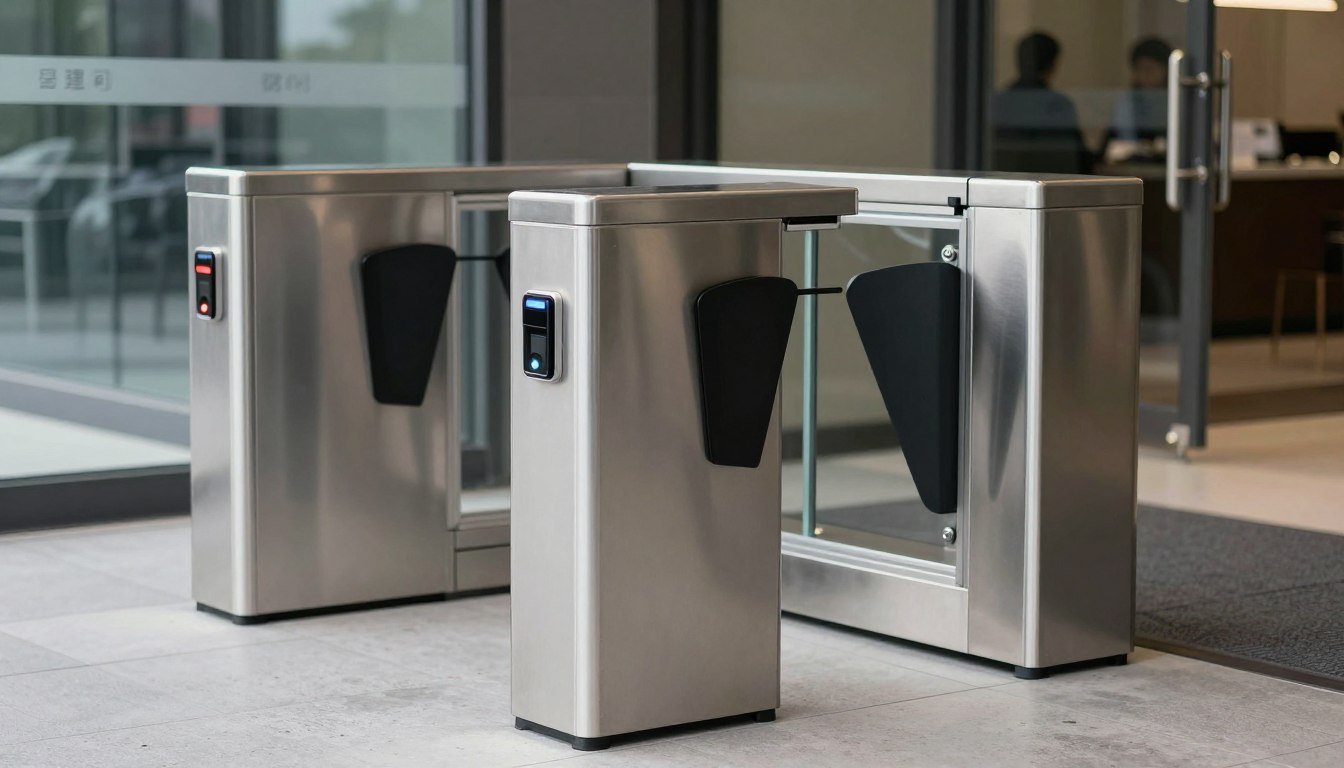
The operational benefits extend beyond the door itself. Access logs can help managers investigate incidents, confirm contractor attendance, or review after-hours activity. When integrated with turnstiles, CCTV, and visitor management procedures, biometric authentication can contribute to a more complete security process rather than functioning as an isolated device.
There is also an administrative advantage. When an employee leaves, a manager can remove their permission from the system without collecting keys or wondering whether duplicate cards remain in circulation. For organizations with frequent staffing changes, temporary workers, or multiple shifts, this can reduce a persistent source of access-control risk.
Choosing the right biometric method
The best biometric technology depends on the environment, user volume, hygiene expectations, entry speed, and level of security required. There is no single reader that fits every site.
Fingerprint readers are familiar, cost-effective, and well suited to many controlled indoor doors. However, performance can be affected by dirty hands, gloves, worn fingerprints, or heavy industrial conditions. They are often a strong option for offices and staff-only areas where users can enroll properly and present a finger consistently.
Facial recognition can offer touch-free entry and may be more convenient at busy entrances or turnstiles. It requires careful camera placement, suitable lighting, and a clear consideration of privacy expectations. Businesses should also evaluate how the system performs with glasses, masks, headwear, and changing light conditions before standardizing on this method.
Palm vein and iris technologies are generally used where higher assurance or specialized operating conditions justify the investment. These solutions can be appropriate for sensitive facilities, but they should be selected based on a clear risk assessment rather than the appeal of advanced technology.
In many cases, the most practical design combines biometrics with another factor. A card plus fingerprint verification may be appropriate for a data center or restricted storage area. For a main office entrance, a mobile credential or card may remain the faster choice, with biometrics reserved for internal high-security doors. Security should support work, not create unnecessary queues at every entry point.
Privacy, consent, and employee confidence
Biometric data requires more care than ordinary access card numbers. A business should understand what information the system stores, where it is stored, who can administer it, how long it is retained, and how it will be deleted when no longer required.
Many systems do not store a raw fingerprint image. Instead, they create an encrypted mathematical template used for matching. That is an important technical distinction, but it does not remove the need for clear policies and appropriate safeguards. Biometric information is sensitive, and employees should not be left guessing how it will be used.
Before deployment, organizations should review applicable privacy, employment, and data-protection requirements with qualified legal and compliance advisors. They should also establish an enrollment process, define access to reports and templates, and provide an alternative procedure for employees who cannot use the selected biometric method reliably.
Clear communication builds acceptance. Explain the business purpose, identify the areas covered, state who manages the records, and provide a path for questions or exceptions. When teams see that the system is intended to protect people and operations, not create unnecessary surveillance, adoption is usually more straightforward.
Design biometric access as part of the wider system
A biometric reader is only one layer of a physical security environment. Its value increases when it is planned alongside cabling, network capacity, door hardware, cameras, alarms, intercoms, and emergency procedures.
For example, a reader at a secure door needs dependable structured cabling or network connectivity, correctly specified locks, and backup power considerations. If the system is networked, IT teams should determine how controllers and readers will be segmented, monitored, and protected. A poorly planned network connection can turn a security upgrade into an avoidable support issue.
Integration also improves incident response. A forced-door alert can bring up the relevant camera view. A denied entry event can be reviewed with time-stamped video. A turnstile can be configured to admit one verified individual at a time. These connections provide better context than access logs alone.
This is where an integrated implementation approach is valuable. During an office move, expansion, or security refresh, coordinating cabling, networking, access control, and CCTV under one project plan can reduce handoffs between contractors and help prevent costly rework after walls and ceilings are complete.
Plan deployment around daily operations
Successful biometric access projects begin with a site and workflow assessment. Identify which doors require stronger identity assurance, how many users will enroll, when peak entry periods occur, and what happens if a reader is unavailable. A reception entrance with hundreds of arrivals at 9:00 a.m. has different requirements from a small records room used by ten staff members.
Enrollment should be treated as a managed process, not an administrative detail. Templates need to be captured accurately, users need brief guidance on how to present their fingerprint or face, and exceptions need to be documented. A rushed enrollment day can lead to false rejections and poor employee confidence later.
Business continuity also deserves attention. Determine whether doors should fail safe or fail secure during power loss, how emergency egress will function, and whether approved staff can use an alternate credential if the biometric reader is offline. Local fire and life-safety requirements must always take priority over access restrictions.
Finally, assign ownership. Facilities may manage doors and schedules, IT may support network connectivity and cybersecurity, while HR or security may approve user access. Defining these responsibilities early helps keep permissions current and ensures issues are resolved quickly.
A practical investment, not a standalone gadget
Biometric access is most effective when it solves a defined business problem: uncontrolled keys, weak audit trails, sensitive rooms, high staff turnover, or the need for stronger verification at critical entry points. It should be measured against operational needs, privacy obligations, and the full cost of installation and ongoing support.
The best outcome is not the most complex system. It is a dependable access-control environment that gives the right people timely entry, gives managers clear oversight, and fits naturally into the way the organization operates. Start with the doors where identity matters most, build the supporting infrastructure correctly, and expand only when the business case is clear.