A finance team should not share the same network access as guest Wi-Fi users. A CCTV camera should not have a clear path to payroll systems. And a compromised visitor device should not be able to affect the wireless network used by staff. Network segmentation addresses these practical risks by dividing one business network into controlled zones, each with only the access it needs.
For growing organizations, this is not simply a cybersecurity exercise. It is a way to protect uptime, improve network performance, and make offices, retail locations, schools, and multi-site operations easier to manage. When cabling, switches, wireless access points, firewalls, CCTV, IP telephony, and access-control systems are all part of the environment, clear separation becomes a core part of reliable infrastructure design.
What Network Segmentation Solves for Businesses
Many business networks begin as a single flat environment. Devices are connected as needs arise: staff laptops, printers, meeting room systems, phones, cameras, visitor Wi-Fi, and cloud-connected equipment. This can work in a small office at first, but it becomes harder to control as the organization adds users, devices, and locations.
In a flat network, a device that is infected, misconfigured, or improperly accessed can potentially communicate with far more systems than it should. The result may be a wider security incident, slower troubleshooting, or disruption to business-critical services. A network outage caused by a faulty device can affect teams that have no connection to the original issue.
Segmentation creates boundaries. Staff devices can be placed in one network zone, servers and business applications in another, and guest devices in a separate internet-only zone. Cameras, door controllers, biometric readers, and other operational technology can also be isolated from general office traffic. Rules between these zones determine what communication is allowed.
The commercial value is straightforward: fewer unnecessary connections mean a smaller attack surface and a more predictable environment. It also gives IT teams clearer visibility when investigating a problem. Rather than searching across every connected device, they can focus on the affected network segment and its defined policies.
Network Segmentation Is More Than VLANs
Virtual LANs, commonly called VLANs, are an important building block for network segmentation. They allow a managed switch and wireless infrastructure to logically separate devices even when they use the same physical cabling. For example, an employee computer connected at a desk and an IP phone at that same desk can be assigned to different VLANs.
However, VLANs alone do not provide complete protection. The real control comes from how traffic moves between segments. A firewall, Layer 3 switch, or security gateway must enforce rules that permit necessary traffic and block everything else.
A camera network may need to communicate with a video recording system and authorized monitoring workstations, but it should not need access to every employee laptop. A guest Wi-Fi network should reach the internet but not internal file servers. An access-control system may need to connect to its management platform, while remaining isolated from day-to-day user traffic.
This is where careful design matters. Overly open rules reduce the benefit of segmentation. Overly restrictive rules can interrupt printing, voice calls, building systems, or legitimate workflows. The right approach is based on how people and systems actually operate, not on a generic template.
Common segments in a business environment
The exact design depends on the organization, but a well-planned network commonly separates corporate users, guest wireless users, servers and core applications, voice systems, and physical security devices. Larger environments may also separate finance, operations, development, point-of-sale systems, third-party vendors, or individual sites.
These divisions are not intended to create unnecessary complexity. They establish sensible operating boundaries. A retail branch may need point-of-sale devices, staff systems, and surveillance equipment to remain separate. An education environment may need different policies for faculty, students, guests, and administrative systems. A corporate office may prioritize separation between general staff, executive systems, meeting-room technology, and building security.
How to Plan Network Segmentation Properly
Successful segmentation begins with an understanding of the business environment. Before creating VLANs or firewall rules, identify the devices, systems, users, and locations that rely on the network. This includes assets that are often overlooked, such as printers, conference room controllers, wireless presentation systems, door access panels, and internet-connected appliances.
The next step is to map legitimate communication. Which systems need to talk to one another? Which users need access to which applications? Which devices only require internet access? These questions prevent an all-or-nothing setup where every segment is either fully open or completely blocked.
A practical design often follows the principle of least privilege. Permit only the connections needed for a service to work, then review exceptions carefully. For instance, authorized facilities staff may need to access camera management systems, but visitor devices do not. An accounting application may need a connection to a database server, while general office devices do not need direct database access.
Documentation should be part of the project, not an afterthought. Network diagrams, IP address plans, VLAN assignments, switch port configurations, wireless SSIDs, and firewall policies help future IT teams support the environment without guesswork. This becomes especially valuable during office relocation, expansion, audits, equipment replacement, or incident response.
Design for daily operations, not just security policy
A technically secure design that is difficult to operate will eventually be bypassed. Staff may connect unauthorized devices, request overly broad access, or avoid using systems that slow down their work. The best segmentation design protects the business while remaining practical for users and administrators.
This means considering operational details early. Can the IT team identify the owner of a device? Are guest users receiving an appropriate wireless experience without seeing internal resources? Will the reception team, security personnel, and facilities team have the access they need? Can a new branch be deployed using the same standards without rebuilding the architecture from scratch?
For multi-site organizations, consistent policies are particularly useful. A branch office does not necessarily need the same network size as headquarters, but it should follow the same core logic for guest access, staff connectivity, voice, surveillance, and secure connections to shared systems. Standardization reduces deployment time and lowers the risk of configuration drift between locations.
Infrastructure Decisions Affect Segmentation Results
Network segmentation depends on the underlying infrastructure being suitable for the job. Managed switches, business-grade wireless access points, properly configured firewalls, and structured cabling all play a role. Unmanaged switches, aging equipment, or poorly labeled cabling can make it difficult to maintain separation and troubleshoot issues later.
Wireless design also deserves close attention. Separate SSIDs can support different user groups, but they must be mapped to the correct network segments and security policies. A guest SSID that is accidentally connected to the corporate network defeats its purpose. Capacity planning matters as well, especially in offices with dense Wi-Fi use, classrooms, retail sites, or meeting spaces with many mobile devices.
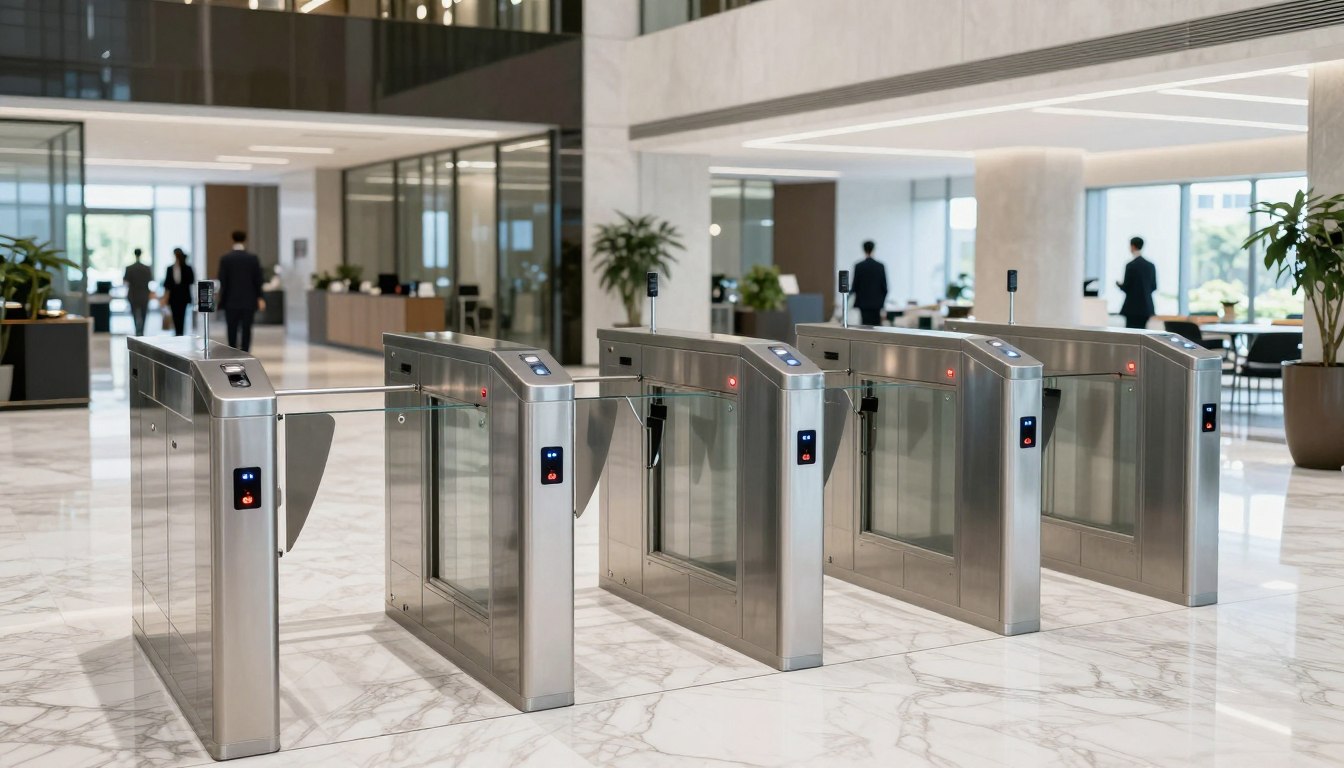
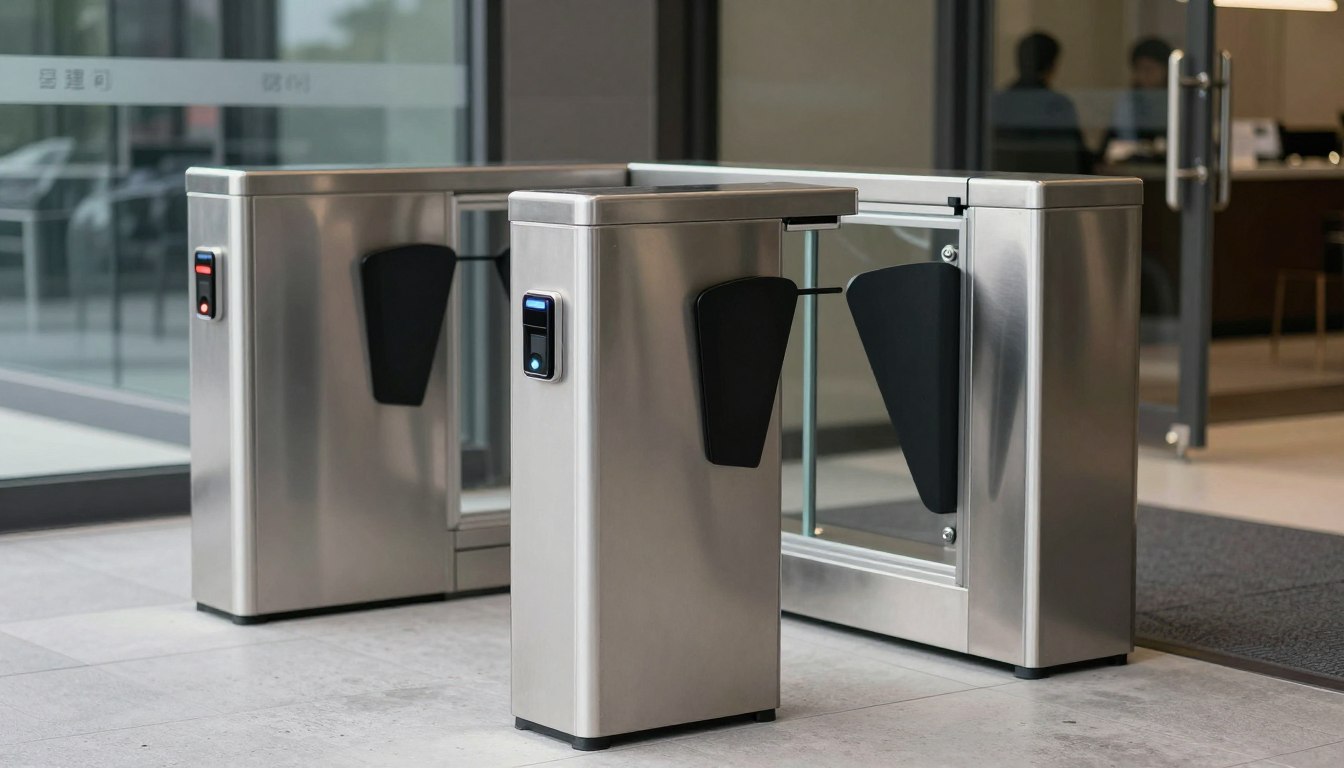
Physical security systems should be included in the network design from the start. CCTV cameras, network video recorders, biometric readers, turnstiles, and keyless entry controllers are business-critical devices with different traffic patterns and risk profiles from staff computers. Isolating them helps protect confidential footage and access data while preventing operational technology issues from disrupting office productivity.
I-Weblogic approaches these environments as connected business systems rather than separate cabling, networking, and security projects. Coordinating the physical layer with switching, wireless coverage, firewall policy, and security-device requirements helps reduce rework and supports a cleaner handover when the installation is complete.
Avoiding Common Segmentation Mistakes
One common mistake is treating segmentation as a one-time configuration task. Networks change when new staff join, applications move to the cloud, cameras are added, offices relocate, or vendors require temporary access. Policies should be reviewed regularly so they continue to reflect the organization’s actual requirements.
Another mistake is allowing broad communication between segments “for convenience” during deployment and never tightening the rules afterward. Temporary access can become permanent exposure. A controlled implementation plan should test required services, document approved exceptions, and remove unnecessary rules once validation is complete.
It is also risky to assume every connected device is trustworthy. Printers, cameras, phones, and IoT equipment can be overlooked because they are not traditional computers. They still require secure credentials, software updates where available, and placement in an appropriate segment.
Finally, avoid designing too many segments without a clear purpose. More separation is not automatically better. Each segment introduces configuration, monitoring, and support requirements. The right level of detail depends on company size, regulatory obligations, risk tolerance, device types, and the capability of the team maintaining the network.
A well-segmented network gives a business room to expand without turning every new device, new office, or new security system into an unknown risk. Start with the systems that matter most, define how they should communicate, and build the structure that lets your operations grow with confidence.